Build Your Own Power Generating Anaerobic Digester
Anaerobic Digestion Basics
Digestion Without Air
Anaerobic digestion is a natural process where microorganisms break down organic matter in an environment without oxygen. Think of it as composting, but sealed off from the air. It's happening all the time in places like swamps, the deep ocean, and even in the digestive systems of animals like cows.
In a controlled setting, we can harness this process. We feed organic materials like food scraps, manure, or agricultural waste into a sealed container called a digester. Inside, a community of microbes gets to work, breaking down this material and producing two main outputs: biogas and a nutrient-rich solid called digestate.
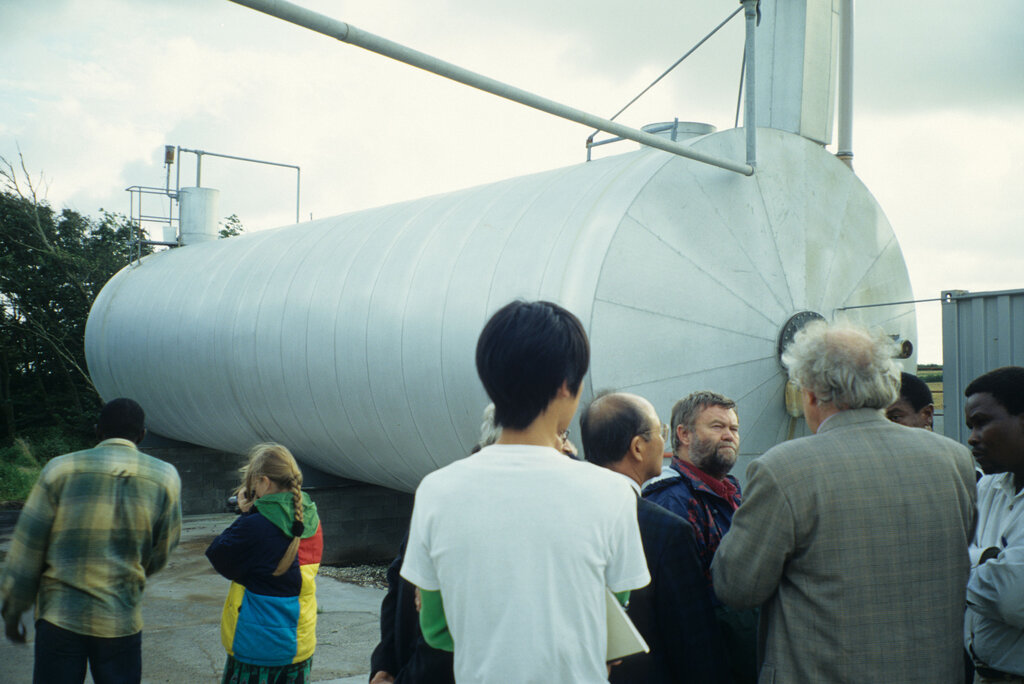
Biogas is a mixture of gases that can be burned as fuel, while digestate can be used as a high-quality fertilizer. This makes anaerobic digestion a powerful tool for turning waste into valuable resources.
A Four-Step Process
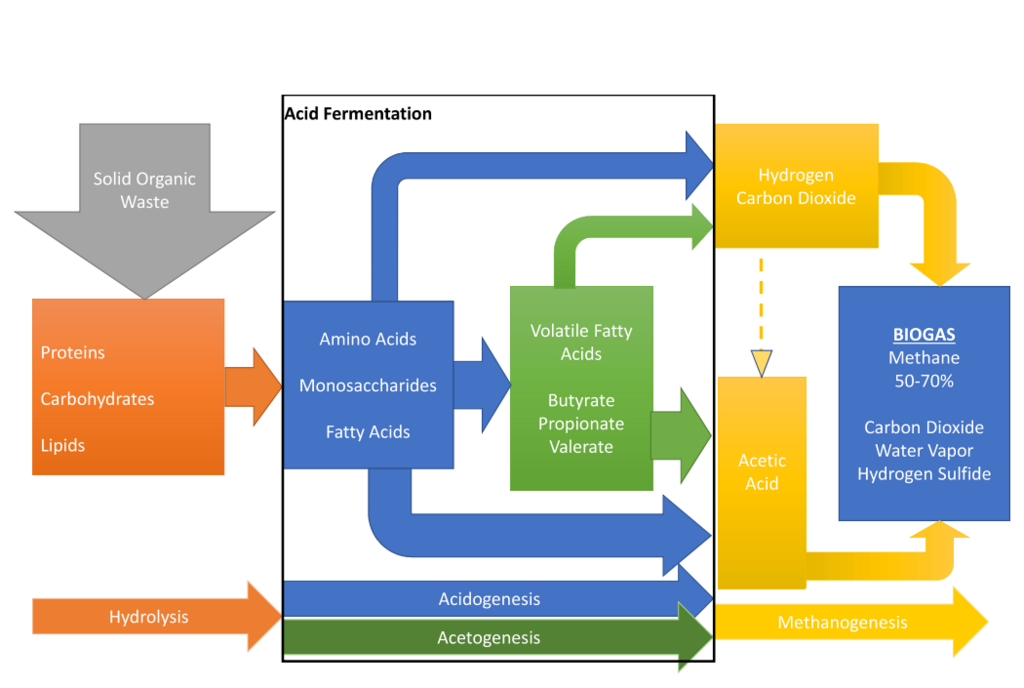
Anaerobic digestion isn't a single event. It's a complex chain of reactions carried out by different groups of microorganisms, each with a specific job. The process unfolds in four distinct stages.
- Hydrolysis: First, bacteria break down large, complex organic molecules like proteins, fats, and carbohydrates into smaller, simpler ones like amino acids, fatty acids, and sugars. It's like chopping up big chunks of food into bite-sized pieces.
- Acidogenesis: In the next stage, another group of bacteria takes these simple molecules and ferments them, producing volatile fatty acids, along with ammonia, carbon dioxide, and hydrogen sulfide.
- Acetogenesis: The volatile fatty acids are then consumed by bacteria that produce acetic acid, hydrogen, and more carbon dioxide. This step sets the stage for the grand finale.
- Methanogenesis: Finally, a different type of microorganism, called archaea, takes over. These methanogens consume the acetic acid, hydrogen, and carbon dioxide to produce methane, the primary component of biogas.
Each step relies on the one before it, creating a delicate microbial assembly line that transforms waste into energy.
The Perfect Environment
For this microbial team to work efficiently, the conditions inside the digester must be just right. The microorganisms are sensitive, and if their environment isn't properly maintained, the whole process can slow down or even stop.
Three of the most important factors are temperature, pH, and the balance of nutrients.
| Condition | Optimal Range | Why It Matters |
|---|---|---|
| Temperature | Mesophilic (30-40°C) or Thermophilic (50-60°C) | Microbes are most active in specific temperature ranges. Thermophilic is faster but requires more energy and is less stable. |
| pH Level | 6.5 – 7.5 (near neutral) | The methane-producing archaea are particularly sensitive to acidic conditions. If the pH drops too low, they stop working. |
| Carbon-to-Nitrogen (C/N) Ratio | 20:1 to 30:1 | Microbes need a balanced diet. Carbon provides energy, while nitrogen is essential for building cells. Too much nitrogen can create toxic ammonia. |
Biogas and Its Energy
The final gaseous product, biogas, is primarily made of two things: methane () and carbon dioxide ().
Methane is the valuable component. It's the same main ingredient found in natural gas, which means it's flammable and can be used to generate energy. A typical biogas composition looks like this:
The exact percentage of methane determines the energy content of the biogas. More methane means a higher quality fuel. The gas also contains small amounts of water vapor, hydrogen sulfide (), and other compounds that often need to be removed before the gas can be used.
What is the most critical environmental condition required for anaerobic digestion to occur?
Anaerobic digestion transforms organic waste into two primary valuable products. What are they?
By understanding these core principles, we can see how anaerobic digestion effectively closes the loop on organic waste, turning a potential problem into a source of renewable energy and valuable fertilizer.