Build Your Own Learning AI Agent
Introduction to AI Agents
Meet the AI Agent
We often think of artificial intelligence as a tool that responds to our commands, like a search engine or a chatbot. But what if an AI could act on its own to achieve a goal? That's the idea behind an AI agent.
An AI agent is a system that can perceive its environment, make decisions, and take actions to accomplish a specific goal.
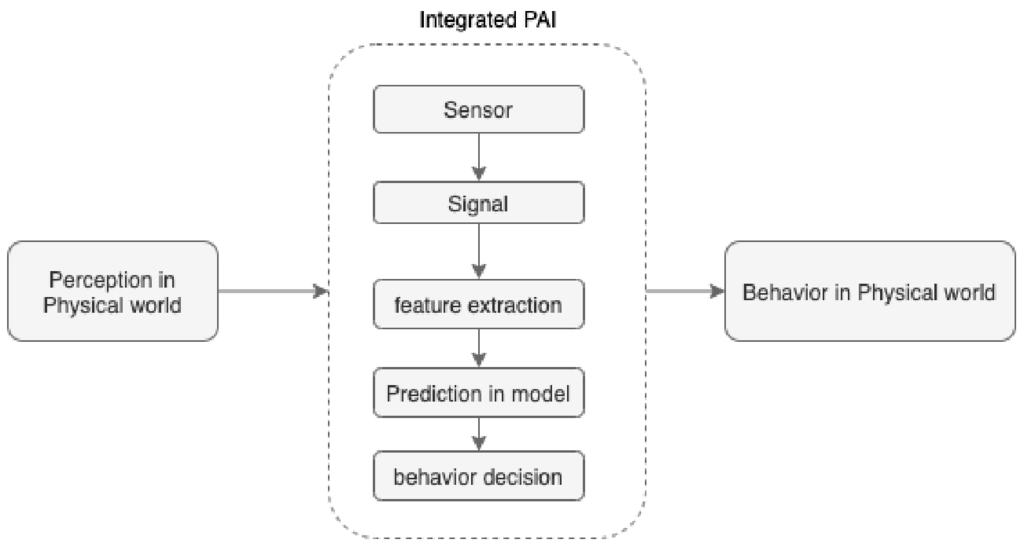
Think of it like a person. You sense the world around you (you see it's raining), you make a decision (you don't want to get wet), and you take an action (you grab an umbrella). AI agents operate on this same basic loop: perceive, think, act. The key difference is that their "world" might be a website, a database, a video game, or even the physical world, via sensors and robotics.
Beyond Simple Automation
You might be thinking, "This sounds a lot like automation." And you're right, but there's a crucial difference. Simple automation follows a strict set of pre-programmed rules. If X happens, do Y. It's like a macro in a spreadsheet. It's powerful, but rigid.
An AI agent, on the other hand, is goal-oriented and adaptable. You don't give it a step-by-step list of instructions. You give it an objective, and it figures out the steps on its own. It can handle unexpected situations and change its plan if things don't go as expected. This autonomy is what sets it apart.
| Feature | Simple Automation | AI Agent |
|---|---|---|
| Behavior | Rule-based (If-Then) | Goal-oriented |
| Decision Making | Pre-programmed | Autonomous & adaptive |
| Environment | Predictable, structured | Complex, dynamic |
| Example | Auto-reply email | A system that books a trip for you, finding the best flights and hotels based on your preferences and budget. |
From Theory to Reality
The idea of AI agents isn't new. It has roots in the early days of AI research, dating back to the 1950s. Early agents were often simple, rule-based systems designed for very specific tasks in controlled environments, like a robot navigating a simple maze.
For decades, building truly capable, autonomous agents was a huge challenge. But the recent explosion in Large Language Models (LLMs) has changed everything. These powerful models provide agents with advanced reasoning and language understanding abilities, allowing them to tackle complex, multi-step tasks in the real world.

Agents at Work
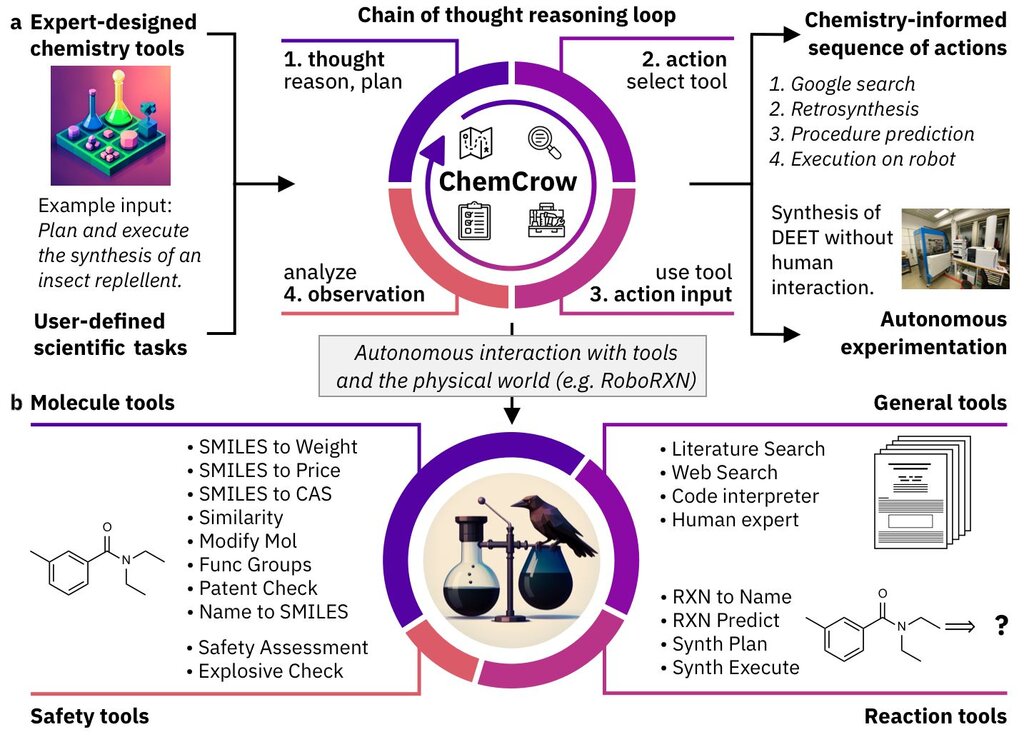
AI agents are already being used in a wide range of fields. In science, agents can analyze vast datasets to identify new drug candidates or sift through experimental results. In business, they manage inventory, optimize supply chains, and provide sophisticated customer support that goes far beyond simple chatbots.
They also power personal assistants that can manage your calendar, book appointments, and even do your online shopping. In the future, you might have a team of specialized AI agents working for you, each handling a different part of your digital life.
Let's check your understanding of these new autonomous helpers.
What is the fundamental operational loop of an AI agent?
What is the primary difference between an AI agent and simple automation?
AI agents represent a shift from simply telling computers what to do, to telling them what we want to achieve. It's a move from instruction to intent.