Build Your Own Finnish Sauna
Understanding Finnish Sauna Traditions
More Than Just a Hot Room
For Finns, the sauna is not a luxury. It’s a necessity. Woven into the fabric of daily life for thousands of years, the sauna is a place for physical and spiritual cleansing, a space to relax the body and quiet the mind. Historically, it was one of the cleanest places in a home, making it the setting for some of life's most profound moments, from childbirth to preparing the dead for their final journey.
The earliest saunas were simple pits dug into a slope, with a pile of rocks heated by a fire. Over time, these evolved into small wooden log buildings, a design that has remained remarkably consistent. The core idea has always been the same: a small, tightly sealed room, a pile of stones, and a fire to heat them.
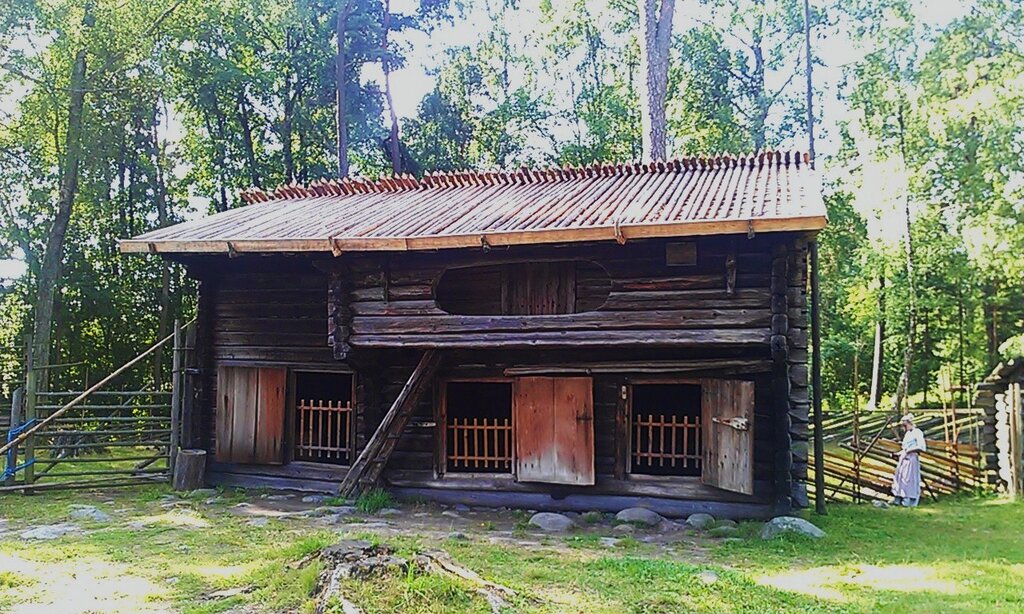
The Original Smoke Sauna
The most traditional Finnish sauna is the savusauna, or smoke sauna. Unlike modern saunas, it has no chimney. A massive stone stove, called a kiuas, is heated for several hours. During this time, smoke from the burning wood fills the room. Once the stones are glowing hot, the fire is extinguished and the smoke is aired out through a small hole or by opening the door.
What’s left is a gentle, radiant heat from the stones and a distinct, pleasant smoky aroma that lingers on the dark, soot-covered walls. This process creates a uniquely soft and humid steam when water is thrown on the rocks.
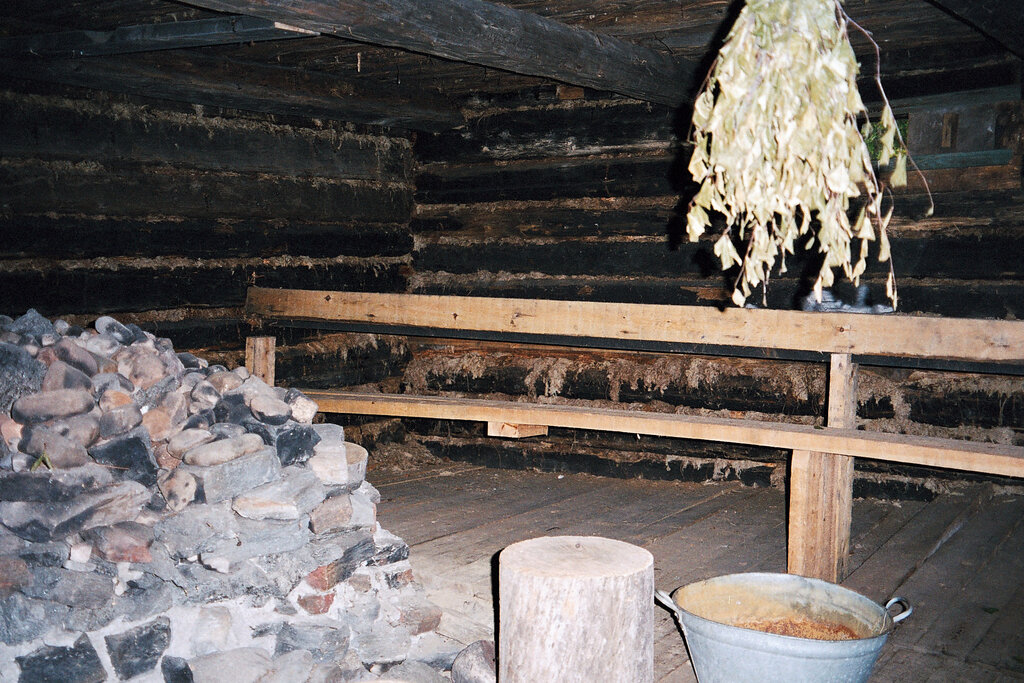
Traditional saunas are built with simple, natural materials. Log walls provide excellent insulation, and the interior is typically unadorned wood. The focus is on function and creating the perfect environment for a relaxing heat.
A Cultural Cornerstone
In Finland, the sauna is a place of equality. Ranks, titles, and uniforms are left outside with the clothes. It's a space for quiet reflection or open conversation with family and friends. Business deals have been struck and political decisions made in the heat of the sauna.
löyly
noun
The hot, enveloping steam created by throwing water on the sauna stove's stones. It also carries a deeper meaning, referring to the spirit or soul of the sauna.
The sauna ritual often involves a cycle of heating up and cooling down. After sitting in the heat, it's common to take a dip in a cold lake or, in the winter, roll in the snow. This invigorating contrast is a key part of the experience. Another common tradition is to gently beat the skin with a bundle of fresh birch twigs, called a vihta or vasta. This stimulates circulation and fills the air with a fresh, woodsy scent.
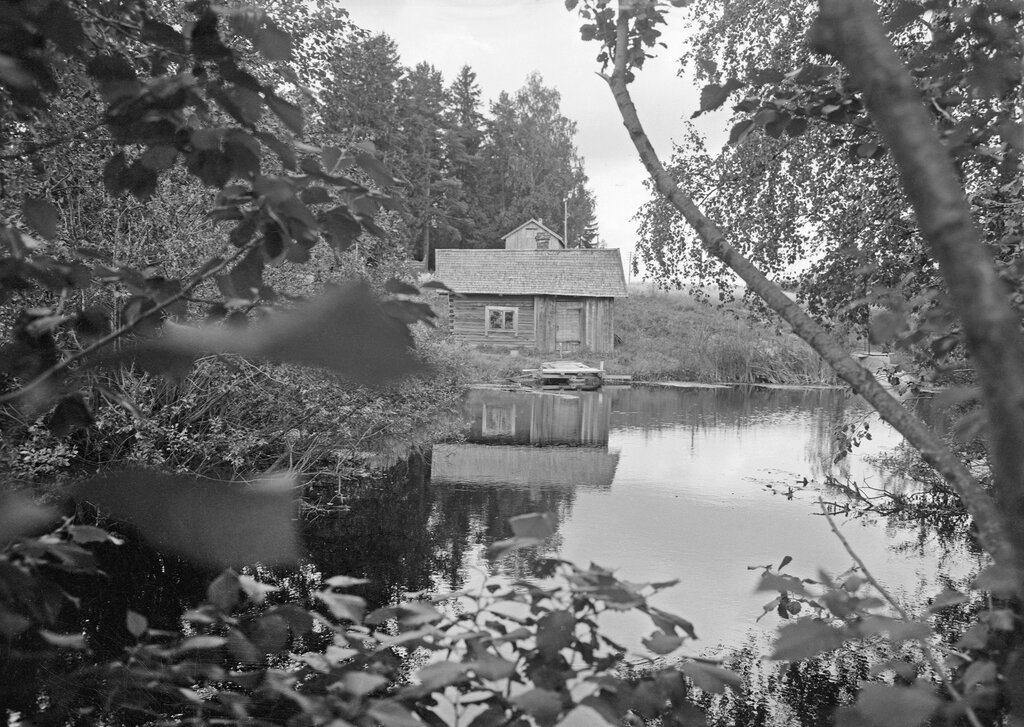
This deep-rooted tradition is why authenticity is so important. A true Finnish sauna is about more than just heat; it’s about connecting with nature, history, and a quiet, fundamental part of the Finnish identity.