Build Your Own Custom GPT
Introduction to Custom GPTs
Beyond the Basic Chatbot
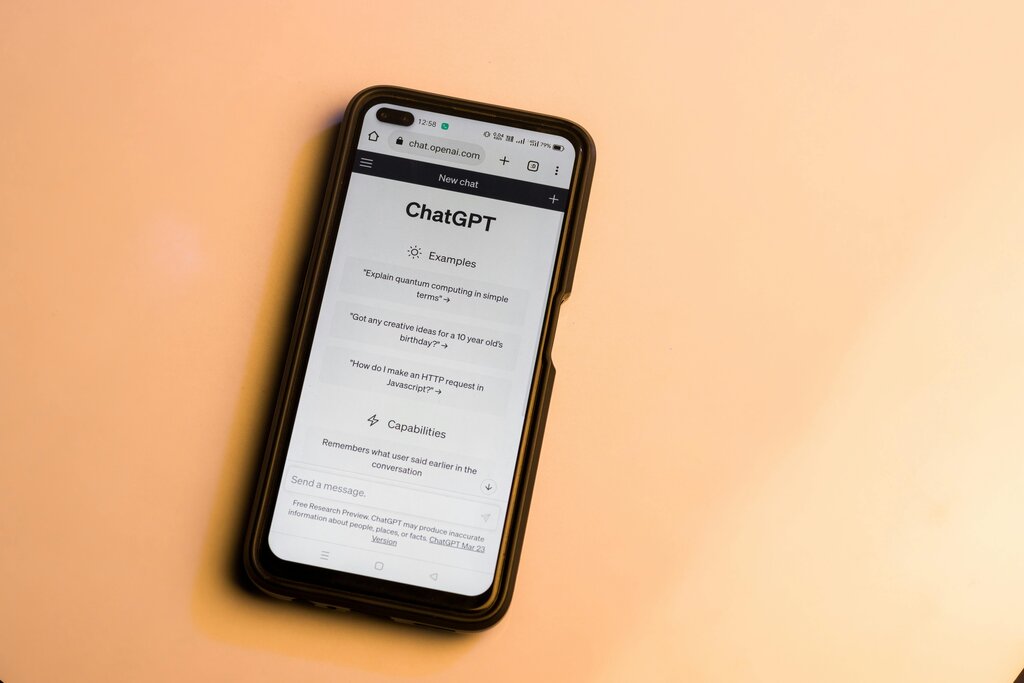
You're likely familiar with ChatGPT as a general-purpose tool. You can ask it to write an email, explain a concept, or generate ideas. It’s like a digital Swiss Army knife, useful for a wide range of tasks. But what if you needed a tool designed for one specific job? That’s where custom GPTs come in.
GPTs, or more commonly known as Custom GPTs, are a no-code feature of OpenAI's ChatGPT that allows users to customize the chatbot according to their needs.
Think of a custom GPT as a specialized version of ChatGPT that you can tailor for a particular purpose. You can give it specific instructions, knowledge, and skills to handle unique tasks without having to explain the context every single time. It’s a way to create a personalized AI assistant that already knows what you want it to do and how you want it to behave.
The Benefits of Specialization
Why bother creating a custom GPT? The main advantage is efficiency. Instead of writing a long, detailed prompt every time you need help with a recurring task, you can build a GPT that already has all that context built-in.
Here are the key benefits:
- Tailored Knowledge: You can upload specific documents, like company style guides, product manuals, or personal notes. The GPT will use this information to provide answers that are highly relevant to your specific needs.
- Consistent Persona: You can define a specific personality or tone. Imagine a GPT that always responds in the voice of a formal business consultant, a friendly creative partner, or even a specific fictional character. This ensures its replies always match the style you need.
- Streamlined Actions: Custom GPTs can be configured to interact with other applications. For instance, a GPT could be set up to add items to your calendar or search a specific database, combining conversation with action.
Creating a custom GPT is about building a sharper, more focused tool. It saves you from repeating instructions and gives you more consistent, relevant results.
What Can You Build?
The applications for custom GPTs are incredibly broad. You can create one for almost any professional or personal task that you perform regularly. Once created, you can keep it for personal use, share it with your team, or even publish it for others to use.
Here are just a few examples of what’s possible:
- Math Tutor: A GPT trained on a specific curriculum that can explain concepts and walk students through practice problems.
- Recipe Creator: A culinary assistant that generates recipes based on the ingredients you have on hand, your dietary restrictions, and your cooking style.
- Code Reviewer: A programming aide that analyzes your code based on your team's specific coding standards and best practices.
- Meeting Assistant: A GPT that can take your rough notes from a meeting, format them into a clean summary, and generate a list of action items.
- Brand Voice Guardian: An editor for a marketing team that checks content to ensure it aligns with the company's official tone and messaging guidelines.
He described GPTs as a fine-tuned version of ChatGPT that’s crafted with a specific purpose in mind.
Essentially, if there's a task where you find yourself giving ChatGPT the same set of instructions repeatedly, it's probably a great candidate for a custom GPT.
Ready to check your understanding?
What is the primary purpose of creating a custom GPT?
You're a project manager who frequently uses ChatGPT to turn rough meeting notes into a structured summary with a list of action items. This is a good candidate for a custom GPT.
By building these specialized versions, you can transform a general-purpose AI into a powerful, personalized tool that works exactly how you need it to.