Build Your Own Chatbot
Introduction to Chatbots
What Is a Chatbot?
A chatbot is a computer program that simulates human conversation. You can interact with them through text messages, voice commands, or both. Think of the last time you visited a website and a small window popped up asking, "How can I help you today?" That was likely a chatbot.
Though they seem like a recent invention, the idea isn't new. The very first chatbot, named ELIZA, was created at MIT in 1966. ELIZA was simple. It recognized keywords in what you typed and turned them into questions, mimicking a therapist. It didn't understand the conversation, but it gave the illusion of understanding. Today's chatbots are far more advanced, but they all share a common ancestor in this early experiment.
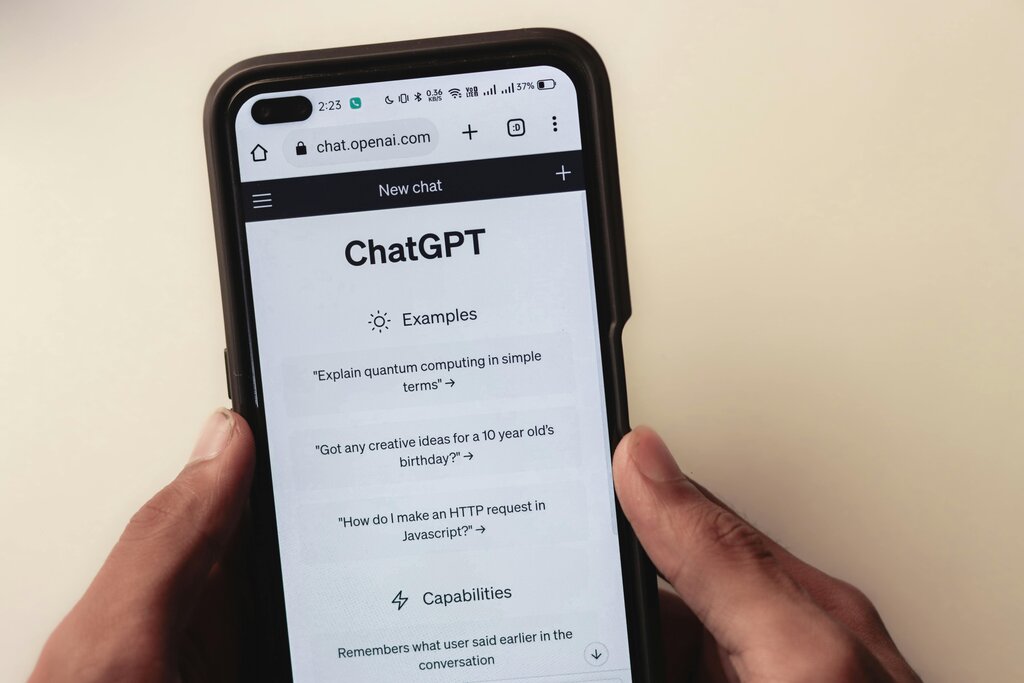
Chatbots in the Wild
Chatbots have moved beyond simple website helpers. They're now integrated into many industries, often working behind the scenes.
Customer service is the most common use. Bots can answer frequently asked questions, track packages, or help you reset a password 24/7, without making you wait for a human agent. In e-commerce, they act as personal shoppers, recommending products based on your preferences. Airlines use them to help you check in for a flight or check its status.
They're also making a difference in healthcare for tasks like scheduling appointments or reminding patients to take medication. In education, they can act as tutors, helping students with homework and answering questions about course material.
How They Work
The magic behind a chatbot is a field called conversational AI. This technology focuses on allowing computers to understand and respond to human language in a natural way. Not all chatbots are created equal, though. They generally fall into two categories: rule-based and AI-driven.
A rule-based chatbot operates on a set of predefined rules. It's like a flowchart. If a user says a specific keyword or phrase, the bot follows a script to give a pre-written response. These bots are great for simple, predictable tasks, like answering "What are your business hours?" They are straightforward to build but can't handle questions they weren't programmed for.
AI-driven chatbots are much more sophisticated. They use machine learning and natural language processing (NLP) to understand the intent behind a user's words, not just the keywords. This allows them to handle a wider range of questions, learn from conversations, and provide more personalized and spontaneous responses. They can understand typos and slang, and their conversations feel more human.
| Feature | Rule-Based Chatbots | AI-Driven Chatbots |
|---|---|---|
| Complexity | Simple | Complex |
| Flexibility | Rigid, follows a script | Flexible, can improvise |
| Conversation | Predictable, limited | Natural, dynamic |
| Learning | Does not learn | Learns from interactions |
| Use Case | Simple FAQs | Complex customer support |
Tools of the Trade
Building a chatbot is more accessible than ever, thanks to a variety of development platforms and tools. You don't always need to be an expert programmer to create one.
Platforms like Google's Dialogflow, Microsoft Bot Framework, and IBM Watson Assistant provide the building blocks to design, build, and deploy chatbots. Many of these tools offer visual interfaces where you can map out conversation flows and integrate your bot with websites, messaging apps, and voice assistants like Amazon Alexa or Google Assistant. They handle the complex AI and NLP components, letting you focus on designing the conversation.
Learn the fundamental concepts of chatbot development, including understanding different types of chatbots, their underlying technologies, and the basic steps involved in creating a simple chatbot from scratch, even without prior programming experience.
Ready to check your understanding?
What was the name of the first chatbot, created at MIT in 1966?
What is the primary difference between a rule-based chatbot and an AI-driven chatbot?
From the simple scripts of ELIZA to the complex conversational AI of today, chatbots have become an important part of how we interact with technology. Understanding the basics of how they work is the first step to harnessing their power.