Build Your Own AI Text-to-Speech Generator
Introduction to TTS
From Text to Talk
At its core, Text-to-Speech (TTS) technology does exactly what its name suggests: it turns written text into spoken audio. Think of it as a personal reader that can vocalize anything from a text message to an entire novel, all without a human needing to step in front of a microphone.
Text-to-speech software, also known as TTS software, is a technology that utilizes synthetic voices to convert written text into spoken words.
The primary goal is to bridge the gap between written information and auditory consumption. This makes digital content accessible to people with visual impairments or reading difficulties, allows for hands-free information access (like listening to emails while driving), and powers the conversational interfaces we use every day.
A Brief History of Synthetic Voices
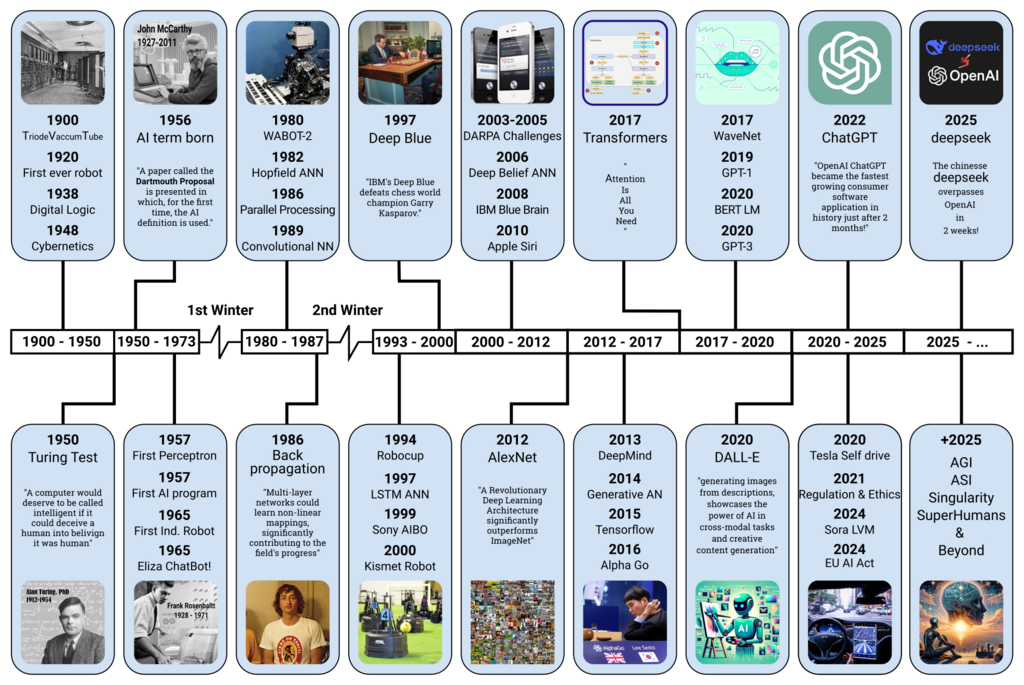
The journey of TTS began long before computers. Early attempts involved complex mechanical devices that tried to mimic the human vocal tract. These machines were fascinating but clunky and produced sounds that were barely recognizable as speech.
With the advent of computers, TTS evolved into rule-based systems. These early digital voices were created by painstakingly programming linguistic rules. For example, a system would be taught how to pronounce "cat" by combining the sounds for 'c', 'a', and 't'. This method, known as concatenative synthesis, involved stitching together tiny snippets of pre-recorded human speech. The result was often robotic and monotone, with unnatural rhythms and pacing. You could understand the words, but it certainly didn't sound like a real person.
The real breakthrough came with the rise of artificial intelligence and machine learning. Instead of being fed a list of rules, modern TTS systems learn to speak by analyzing massive datasets of human speech. Neural networks listen to thousands of hours of audio and learn the subtle nuances of pronunciation, intonation, and rhythm on their own. This AI-driven approach is why the voices of virtual assistants and navigation apps today sound remarkably human-like and can even convey emotion.
Where We Hear TTS Today
Once a niche technology, TTS is now integrated into countless aspects of our daily lives. Its applications are broad and continue to expand.
One of its most important roles is as an assistive technology. Screen readers use TTS to read aloud on-screen text, giving people with visual impairments access to the digital world.
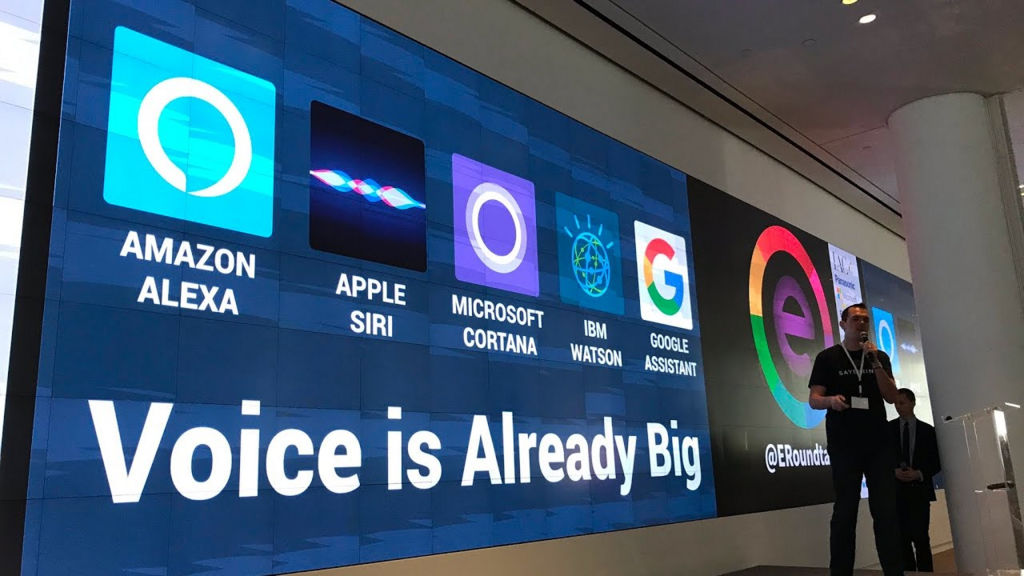
You almost certainly interact with TTS through virtual assistants. When you ask Siri for the weather or have Google Assistant read your notifications, you're hearing a sophisticated TTS engine at work. These systems are designed for conversational interaction, making technology feel more natural and intuitive.
The world of content creation has also been transformed. TTS is used to generate audiobooks, create voiceovers for videos and e-learning modules, and even power automated podcasting. It provides a quick and cost-effective way to produce high-quality audio content.
From in-car navigation systems guiding you turn-by-turn to public announcement systems in airports and train stations, TTS is the invisible voice that delivers clear, consistent information when and where we need it.
What is the primary function of Text-to-Speech (TTS) technology?
Early, rule-based TTS systems often sounded robotic because they worked by _______.
Now that you have a foundational understanding of what TTS is, its history, and its common applications, you're ready to explore how these systems actually work.