Build Your Online Portfolio
Understanding Personal Websites
Your Space on the Web
Think of a personal website as your digital home base. It’s a space online that you own and control, separate from social media profiles or third-party platforms. Here, you get to tell your own story, in your own words, and on your own terms. It’s the central hub for your professional life, connecting all the different pieces of who you are and what you do.
Your personal website is like your digital resume, portfolio, and public persona wrapped up in one easy-to-use package.
In a world where your online presence is often the first impression you make, a personal website gives you a powerful advantage. Instead of letting search results or a LinkedIn profile define you, you create the narrative. This is especially true when it comes to job hunting or attracting clients.
A study found that 56% of hiring managers are more impressed by a candidate’s personal website than any other personal branding tool, yet only 7% of job seekers have one. This is a huge opportunity to stand out.
Having your own site builds credibility and shows initiative. It’s a place to present your work in a curated, professional gallery, not just a folder of files. You control the layout, the message, and the user experience, ensuring that visitors see your very best work, presented exactly how you want.
What Kind of Site?
Personal websites aren't one-size-fits-all. The right format for you depends entirely on your goals. The three main types are the portfolio, the blog, and a hybrid of the two.
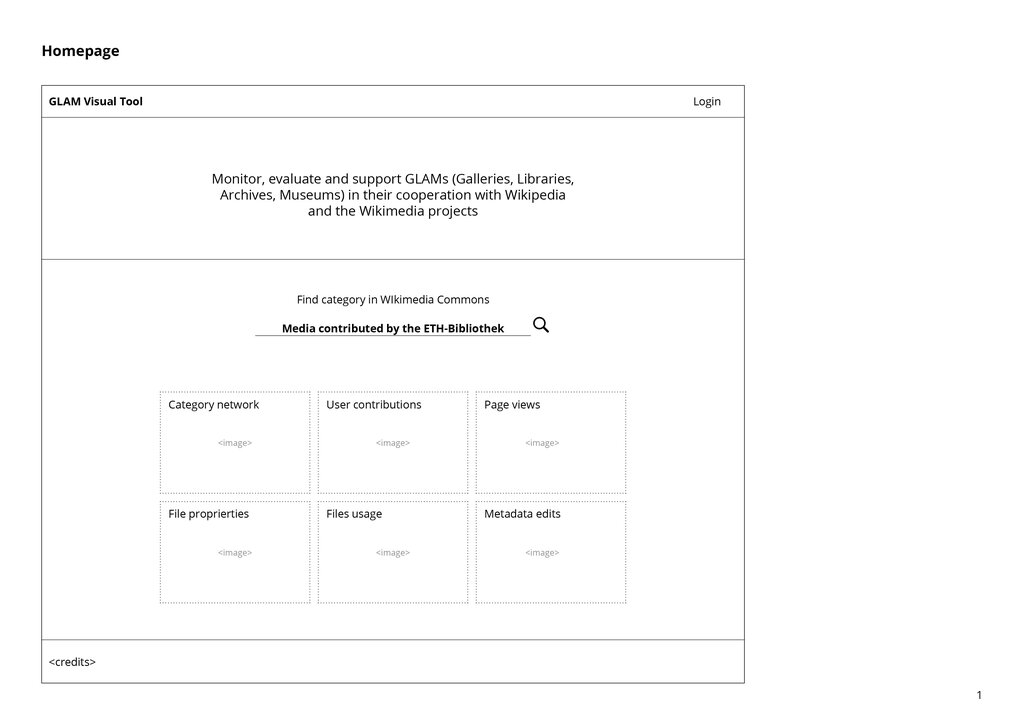
A portfolio website is a visual showcase of your work. It’s perfect for designers, artists, developers, writers, and anyone whose work can be displayed. The primary goal is to present a curated collection of your best projects. Each piece is often accompanied by a brief description or a case study explaining the process, your role, and the outcome. The focus is on showing, not just telling.
A blog, on the other hand, is centered around your thoughts, ideas, and expertise. It consists of regularly published articles, or posts. This format is ideal for thought leaders, consultants, and professionals who want to build a reputation in their field. By sharing valuable insights, you demonstrate your knowledge and attract an audience interested in your perspective. The goal is to establish authority and engage a community.
A hybrid model combines elements of both. This is a very popular and effective approach. You might have a main portfolio section to showcase projects, but also a blog where you write about industry trends or your creative process. This allows you to both display your work and demonstrate your expertise, giving visitors a complete picture of your professional capabilities.
Choosing Your Path
So, which type is right for you? It boils down to your primary objective.
| Your Goal | Recommended Website Type |
|---|---|
| Land a job as a graphic designer or photographer. | Portfolio |
| Build a personal brand as a marketing expert. | Blog |
| Showcase your software projects and share tutorials. | Hybrid |
| Attract freelance clients for your writing services. | Hybrid |
| Share your academic research and establish credibility. | Blog |
Consider what you want visitors to do. Do you want them to see your work and hire you for a project? A portfolio is key. Do you want them to read your ideas and see you as an expert? A blog is your best bet. Do you want to do both? The hybrid model offers the most flexibility.
Ultimately, your personal website is a tool to help you achieve your professional goals. By choosing the right format, you can create a powerful and effective online presence.
What is the primary advantage of having a personal website, according to the provided text?
Which type of personal website is described as a 'visual showcase' of your work, ideal for artists, developers, and writers?