Build Your First Landing Page
Introduction to Landing Pages
What Is a Landing Page?
A landing page is a single, standalone web page created for a specific marketing campaign. When a visitor clicks on an ad, an email link, or a social media post, this is the page they "land" on.
Its purpose is simple and direct: to get the visitor to take one, specific action. This could be signing up for a newsletter, downloading a guide, or buying a product. Unlike a regular website, which encourages exploration, a landing page is designed for focus. It's like having a one-on-one conversation with a clear goal, instead of wandering through a crowded store with lots of distractions.
A well-designed landing page serves as a focused environment where visitors can learn about your offer without distractions.
This focused design is what makes landing pages different from other pages on your site, especially your homepage.
Landing Page vs Homepage
Your homepage is the front door to your entire website. It has a broad purpose: to introduce your brand, showcase different products or services, and provide navigation to other parts of the site. It’s built for browsing.
A landing page, on the other hand, is like a private entrance that leads to a single room with a single purpose. It strips away all the extra navigation and links to keep the visitor focused on the task at hand.
| Feature | Homepage | Landing Page |
|---|---|---|
| Purpose | General exploration | Specific action (conversion) |
| Navigation | Many links (menu, footer) | Few or no links |
| Content | Broad overview of a brand | Focused on a single offer |
| Audience | General visitors | Targeted traffic from a campaign |
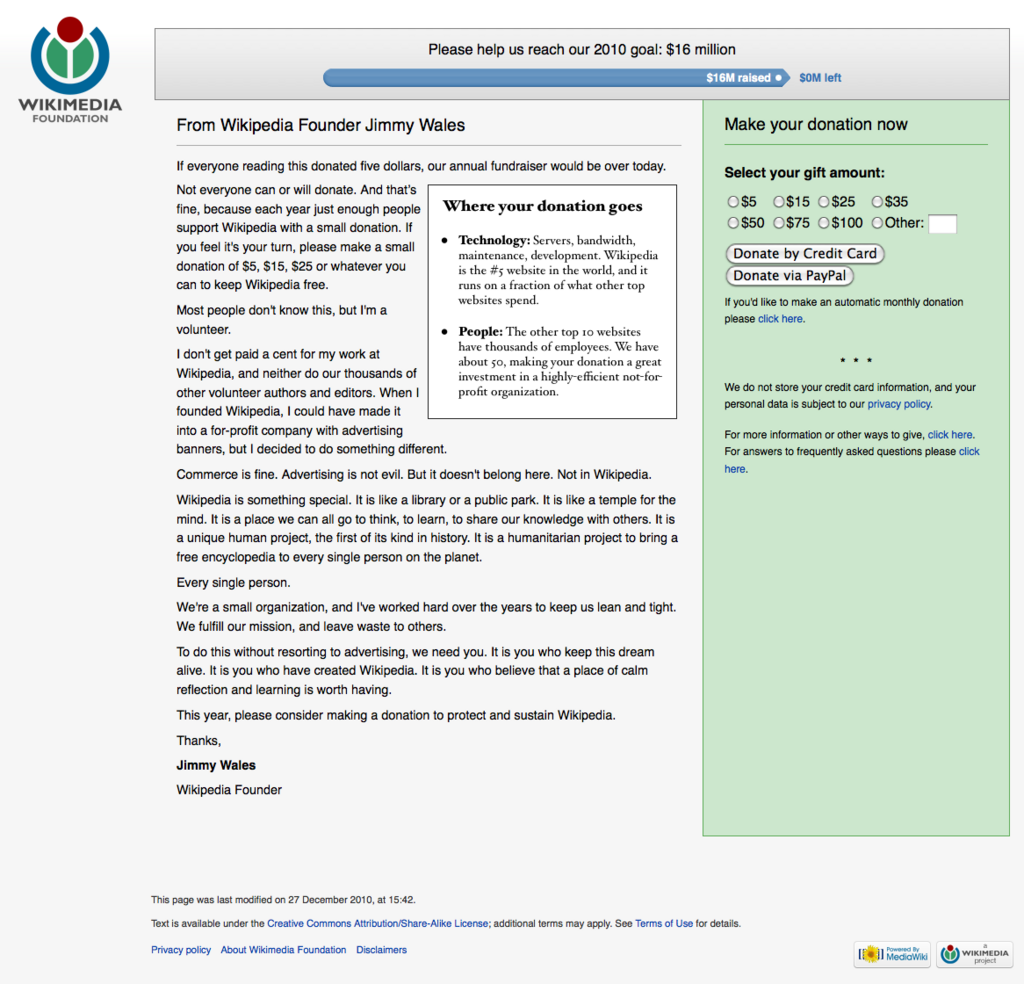
Notice how the page in the image above has one clear message and a prominent call to action. There are no links to other articles or sections of the website. The entire design is built to guide the visitor toward making a donation.
Why They Matter in Marketing
Landing pages are a critical tool in digital marketing because they are built for conversion. A conversion happens when a visitor completes a desired goal. By removing distractions and presenting a clear, compelling offer, landing pages make visitors more likely to convert.
Because each landing page is tied to a specific campaign, it also provides valuable data. You can easily track how many people who clicked your ad ended up signing up or making a purchase. This allows you to measure the success of your marketing efforts and make improvements.
For example, marketers often create two versions of a landing page with a small difference, like the color of a button or the wording of a headline, to see which one performs better. This is called A/B testing.
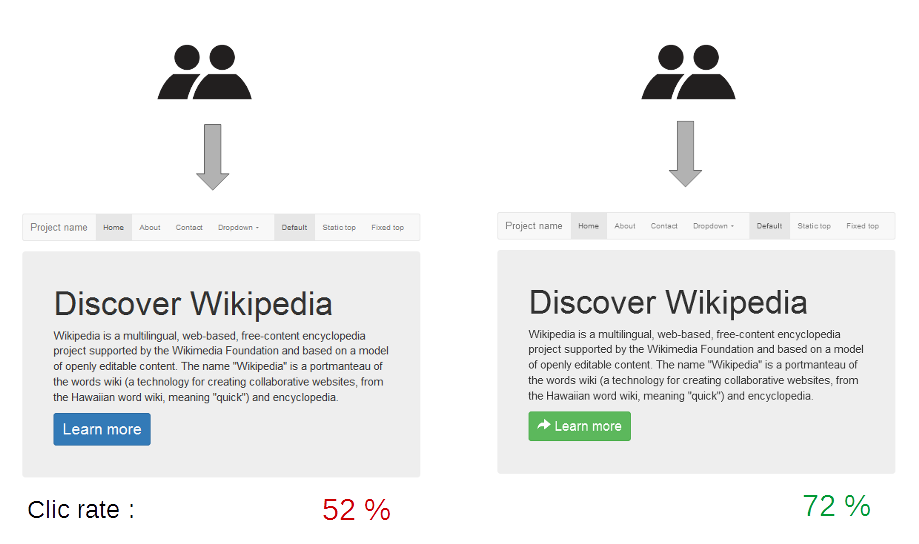
By directing ad traffic to a dedicated landing page, you create a seamless path from ad to offer. The message the visitor saw in the ad is reinforced on the landing page, building trust and guiding them directly toward the action you want them to take.
What is the primary purpose of a landing page?
A key difference between a homepage and a landing page is that a homepage is designed for browsing, while a landing page is designed for ______.
To sum up, landing pages are focused, action-oriented pages that serve as the destination for specific marketing campaigns. They are distinct from a website's homepage and are essential for converting visitors into customers or leads.