Build Your First Bot
Introduction to Bots
What Are Bots?
At its core, a bot is a software application designed to perform automated tasks. Think of it as a digital assistant that follows a set of instructions to get things done, usually much faster and more consistently than a human could. The word "bot" itself is a shortened version of "robot."
These tasks can be incredibly simple, like sending an automatic reply to an email, or highly complex, like scanning millions of websites for information. The main goal is always the same: automation. Bots are built to handle repetitive, rule-based jobs, freeing up people to focus on more creative or strategic work.
Bot
noun
A software application that runs automated tasks (scripts) over the Internet. Typically, bots perform tasks that are simple and repetitive, much faster than a person could.
The fundamental purpose of a bot is to automate a task that would otherwise be done by a human.
A Quick History
The idea of automated agents isn't new. It dates back to the early days of computing. One of the very first chatbots was ELIZA, created in the 1960s at MIT. ELIZA simulated a conversation by recognizing keywords in a user's text and responding with scripted phrases. It was simple, but it was a groundbreaking glimpse into the future of human-computer interaction.
Over the decades, bots evolved alongside the internet. In the 1990s, the first web crawlers, or "spiders," were developed to automatically browse and index the rapidly growing World Wide Web. These bots are the reason search engines like Google can give you results in a fraction of a second. As technology advanced, so did the sophistication and variety of bots, leading to the diverse ecosystem we see today.
Types of Bots
The term "bot" is a broad umbrella covering many different types of automated programs. While they all share the principle of automation, their functions can vary wildly.
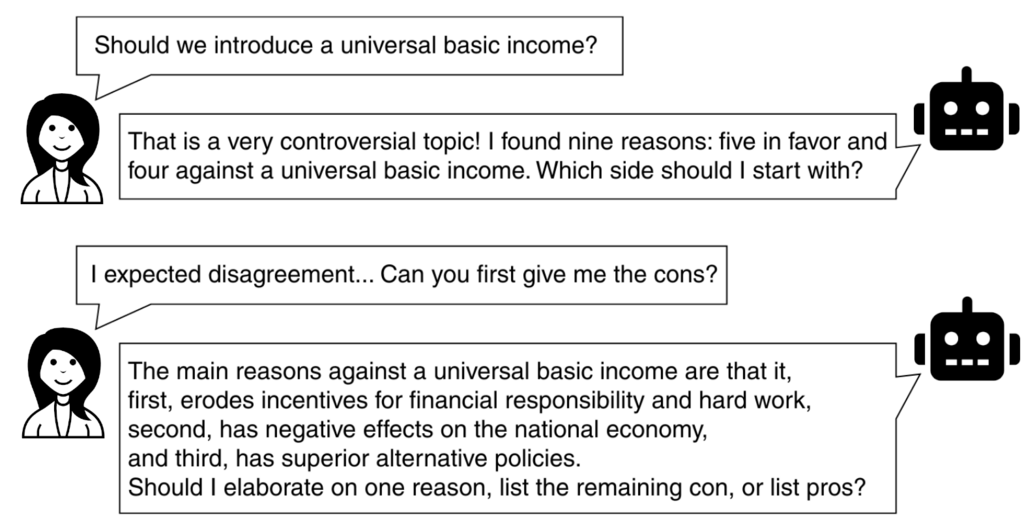
Perhaps the most well-known type is the chatbot. These are the bots you interact with on websites for customer support or through virtual assistants like Siri and Alexa. They are designed to simulate human conversation and help users with tasks like answering questions, booking appointments, or making purchases.
Web crawlers, also known as spiders, are the workhorses of the internet. They systematically browse websites to gather information, which is then used by search engines to index web content. Without them, finding anything online would be nearly impossible.
Other common types include social media bots, which can automate actions like posting content or following users, and trading bots, which execute stock trades based on market conditions. Each type is specialized for its environment and purpose.
| Bot Type | Primary Purpose | Common Example |
|---|---|---|
| Chatbot | Simulate human conversation | Website customer support assistant |
| Web Crawler | Index information on the web | Googlebot indexing pages for search |
| Social Media Bot | Automate activity on social platforms | A Twitter bot that posts weather updates |
| Trading Bot | Execute financial trades automatically | A bot that buys a stock at a set price |
Benefits and Challenges
Bots bring significant advantages. They are available 24/7, can handle massive volumes of tasks without getting tired, and perform with a high degree of accuracy. For businesses, this means improved efficiency, lower operational costs, and the ability to provide instant support to customers.
However, bots also present challenges. Malicious bots can be used for spamming, scraping sensitive data, or launching cyberattacks. There's also the risk of poor user experience if a bot is badly designed and can't understand user needs. A poorly implemented chatbot, for example, can cause frustration rather than helping.
Striking the right balance is key. When designed and used responsibly, bots are powerful tools that can streamline processes and enhance our digital lives.
The main benefit of bots is efficiency and availability. The main challenge is ensuring they are used ethically and provide a positive user experience.
Now that you have a foundational understanding of what bots are, you can start to see them everywhere. Let's test your knowledge.
What is the primary purpose of a software bot?
Which of the following is considered one of the very first chatbots, created at MIT in the 1960s?