Build Your First AI Program
Introduction to AI Programming
What Is AI Programming?
Artificial intelligence (AI) is about creating systems that can perform tasks that normally require human intelligence. This includes things like learning from experience, understanding language, recognizing patterns, and making decisions.
AI programming isn't about writing a long list of rigid instructions for every possible scenario. Instead, it’s about creating programs that can learn and adapt on their own. You provide the data and the learning framework, and the AI model figures out the rules. It's the difference between giving someone a fish and teaching them how to fish.
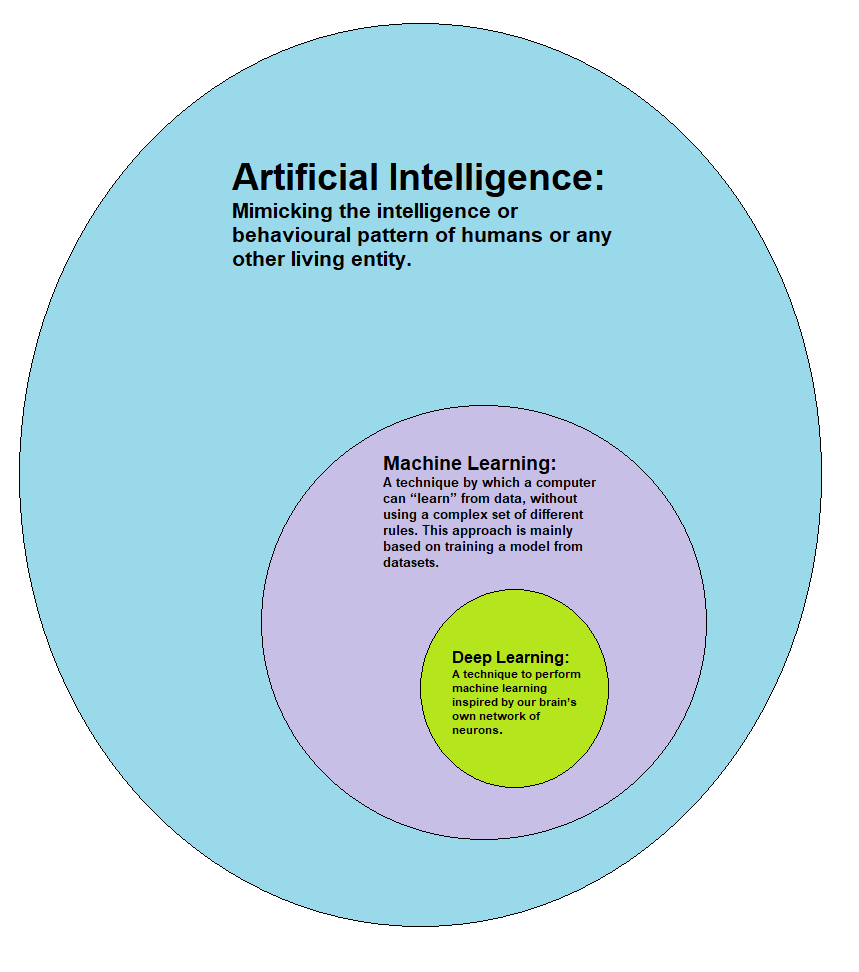
AI isn't a single technology; it's a collection of different fields. The most prominent one is Machine Learning (ML), where algorithms are trained on large datasets to find patterns and make predictions. A subset of ML is Deep Learning, which uses complex structures called neural networks inspired by the human brain.
Another key area is Natural Language Processing (NLP), which focuses on the interaction between computers and human language. When you talk to a voice assistant or use a translation app, you're seeing NLP in action.
The Tools of the Trade
While you can technically build AI in many programming languages, one stands out from the rest: Python. Its simple, readable syntax makes it easier to write and debug complex algorithms. More importantly, Python has a massive community and a rich ecosystem of libraries specifically designed for AI development.
Libraries are pre-written bundles of code that save developers from starting from scratch. For AI, some of the most essential libraries include:
- TensorFlow and PyTorch: For building and training deep learning models.
- Scikit-learn: A versatile library for traditional machine learning tasks.
- Pandas: For manipulating and analyzing data.
Using libraries means you can focus on solving the problem at hand instead of getting bogged down in the low-level details of implementing an algorithm.
# This isn't an AI, but it shows Python's readability.
# The goal is to guess a secret number.

secret_number = 7
guess = 0

while guess != secret_number:
    guess = int(input("Guess the number: "))
    if guess < secret_number:
        print("Too low!")
    elif guess > secret_number:
        print("Too high!")

print("You got it!")
The example above is a simple guessing game, not AI. But it demonstrates how clean and straightforward Python code can be, which is a huge advantage when building much more complex AI systems.
Thinking Responsibly
Creating AI isn't just a technical challenge; it's also an ethical one. As AI systems become more integrated into our lives, from deciding who gets a loan to assisting in medical diagnoses, the consequences of their actions become more significant.
One of the biggest concerns is bias. An AI model is only as good as the data it's trained on. If the data reflects existing societal biases, the AI will learn and potentially amplify them. For example, if a hiring tool is trained on historical data where men were predominantly hired for a certain role, it might learn to unfairly favor male candidates.
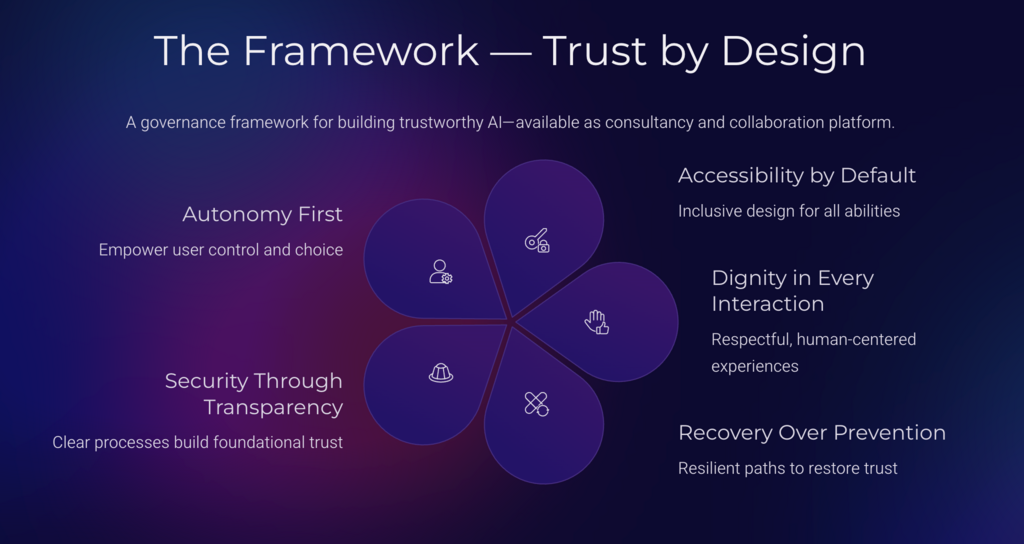
Developers must also consider transparency and accountability. How does the AI make its decisions? Who is responsible when it makes a mistake? These aren't easy questions, but they are crucial for building trust and ensuring that AI is used to benefit everyone.
Approaching AI development with a strong ethical framework is not just good practice—it's essential for creating technology that is fair, safe, and reliable.
What is the primary goal of Artificial Intelligence?
Which statement best describes the relationship between AI, Machine Learning (ML), and Deep Learning?