Build Your First AI Bot
Introduction to AI Bots
Meet the Bots
You've probably talked to a bot today without even realizing it. That helpful chat window on a shopping website? The voice assistant that sets your morning alarm? These are bots: automated programs designed to perform specific tasks. When we add artificial intelligence (AI) to the mix, these bots get a major upgrade. An AI bot can understand language, learn from conversations, and handle tasks that would normally require a human.
Bot
noun
A software application that runs automated tasks (scripts) over the Internet. Bots typically perform tasks that are both simple and structurally repetitive, at a much higher rate than would be possible for a human alone.
Think of a regular bot as a simple calculator. It follows a strict set of instructions. An AI bot is more like a helpful assistant who can understand your requests, even if you phrase them differently each time. They are built to interact with people and systems, making technology feel more natural and efficient.
Bots in the Wild
AI bots are already working in many different industries. The most common place you'll find them is in customer service. They answer frequently asked questions, help you track a package, or guide you through a website, freeing up human agents to handle more complex issues.
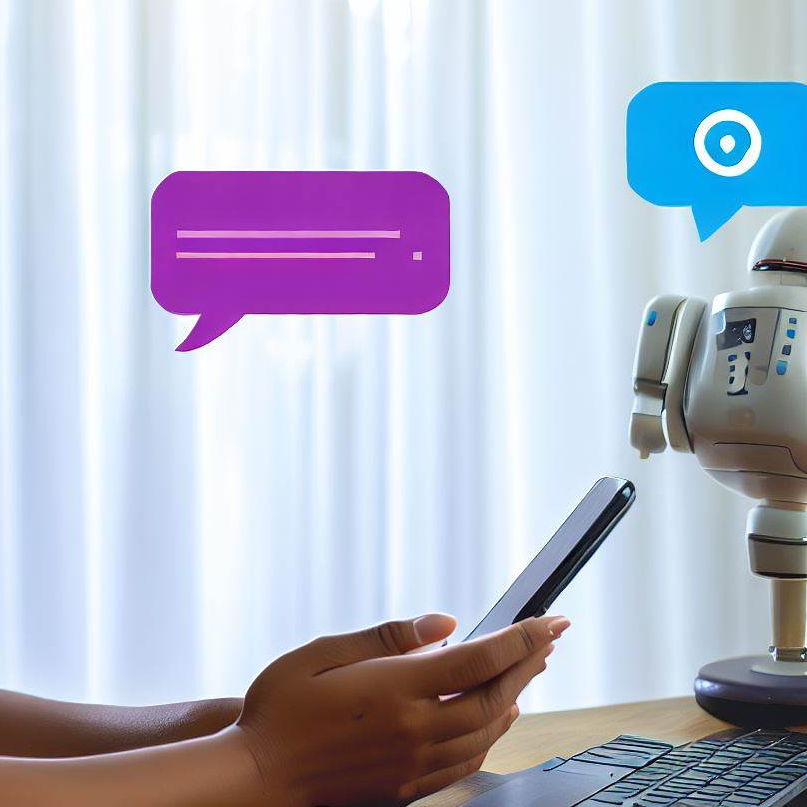
But their usefulness doesn't stop there. In healthcare, bots can schedule appointments and send medication reminders. In finance, they monitor accounts for suspicious activity and provide personalized financial tips. E-commerce sites use bots to recommend products based on your browsing history, creating a more tailored shopping experience. They're also the brains behind virtual assistants like Siri and Alexa, helping with everything from playing music to controlling smart home devices.
The key benefits of AI bots are efficiency and scale. A single bot can handle thousands of conversations at once, 24/7, without getting tired or making mistakes. This allows businesses to provide instant support to more people, leading to happier customers and more productive employees.
How They Think
Not all AI bots are created equal. They generally fall into two categories based on how they operate: rule-based and machine learning-based.
Rule-based bots are the simpler of the two. They operate using a flowchart of if/then logic. A programmer designs a conversational path with specific keywords and rules. If you say a certain word, the bot follows a predefined script. They are predictable and great for straightforward tasks, like answering basic FAQs, but they struggle with unexpected questions. If your query doesn't fit their script, they'll likely respond with "I don't understand."
Machine learning-based bots, on the other hand, are much more advanced. Instead of a rigid script, they are trained on vast amounts of data, allowing them to understand the intent behind your words, not just the keywords. They can learn from past interactions, handle complex queries, and carry on more natural, human-like conversations. These are the bots that power sophisticated virtual assistants and customer service platforms that seem to understand you.
Agentic AI systems go beyond traditional machine learning and chatbots.
As AI technology continues to evolve, the line between these two types is blurring. Many modern bots use a hybrid approach, combining the reliability of rules with the flexibility of machine learning to create even more powerful and helpful tools.
What is the primary advantage of an AI bot over a simple, non-AI bot?
A bot on a company's website guides users through a series of simple questions using a strict decision tree. If a user asks something unexpected, it responds with, "I don't understand." This is an example of a: