Build Your Business AI Agent
Defining the AI Agent's Purpose
Start With the 'Why'
Before any code is written or algorithms are chosen, the first and most critical step in creating an AI agent is to define its purpose. A solution in search of a problem is a recipe for wasted resources. A successful agent begins with a clear understanding of a specific business challenge it is meant to address. Without this, the project lacks direction and a benchmark for success.
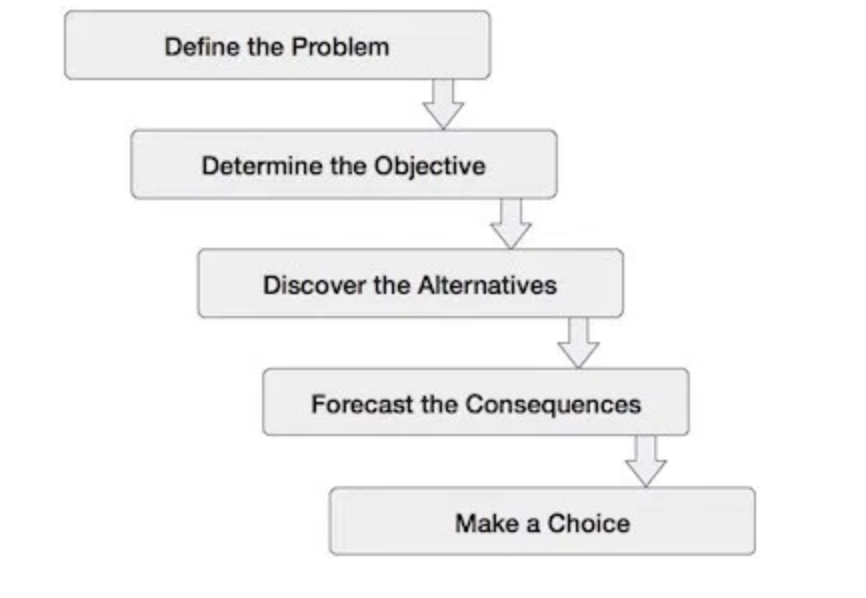
Step 1: Define the Problem & Set Clear Objectives. The first step in building an AI agent is to define the problem you want the agent to solve.
Identify Business Needs
The goal is to pinpoint a genuine pain point or opportunity within the company. Is there a repetitive, time-consuming task that slows down a key process? Is there an opportunity to analyse complex data to make better forecasts? The most effective AI agents are not built to do everything; they are designed to do one thing exceptionally well.
Start by looking at existing workflows. Where are the bottlenecks? Where do human errors most frequently occur? Talk to the people who actually do the work. They often have the clearest view of operational inefficiencies. The aim is to find a problem where automation or intelligent analysis can provide a significant, measurable improvement.
Define the Audience
Once you know the problem, you must define who the agent will serve. The target audience dictates the agent's interface, its communication style, and the information it presents. An agent designed for the finance team will have different requirements from one built for customer service representatives.
Consider the users' technical skills, their daily tasks, and how the agent will fit into their existing workflow. Will they interact with it through a chat interface, a dashboard, or an API? What information do they need to see, and what actions must they be able to take? Answering these questions ensures the agent is not just powerful, but also usable.
Set Clear Metrics
A well-defined purpose is not complete without a way to measure success. How will you know if the agent is actually solving the problem it was built for? Vague goals like 'improve efficiency' are not enough. Success metrics must be specific, measurable, and tied directly to the business need.
These metrics will guide the development process and provide a clear benchmark for evaluating the agent's performance after deployment. Without them, you can't prove the agent's value or identify areas for improvement.
| Vague Objective | Clear Success Metric |
|---|---|
| Improve customer support | Reduce average ticket resolution time by 20% in Q3. |
| Make better sales forecasts | Increase forecast accuracy for the next quarter from 80% to 90%. |
| Automate data entry | Decrease manual data entry errors by 95% within two months. |
| Enhance marketing campaigns | Improve email campaign click-through rates by 15% for the new product line. |
Now that you understand the importance of a clear purpose, let's test your knowledge.
What is the most critical first step in creating an AI agent?
When defining the purpose of an AI agent, why is it important to identify the target audience?
Defining the problem, audience, and metrics provides the foundation for the entire project. This clarity ensures that the final agent delivers real, demonstrable value to your company.