Build Websites Without Code
Introduction to No-Code Website Builders
What Are No-Code Builders?
Imagine building a house. For decades, the only way was to mill the wood, forge the nails, and lay every brick yourself. That’s what traditional web development was like—it required a deep understanding of coding languages like HTML, CSS, and JavaScript.
No-code website builders are like using a set of high-quality, pre-built modules. You don't need to know how to make the bricks; you just need a vision for the house. These tools let you design and launch a fully functional website using visual, drag-and-drop interfaces.
Instead of writing lines of code, you choose elements like text boxes, images, and buttons from a menu and place them on your page. This simple shift has made creating for the web accessible to everyone, from small business owners to artists and hobbyists.
From Code to Clicks
The web wasn't always so user-friendly. In the early days, creating a simple webpage meant manually writing every instruction in HTML. To change a color or font, you had to find and edit the specific line of code responsible. It was a slow, technical process reserved for those who spoke the language of the web.
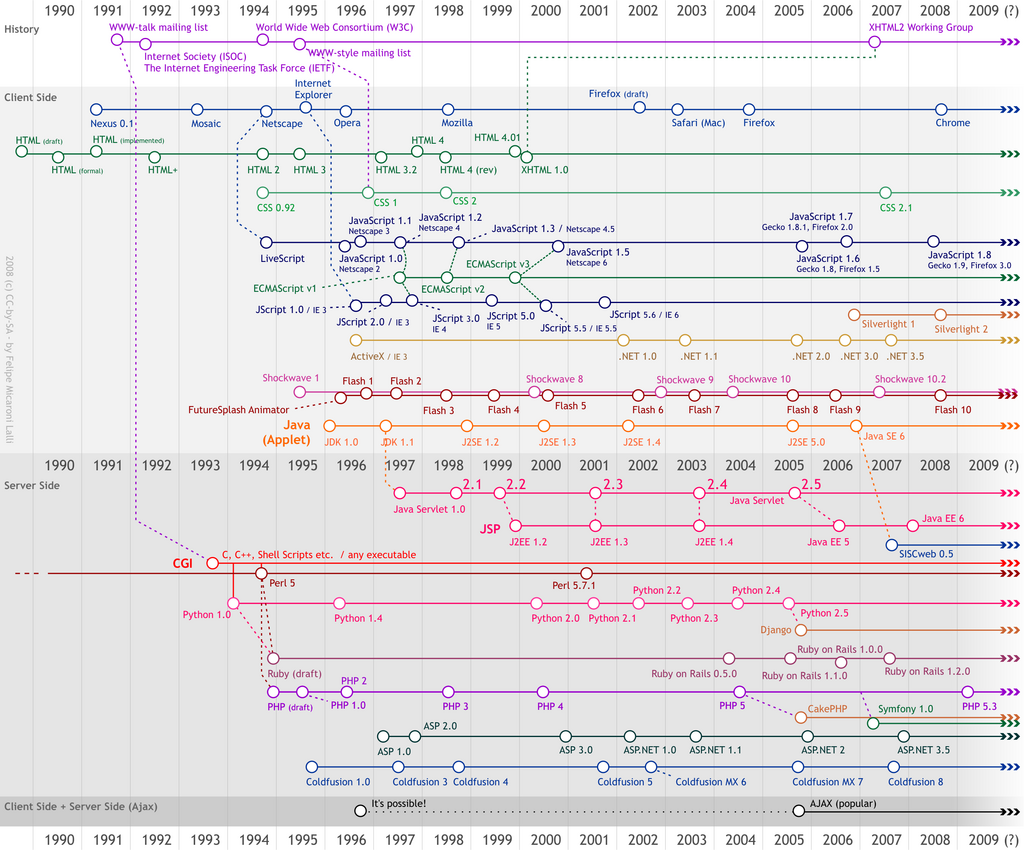
Over time, tools emerged to make things easier. Content Management Systems (CMS) like WordPress separated content from design, so you could write a blog post without touching the site's underlying structure. This was a huge step forward, but it still often required technical know-how for setup and customization.
The real revolution came with the rise of true no-code platforms. They took the final step, abstracting away the code entirely and giving users direct, visual control over every aspect of their site's appearance and function.
Why Go No-Code?
The move toward no-code isn't just about convenience; it's about efficiency and empowerment. By removing the technical barrier to entry, these platforms offer several powerful advantages.
No-code platforms eliminate the need for programming skills, making software development accessible to entrepreneurs, business professionals, and small teams.
Let's break down the primary benefits:
| Benefit | Description |
|---|---|
| Speed | Go from an idea to a live website in hours or days, not weeks or months. Visual editing allows for rapid prototyping and instant changes. |
| Cost-Effectiveness | Building a website with a no-code tool is significantly cheaper than hiring a professional developer or design agency. |
| Accessibility | Anyone with a creative idea can build a website. It puts the power to create directly in the hands of the creator, not a technical gatekeeper. |
| Autonomy | You are in full control. Need to update text, add a new product, or change a photo? You can do it yourself, instantly, without needing to ask for help. |
The No-Code Landscape
The world of no-code is vast and varied. Today, there are dozens of platforms, each with its own strengths. You don't need to know them all, but it's helpful to understand that they aren't one-size-fits-all.
Some builders excel at creating beautiful, image-heavy portfolio sites. Others are powerful engines for building online stores with complex inventory and payment systems. And a third category allows you to build entire web applications with databases and user logins, all without writing code. Choosing the right tool depends entirely on what you want to build.
Now that you understand the what, why, and how of no-code builders, let's test your knowledge.
How is traditional web development analogous to building a house in the past, according to the text?
Which of the following best represents the historical evolution of web development tools as described in the text?
This shift from code to visual creation has fundamentally changed who can build on the internet, opening up possibilities for millions of new creators.