Build Strength Safely
Understanding Strength Training
What Is Strength Training?
Strength training, also known as resistance training, is any physical activity where you use resistance to make your muscles contract. This contraction builds the strength, size, and endurance of your muscles. The “resistance” can come from your own body weight, free weights like dumbbells, weight machines, or resistance bands.
Think of it this way: to get stronger, your muscles need a challenge. Strength training provides that challenge, forcing them to adapt and grow more capable over time. It’s a fundamental part of fitness for people of all ages and abilities.
More Than Just Big Muscles
The benefits of strength training go far beyond just looking muscular. It fundamentally changes your body for the better.
First, it increases muscle mass through a process called hypertrophy. When you challenge your muscles, you create tiny micro-tears in the muscle fibers. Your body then repairs these fibers, making them thicker and stronger than before. This is how muscles grow.
hypertrophy
noun
The enlargement of an organ or tissue from the increase in size of its cells.
This process doesn't just affect your muscles; it strengthens your skeleton, too. The physical stress of resistance training signals your body to build denser, stronger bones. This is a powerful way to combat age-related bone loss and reduce the risk of osteoporosis.
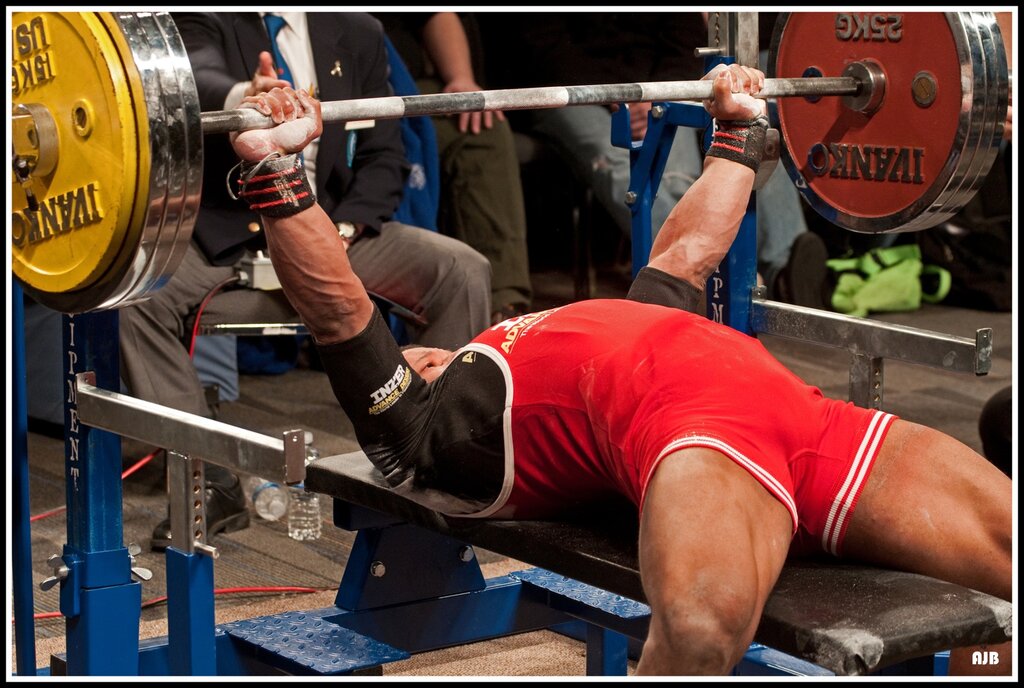
Strength training also revs up your metabolic health. Muscle tissue burns more calories at rest than fat tissue does. By increasing your muscle mass, you effectively increase your body's baseline metabolism, meaning you burn more calories throughout the day, even when you're not exercising. It also helps your body manage blood sugar more effectively, which is crucial for preventing chronic diseases like type 2 diabetes.
Common Myths Debunked
Several misconceptions prevent people from trying strength training. Let's clear a few up.
Myth: Strength training will make me bulky.
Fact: Gaining large amounts of muscle mass is incredibly difficult. It requires very specific, high-volume training and a carefully controlled, high-calorie diet. For most people, especially women, who have lower levels of testosterone, consistent strength training leads to a leaner, more toned physique, not excessive bulk.
Another common myth is that it’s only for the young and athletic. In reality, it becomes even more important as we age. Adults naturally lose muscle mass over time, a condition called sarcopenia. Strength training is the most effective way to slow and even reverse this process, maintaining independence and vitality for longer.
Strength for Everyday Life
Perhaps the most practical benefit of strength training is its impact on functional movement. This refers to your ability to perform everyday activities with ease and without injury.
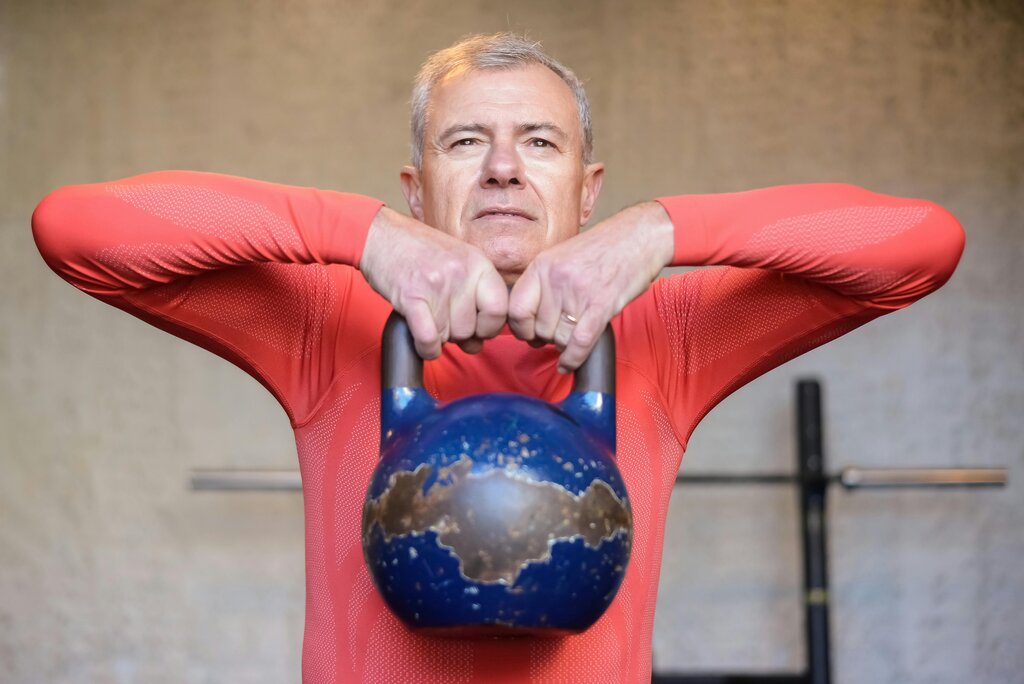
Think about carrying heavy groceries, lifting a suitcase into an overhead bin, or playing with your kids. These are all acts of strength. By training your muscles, you’re better prepared to handle the physical demands of life. Stronger muscles also provide better support for your joints, improving balance and stability, which can significantly reduce your risk of falls and injuries.
Strength training literally teaches your tissues to handle life better.
It’s not about becoming a bodybuilder or powerlifter, unless you want to. It's about building a more resilient, capable body that can serve you well for years to come.
Ready to check your understanding?
What is the physiological process responsible for muscle growth as a result of strength training?
Which of the following is NOT considered a form of resistance for strength training?
By focusing on strength, you build a solid foundation for overall health, making everyday movements easier and protecting your body from injury.