Build Strength Safely
Understanding Strength Training
What Is Strength Training?
At its core, strength training is any physical movement where you use your body weight or external resistance—like dumbbells, resistance bands, or weight machines—to build muscle strength, endurance, and size. The goal is to make your muscles work against a force, which prompts them to adapt and get stronger.
The foundational principle behind all strength training is progressive overload. This simply means that to keep getting stronger, you must continually increase the demands you place on your muscles. If you lift the same weight for the same number of repetitions every week, your body will adapt and then plateau. You have to give it a new challenge.
Think of it like learning a language. Once you master basic vocabulary, you move on to forming sentences, then paragraphs, and eventually fluent conversation. You're always pushing the boundary just a little bit further. Progressive overload is the same idea, but for your muscles.
More Than Just Big Muscles
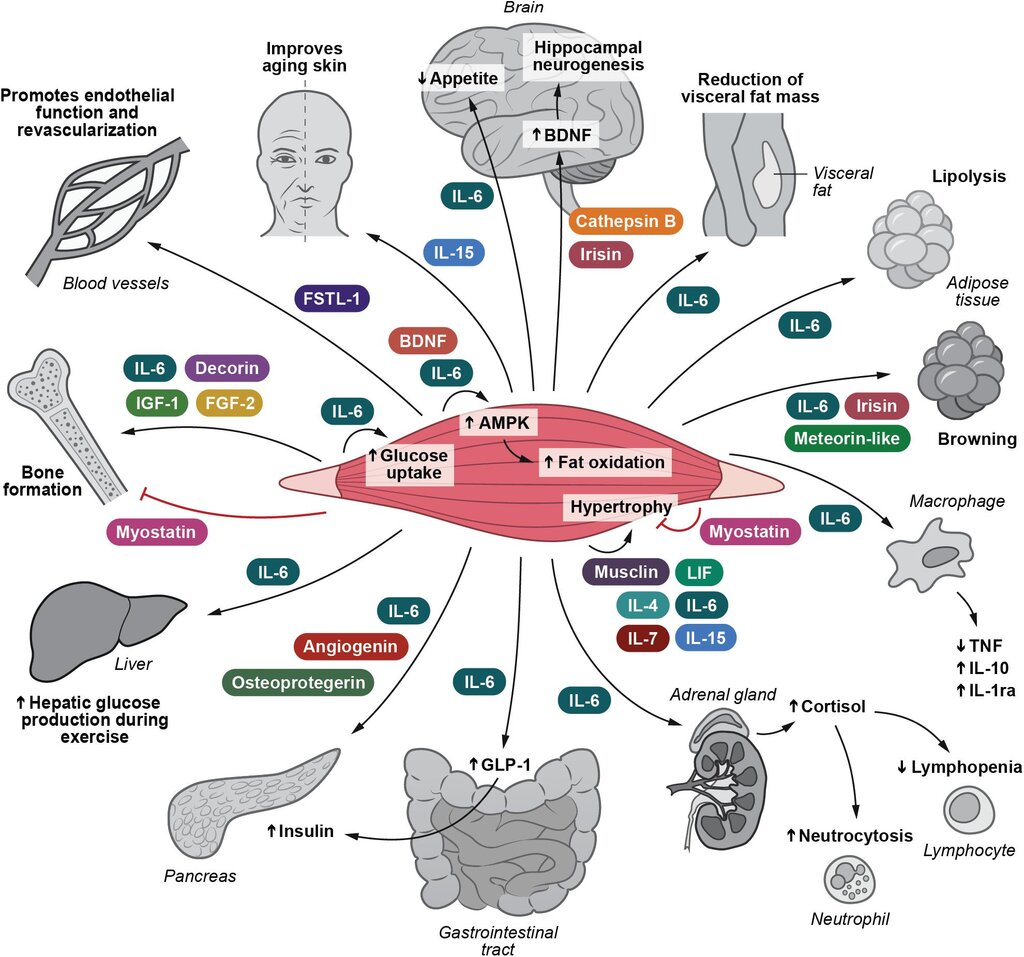
The benefits of strength training go far beyond the mirror. Building muscle is fantastic for your overall health. One of the most significant advantages is an increase in your metabolic rate. Muscle tissue is more metabolically active than fat, meaning it burns more calories, even when you're resting. This can make it easier to maintain a healthy body weight.

Strength training also does wonders for your skeleton. When you put stress on your muscles, you also stress your bones. This signals your body to build stronger, denser bones, which is a powerful defense against osteoporosis, a condition that causes bones to become weak and brittle.
Finally, it improves your functional performance. Everyday tasks like carrying groceries, lifting your kids, or moving furniture become easier and safer. You’re building a body that’s more capable and resilient for the demands of daily life.
How Your Body Adapts
When you start strength training, the first changes aren't even in your muscles—they're in your nervous system. Your brain becomes more efficient at recruiting muscle fibers and telling them to contract in a coordinated way. This is why beginners often see rapid strength gains in the first few weeks, even before their muscles look any different.
After these initial neural adaptations, your muscles themselves begin to change. The stress from resistance exercise creates tiny micro-tears in your muscle fibers. Your body responds by repairing these tears and adding new muscle fibers to handle the stress better next time. This process of repair and growth is called hypertrophy, and it's how muscles get bigger and stronger over time.
Busting Common Myths
A few persistent myths often keep people from starting strength training. Let's clear them up.
Myth 1: Strength training will make me look bulky. This is a common concern, especially for women. Gaining a large amount of muscle mass is very difficult and requires specific, intense training, a high-calorie diet, and high levels of hormones like testosterone. For most people, consistent strength training leads to a leaner, more toned physique, not bulk.

Myth 2: It’s only for young people. This couldn't be further from the truth. As we age, we naturally lose muscle mass and bone density. Strength training is one of the most effective ways to combat these age-related declines, helping older adults maintain their independence, strength, and balance.
Myth 3: You need a gym and heavy weights. While gyms offer great tools, they aren't necessary. You can get a fantastic workout using just your body weight (think push-ups, squats, and planks) or simple equipment like resistance bands. The key is applying resistance, and your own body is often more than enough to get started.
Now that you understand the what and why of strength training, let's test your knowledge.
What is the foundational principle of strength training that requires you to continually increase the demands on your muscles to get stronger?
When a person first begins strength training, where do the initial, rapid strength gains primarily come from?