Build Strength Safely and Consistently
Understanding Strength Training
More Than Just Lifting
Strength training is any physical activity designed to improve muscular fitness by exercising a muscle or a muscle group against external resistance. That resistance could be dumbbells, resistance bands, your own body weight, or even a heavy grocery bag.
The goal is simple: to make your muscles work harder than they're used to. This challenge is what signals your body to adapt and become stronger. It's not just about building bigger muscles; it's about improving your body's ability to handle physical tasks, from climbing stairs to carrying your kids.

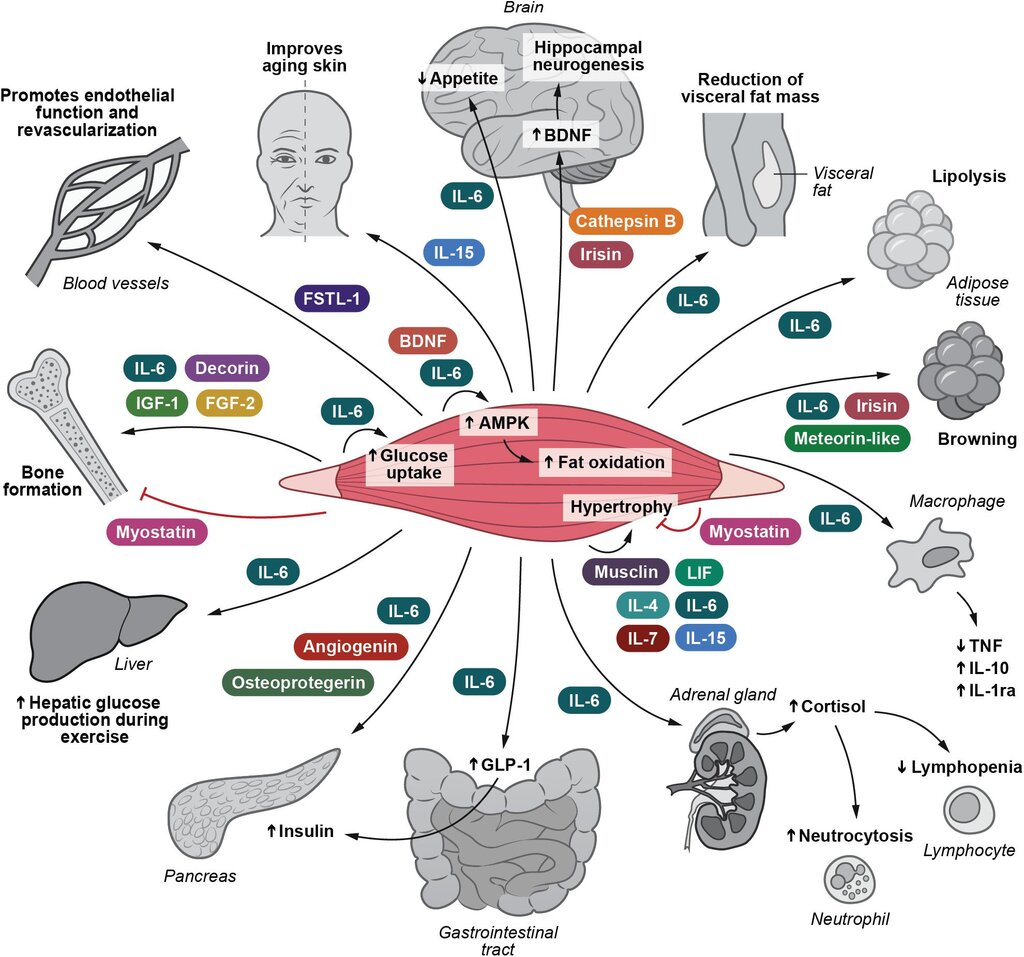
The benefits extend far beyond the mirror. Regular strength training boosts your metabolism, meaning you burn more calories even while resting. It also increases bone density, which is crucial for preventing osteoporosis as you age. By strengthening the muscles and connective tissues around your joints, you also build resilience against injuries in your daily life.
Think of it as a long-term investment in your body's durability and function.
How Your Body Adapts
When you challenge your muscles with resistance, you create tiny microscopic tears in the muscle fibers. This might sound bad, but it’s a natural and necessary part of the strengthening process. In response, your body doesn't just repair these fibers; it rebuilds them thicker and stronger to better handle that stress in the future. This process is called hypertrophy.
Hypertrophy
noun
The enlargement of an organ or tissue from the increase in size of its cells.
But strength isn't just about muscle size. A huge part of getting stronger happens in your nervous system. As you practice a movement, your brain and nerves get better at communicating with your muscles. They learn to recruit more muscle fibers and coordinate their firing more efficiently. This is why you often see rapid strength gains when you first start training, even before your muscles look any different. You're simply becoming more skilled at using the muscle you already have.
Common Myths Debunked
Several misconceptions prevent people from starting strength training. Let's clear a few of them up.
Myth: Strength training will make me bulky.
Reality: Gaining a large amount of muscle mass is incredibly difficult. It requires a very specific and intense training regimen, along with a high-calorie diet and hormonal support. For most people, especially women, strength training leads to a leaner, more toned physique, not a bulky one.

Myth: It’s only for young athletes.
Reality: Strength training is vital for people of all ages. As we get older, we naturally lose muscle mass and bone density, a condition called sarcopenia. Resistance training is the single most effective way to combat this, helping maintain independence and quality of life for years to come.
Myth: Cardio is the only way to lose fat.
Reality: While cardio is great for burning calories during a workout, strength training helps you burn more calories around the clock. Muscle is metabolically active tissue, so the more you have, the higher your resting metabolic rate. A combination of both cardio and strength training is often the most effective approach for fat loss.
Strength training is the most effective way to build and maintain muscle mass, crucial for metabolism, strength, and function.
With a better grasp of what strength training is and what it can do for you, you can see its value in any fitness plan. It's a powerful tool for building a stronger, more resilient body for the long haul.