Build Strength Safely and Consistently
Understanding Strength Training
What Is Strength Training?
At its core, strength training is any physical movement where you use resistance to make your muscles contract. The goal of that contraction is to build strength, anaerobic endurance, and the size of your skeletal muscles. The resistance can come from free weights like dumbbells, weight machines, resistance bands, or even your own body weight.

Think of it as a conversation with your muscles. By applying a stressor—the resistance—you're asking your muscles to adapt and become stronger. This process of adaptation is what leads to all the benefits. It's not about becoming a bodybuilder, unless you want to be. It's about making your body more resilient and capable.
More Than Just Bigger Muscles
While muscle growth, or hypertrophy, is a well-known outcome, the benefits of strength training go much deeper. When you lift a weight, you create tiny micro-tears in your muscle fibers. Your body then repairs these tears, building the fibers back slightly thicker and stronger than before. This is how muscles grow.
But the stress doesn't just affect your muscles. It also affects your bones. The pulling and tugging on your bones by your muscles during a lift stimulates bone cells to create more bone tissue. Over time, this increases your bone density, making your skeleton stronger and more resistant to fractures. This is especially important as we age.
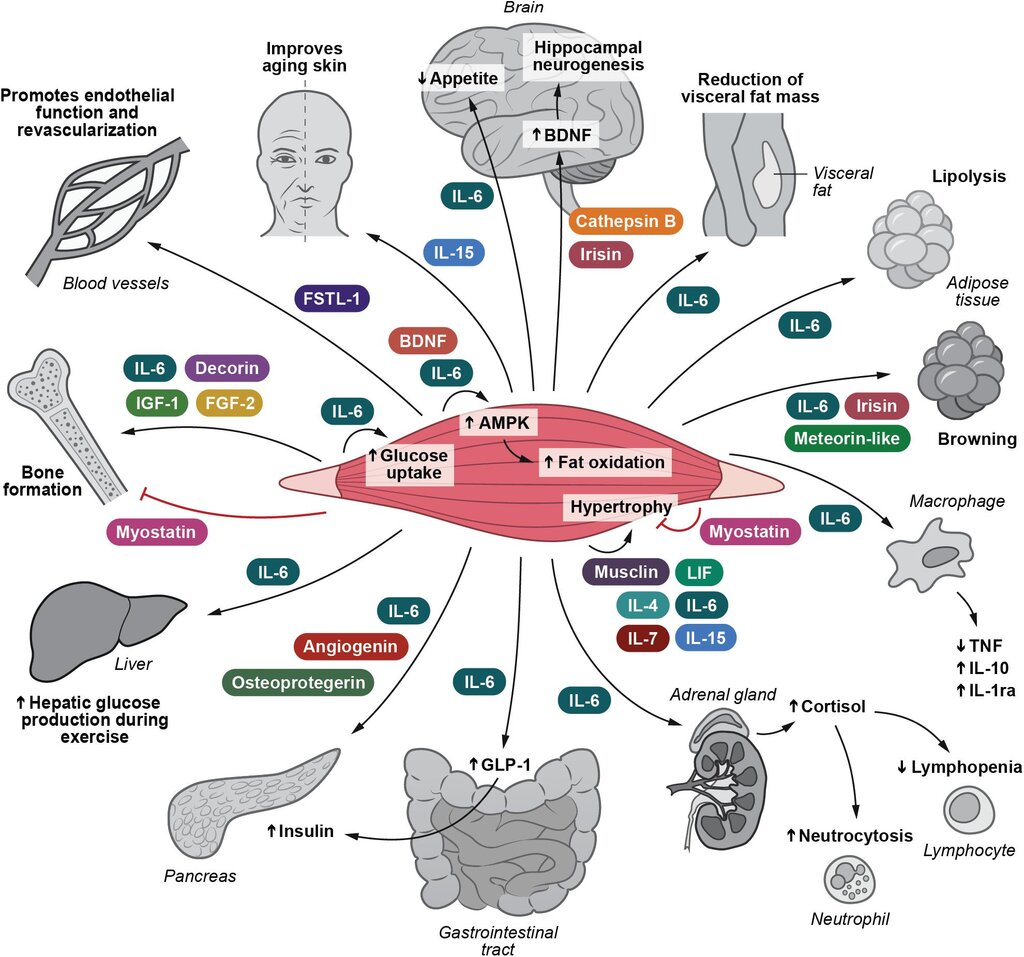
Strength training also revs up your metabolism. Muscle tissue is more metabolically active than fat tissue, meaning it burns more calories at rest. The more muscle mass you have, the higher your basal metabolic rate (BMR) will be. This means your body burns more calories throughout the day, even when you're just sitting on the couch.
Building muscle is like turning up your body's thermostat. You burn more energy around the clock, which can be a game-changer for long-term health and weight management.
Strength for Everyday Life
We often think of strength in terms of how much weight someone can lift in the gym. But the real payoff is how that strength translates to daily life. These are often called functional movements.
Every time you pick up a heavy grocery bag, lift a child, or carry a suitcase up a flight of stairs, you're relying on your strength. When your muscles are stronger, these tasks become easier and feel less strenuous. More importantly, strong muscles, tendons, and ligaments provide better support for your joints, significantly reducing your risk of injury from everyday activities.
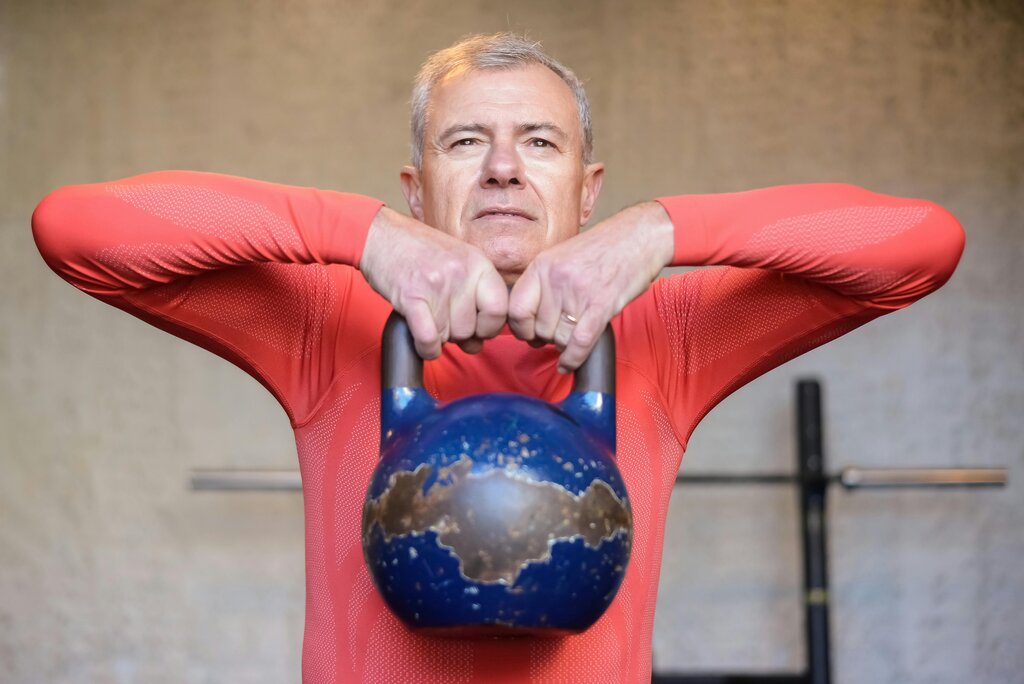
Movements like squats and deadlifts, for example, directly mimic the way you bend down to pick something up off the floor. Building strength in these patterns makes you more efficient and safer in your day-to-day life.
Common Myths Debunked
Despite its benefits, strength training is surrounded by myths that can keep people from starting. Let's clear up a few of the most common ones.
| Myth | Reality |
|---|---|
| "Lifting weights will make me bulky." | Gaining significant muscle mass requires very specific, high-volume training and a carefully controlled diet with a large calorie surplus. For most people, strength training creates a leaner, more toned appearance, not bulk. |
| "Strength training is only for young people." | It's arguably even more important for older adults. It's one of the most effective ways to combat age-related muscle loss (sarcopenia) and bone density decline (osteoporosis), helping maintain independence and quality of life. |
| "You need a gym and heavy weights to get strong." | Resistance is resistance. Your body doesn't know if it's a dumbbell or your own bodyweight. Exercises like push-ups, squats, and planks can build significant strength without any equipment at all. |
Now that you understand the what and why of strength training, let's check your understanding.
What is the fundamental principle of strength training?
How does strength training contribute to stronger bones?
Understanding these core principles is the first step. By focusing on how strength training improves your muscles, bones, and daily life, you can see it as a fundamental tool for long-term health.