Build Strength Safely and Consistently
Strength Training Basics
More Than Just Muscle
Strength training is about building a more resilient and capable body. Think of it as upgrading your body's foundation. A stronger foundation supports everything you do, from carrying groceries to playing with your kids or running a marathon.
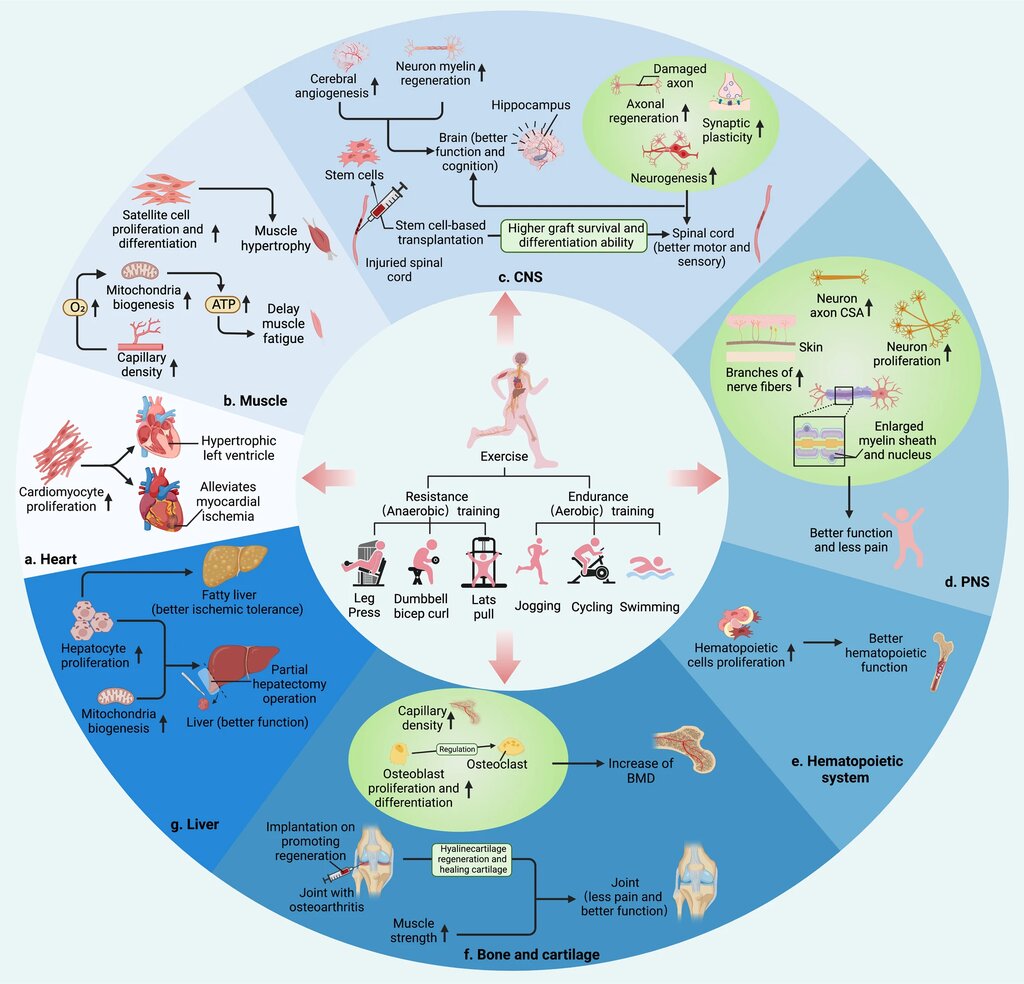
When you challenge your muscles, they adapt by growing stronger. This process doesn't just build visible muscle; it also increases your bone density, making your skeleton more robust and less prone to fractures. A body with more muscle mass also has a higher metabolic rate, which means you burn more calories even when you're resting.
This boost in metabolism can help with weight management and overall health. Essentially, strength training makes your body a more efficient machine.
Your Toolkit for Strength
You don't need a fancy gym membership to start building strength. There are several ways to challenge your muscles, and each has its own advantages. The best tool is often the one you'll use consistently.
Bodyweight Exercises This is the most accessible form of strength training. You use your own body's weight as resistance. Exercises like push-ups, squats, and planks require no equipment and can be done anywhere. They're perfect for building a solid base of functional strength.
Free Weights This category includes dumbbells, kettlebells, and barbells. Free weights are incredibly versatile and force your body to stabilize itself during movements, which engages more muscles. This helps improve balance and coordination alongside pure strength.
Resistance Bands These large elastic bands are lightweight, portable, and provide variable resistance. The further you stretch the band, the harder the exercise becomes. They are great for beginners, physical therapy, and adding a different type of challenge to familiar exercises.

There are also weight machines, often found in gyms, which guide your movement along a fixed path. These can be useful for isolating specific muscles but may not build the same level of stabilizing strength as free weights.
Form Over Everything
Imagine building a house with a crooked frame. It might stand for a while, but it's not stable and will eventually have problems. The same is true for strength training. Your technique, or form, is the frame upon which you build your strength.
Proper form ensures you're working the intended muscles safely and effectively. Lifting with poor technique can shift the load to other parts of your body, like your joints or lower back, increasing the risk of injury. It also means you're not getting the full benefit of the exercise.
Proper technique in foundational movements builds a strong base and prevents injury.
When you're starting, focus on learning the movements with little or no weight. It’s better to do five perfect squats with just your bodyweight than ten sloppy ones with a heavy barbell. Quality always trumps quantity.

Pay attention to how your body feels. You should feel the target muscles working, not sharp pain in your joints. If something doesn't feel right, stop. Mastering the basics with good form sets you up for long-term success and keeps you training safely for years to come.
Ready to review the key ideas we've covered?
Let's see what you've learned.
Besides building visible muscle, what is a key benefit of strength training mentioned in the text?
According to the text, which type of strength training is the most accessible and can be done anywhere without equipment?
Building strength is a journey. By understanding the benefits, choosing the right tools, and prioritizing proper form, you've taken the most important first step.