Build Strength Safely and Consistently
Understanding Strength Training
What is Strength Training?
Strength training, also known as resistance training, is any exercise that causes your muscles to contract against an external resistance. This resistance can come from free weights, like dumbbells or barbells, weight machines, resistance bands, or even your own body weight.
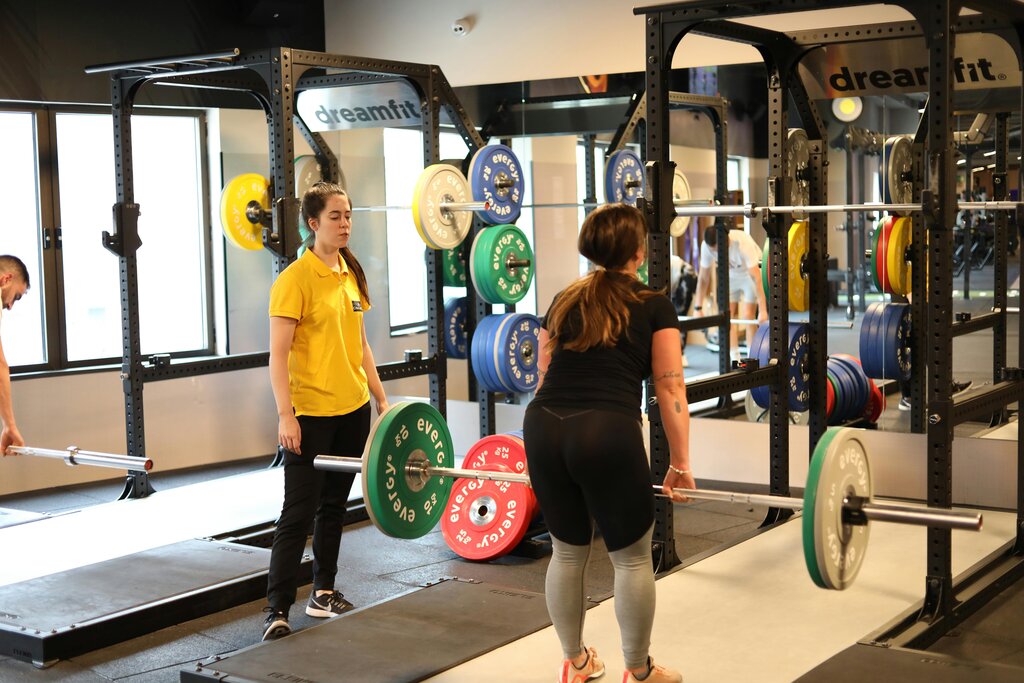
The goal is simple: to increase muscular strength, endurance, and size. But the benefits go far beyond just looking more toned. Regular strength training helps build stronger bones, which is crucial for preventing osteoporosis later in life. It also boosts your metabolism because muscle tissue burns more calories at rest than fat tissue does. This means a stronger body is also a more efficient one, making everyday activities like carrying groceries or climbing stairs feel easier.
How Muscles Grow
When you challenge your muscles with resistance, you're actually creating tiny, microscopic tears in the muscle fibers. This might sound bad, but it’s a necessary step. Your body responds to this damage by repairing the fibers, but it doesn't just patch them up. It overcompensates, rebuilding them thicker and stronger than before so they can better handle that same stress in the future. This process of muscle growth is called hypertrophy.
Hypertrophy
noun
The enlargement of an organ or tissue from the increase in size of its cells.
Three main factors trigger this growth:
| Factor | Description |
|---|---|
| Mechanical Tension | The force generated when you lift a heavy weight, stretching the muscle fibers. |
| Muscle Damage | The micro-tears created in muscle tissue during intense exercise. |
| Metabolic Stress | The buildup of byproducts like lactate from energy production during exercise, leading to the 'burn' you feel. |
A good strength training program will effectively combine these elements to maximize muscle adaptation and growth.
Core Principles of Training
To get stronger, you can't just lift the same weights the same way forever. Your body needs a consistent and increasing challenge. This is guided by a few key principles.
Progressive Overload: This is the cornerstone of all strength gains. It means you must gradually increase the demand on your muscles over time. You can do this by lifting heavier weights, doing more repetitions or sets, or reducing rest time between sets. Without progressive overload, your muscles will adapt and then plateau.
Building strength and muscle is not just about showing up at the gym and lifting weights—it’s about consistently challenging your body in a structured and strategic way.
Specificity is another important principle. It means your training should be relevant to your goals. If you want to improve your squat, you need to squat. If you want to build bigger biceps, you need to do exercises that target the biceps.
Finally, recovery is just as important as the workout itself. Muscle growth happens when you're resting, not when you're lifting. Adequate sleep, proper nutrition, and taking days off allow your body to repair the damage and come back stronger.
Now that you understand the what, why, and how of strength training, let's test your knowledge.
What is the physiological process of muscle growth that occurs in response to strength training?
According to the principle of progressive overload, how should a lifter approach their training over the long term to ensure continuous improvement?
Understanding these fundamentals provides the foundation for building an effective and safe fitness routine that works for you.