Build Strength Safely and Consistently
Understanding Strength Training
What Is Strength Training?
At its core, strength training is any physical activity where you make your muscles work against a weight or force. This “resistance” can come from dumbbells, resistance bands, weight machines, or even your own body weight. The goal is simple: to increase your muscular strength and endurance.
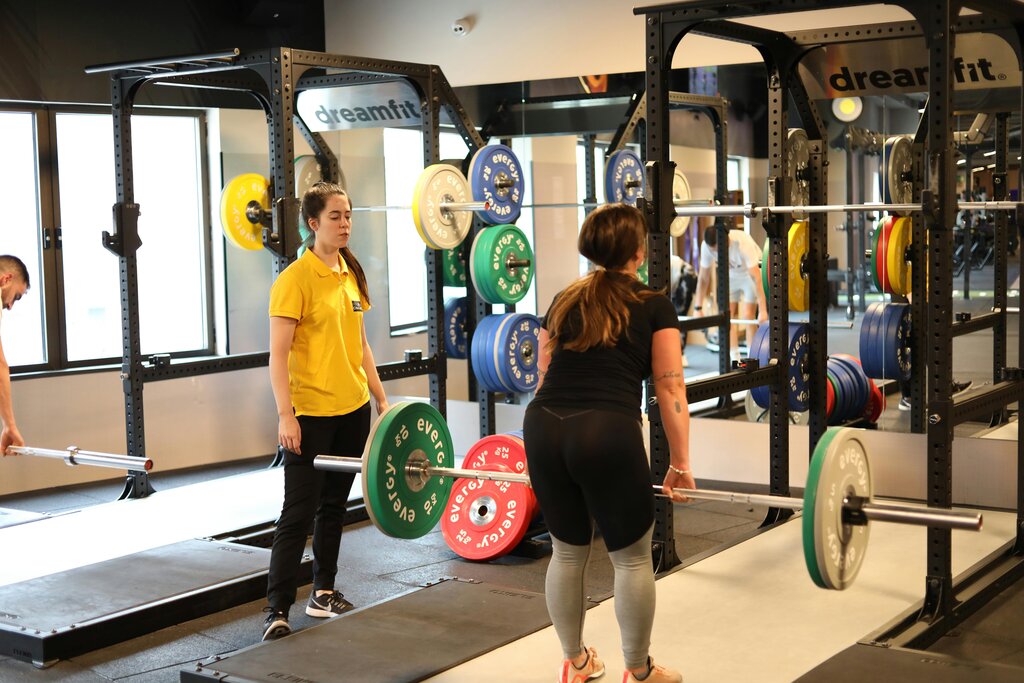
But the benefits go far beyond just building bigger muscles. When you consistently challenge your muscles, you kickstart a cascade of positive changes throughout your body.
First, you build more lean muscle mass. Muscle is metabolically active tissue, which means it burns calories even when you're at rest. The more muscle you have, the higher your resting metabolic rate, making it easier to manage your weight.
Strength training also puts stress on your bones, signaling your body to build them up stronger and denser. This is a powerful defense against osteoporosis, a condition that makes bones weak and brittle, especially as we age.
Finally, being stronger makes everyday life easier. Carrying groceries, lifting your kids, or just getting up from a chair all become less of a struggle. This is called functional fitness, and it’s a key component of staying independent and active throughout your life.
Busting Common Myths
Despite its benefits, strength training is surrounded by myths that can scare people away. Let's clear a few of them up.
Myth: Strength training will make me bulky.
This is one of the most common fears, especially among women. The truth is, building a large amount of muscle mass is incredibly difficult. It requires years of highly specific, intense training and a very particular diet. For most people, consistent strength training leads to a leaner, more toned physique, not a bulky one.
Myth: It's only for young athletes.
Strength training is beneficial at any age. In fact, it becomes even more important as we get older. We naturally lose muscle mass and bone density over time, and resistance training is the most effective way to counteract this decline. It helps maintain mobility, improve balance, and reduce the risk of falls.
The Rules of Getting Stronger
To get results safely and effectively, strength training follows a few key principles. You don’t need to be a scientist to understand them.
Progressive Overload
noun
The principle of gradually increasing the stress placed on your muscles over time to stimulate new growth and strength gains.
Imagine lifting the exact same five-pound dumbbell for the same number of repetitions, week after week. Your body would adapt quickly, and you’d stop seeing progress. Progressive overload means you have to keep challenging your muscles. This can mean lifting slightly heavier weights, doing more repetitions, or reducing your rest time between sets. This constant, gradual increase in demand is what tells your body it needs to get stronger.
Progressive overload is the cornerstone of strength training, dictating that in order to continually make gains in strength and muscle mass, you must gradually increase the demands placed on your muscles over time.
Next is the principle of specificity. This just means your body adapts specifically to the type of training you do. If you want to get better at squatting, you need to squat. If you want to improve your grip strength, you need to do exercises that challenge your grip. Your training should match your goals.
Finally, there's recovery. This might be the most overlooked principle. Your muscles don't get stronger during your workout; they get stronger while they're resting and repairing afterward. Pushing yourself hard every single day without adequate rest can lead to burnout and injury. Proper sleep, nutrition, and taking rest days are just as important as the training itself.
With these concepts in mind, you have the foundation for building a smart and effective fitness routine.