Build Strength Safely
Understanding Strength Training
What is Strength Training?
Strength training, also known as resistance training, is any physical activity designed to improve muscular fitness. It works by making your muscles contract against an external resistance. This resistance can come from dumbbells, barbells, weight machines, resistance bands, or even your own body weight.
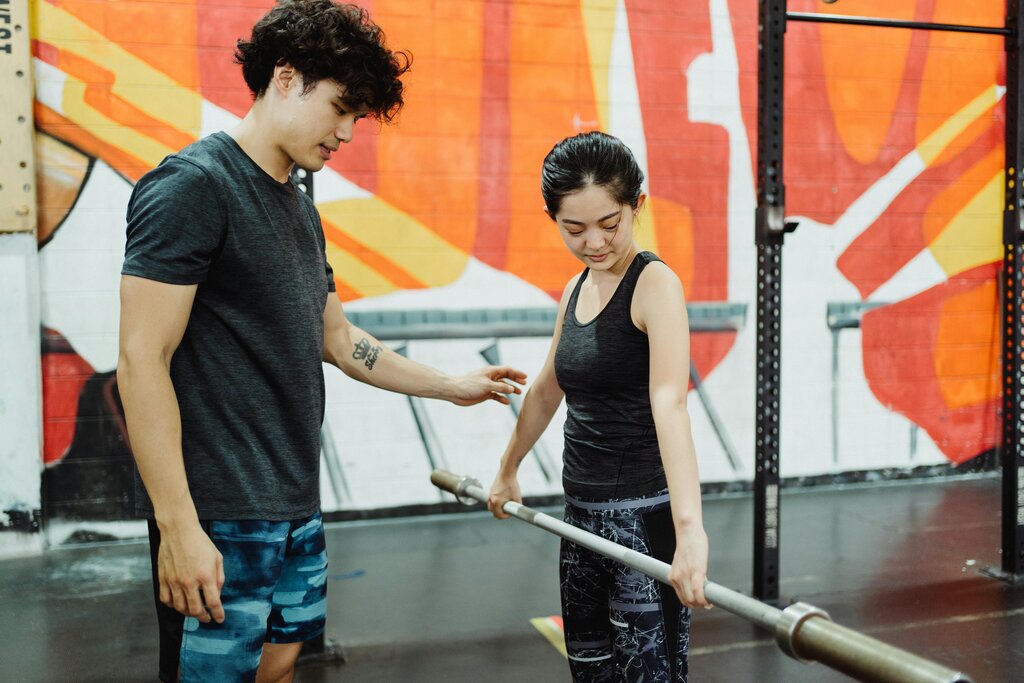
The goal is simple: to gradually increase the muscles' ability to exert force. You don’t have to lift heavy weights to see benefits. The key is consistency and challenging your muscles just enough to stimulate growth and adaptation.
More Than Just Big Muscles
The benefits of strength training go far beyond building a muscular physique. It’s a powerful tool for improving your overall health, from your bones to your brain.
One of the biggest advantages is its effect on your metabolism. Muscle tissue burns more calories at rest than fat tissue does. By increasing your muscle mass, you effectively increase your body's baseline calorie-burning rate. This makes it easier to manage your weight over the long term.
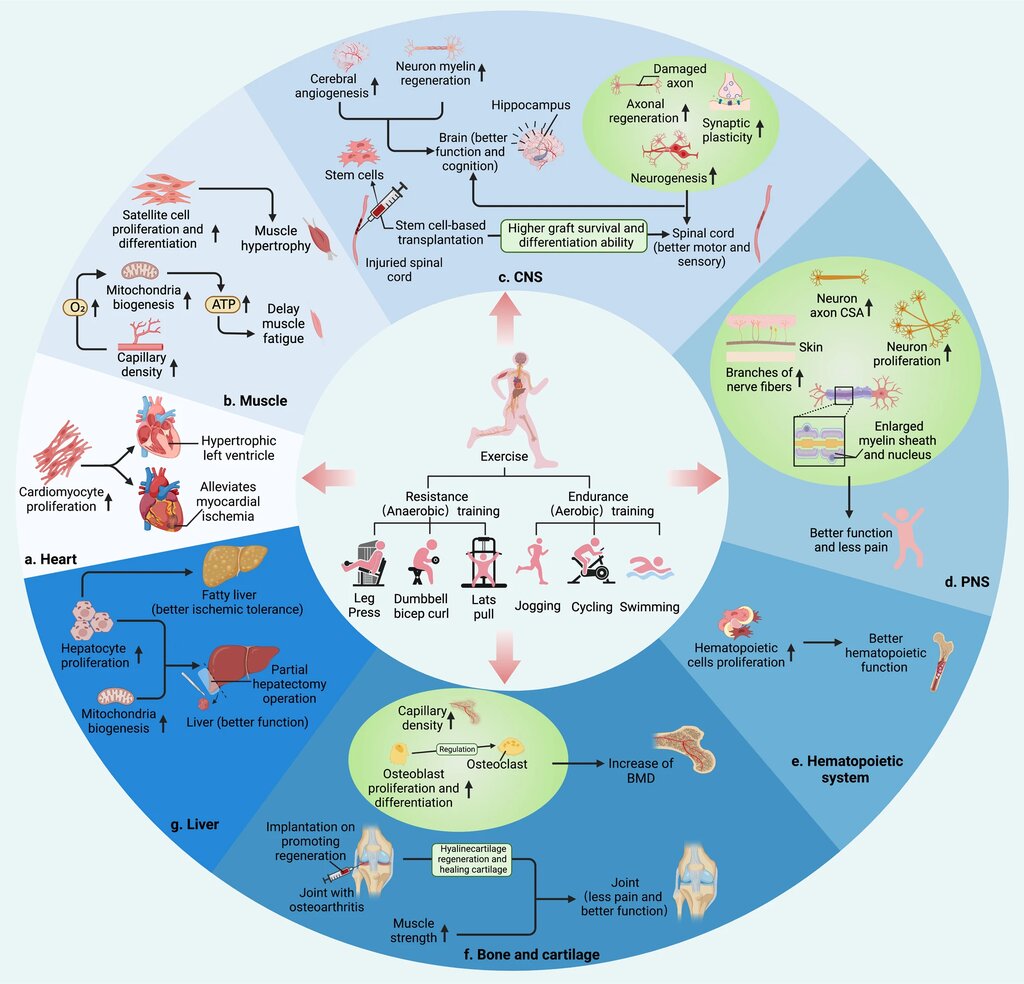
Strength training is also one of the best ways to build and maintain strong bones. When you lift weights, you put stress on your bones. This stress signals your body to build new bone tissue, increasing bone density and reducing the risk of osteoporosis later in life.
Think about it: carrying groceries, climbing stairs, and lifting your kids all require strength. Resistance training makes these everyday tasks feel easier.
The positive effects extend to your metabolic health, too. Regular resistance exercise can improve how your body uses insulin, which helps regulate blood sugar levels. It also boosts mental well-being, often leading to reduced symptoms of anxiety and depression, improved mood, and higher self-esteem.
Busting Common Myths
Many people are hesitant to start strength training because of a few persistent myths. Let's clear them up.
Myth: "Lifting weights will make me bulky." This is a common concern, particularly among women. The truth is, building a bodybuilder's physique requires an extremely specific, high-volume training regimen and a highly controlled, high-calorie diet. For most people, consistent strength training builds lean muscle, which results in a toned and defined look, not excessive bulk.

Myth: "I'm too old to start lifting weights." This couldn't be further from the truth. Strength training is arguably more important as we age. It helps counteract the natural age-related loss of muscle mass and bone density, a condition called sarcopenia. By staying strong, older adults can maintain their independence, improve balance, and reduce their risk of falls and fractures.
Strength training is an often overlooked but essential component that can elevate performance, potentially prevent injuries, and counteract age-related physical changes.
Of course, it's wise to start slowly, focus on proper form, and perhaps consult with a doctor or physical therapist if you have pre-existing health conditions. But age itself is not a barrier; it's a reason to begin.
Now that you understand the what and why of strength training, let's test your knowledge.