Build Strength Safely
Understanding Strength Training
What Is Strength Training?
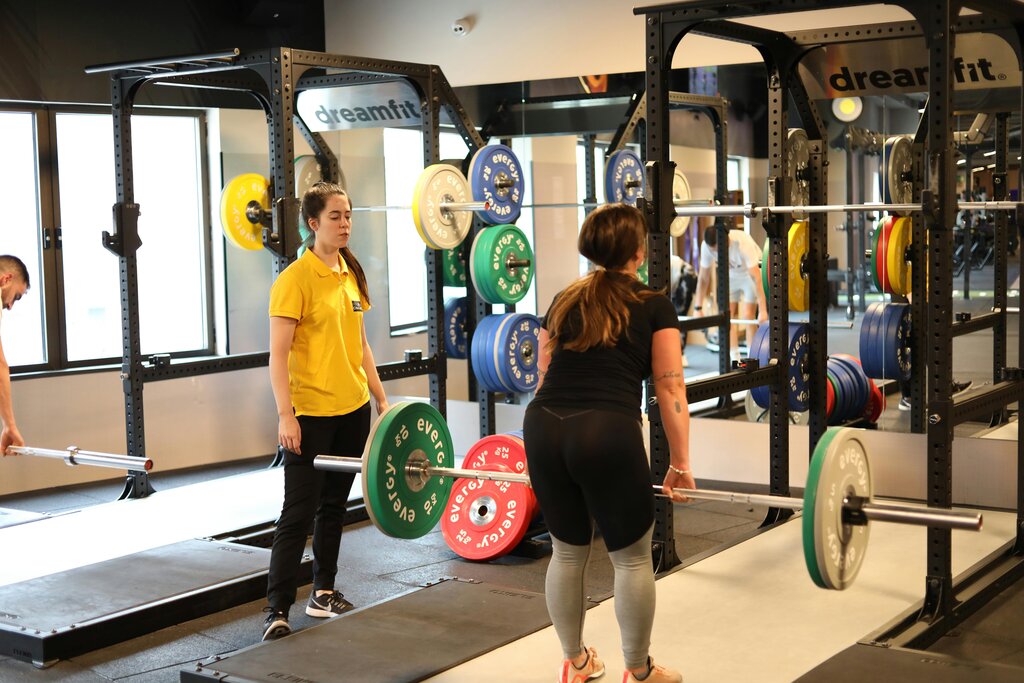
At its core, strength training is any physical activity that uses resistance to make your muscles work. This resistance forces your muscles to contract, and over time, these contractions lead to increases in strength, endurance, and size.
Strength Training
noun
A type of physical exercise specializing in the use of resistance to induce muscular contraction, which builds the strength, anaerobic endurance, and size of skeletal muscles.
Think of it as challenging your muscles to overcome a force they're not used to. This challenge is the signal that tells your body to adapt and grow stronger. It's not just about lifting heavy weights in a gym; it’s about applying a principle of resistance to improve your body’s capabilities.
More Than Just Muscle
The benefits of strength training extend far beyond bigger biceps. When you build muscle, you're also upgrading your body's engine. Muscle tissue is metabolically active, which means it burns calories even when you're resting. The more muscle mass you have, the higher your resting metabolic rate, making it easier to manage your weight.
Strength training also puts stress on your bones. This might sound bad, but it's actually a good thing. This mechanical stress signals your body to build more bone tissue, increasing bone density. Stronger bones are less likely to fracture, which is especially important as we age.
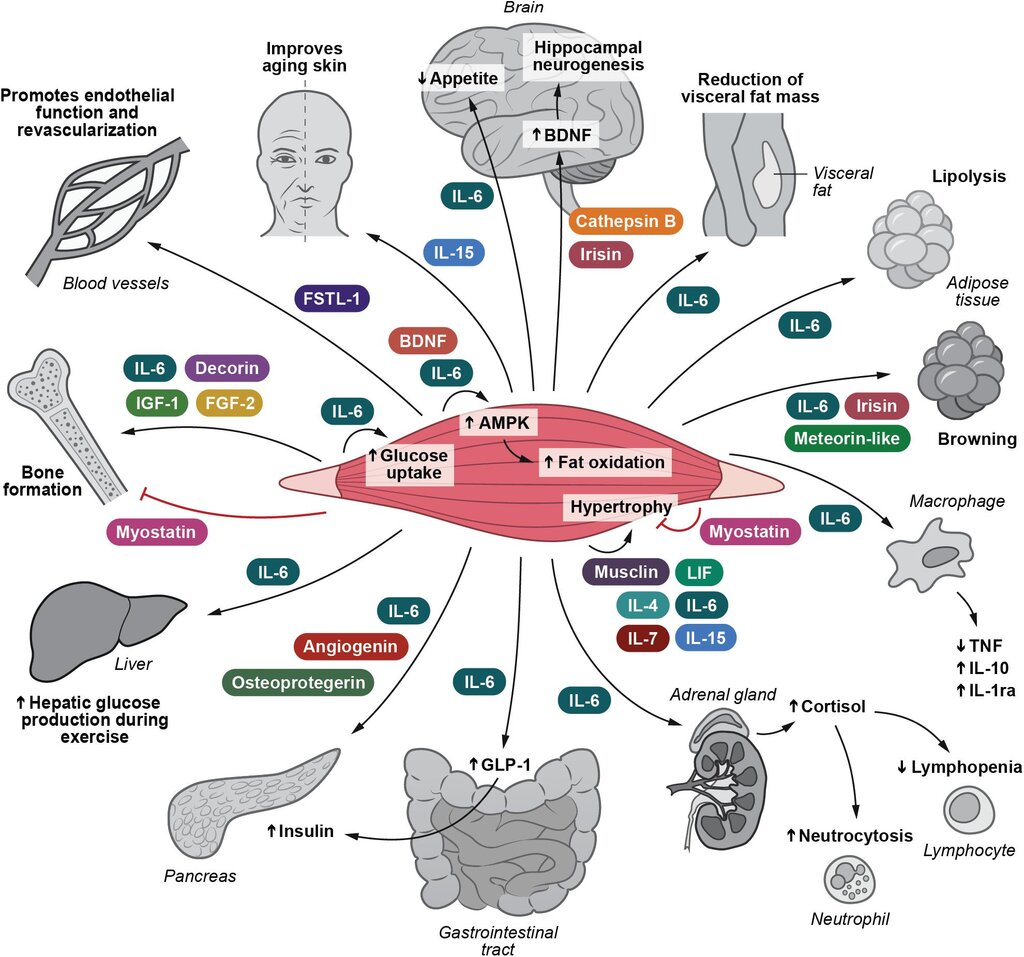
Building muscle is a proactive way to invest in your long-term health, strengthening both your skeleton and your metabolism.
Common Myths Debunked
Many people are hesitant to start strength training because of a few persistent myths. Let's clear them up.
One common fear, especially among women, is getting "too bulky." The reality is that building a large amount of muscle requires very specific and intense training, along with a high-calorie diet and hormonal support. For most people, strength training creates a lean, toned physique, not a bodybuilder's frame.
Another misconception is that strength training is only for the young and athletic. This couldn't be further from the truth. It's safe and beneficial for people of all ages and fitness levels. In fact, it's one of the best ways to combat age-related muscle and bone loss.

Finally, there's the fear of injury. While any physical activity carries some risk, strength training is remarkably safe when done with proper form. Learning the correct technique for each exercise is key. By strengthening the muscles and connective tissues around your joints, strength training actually makes you more resilient and less prone to injury in your daily life.
Strength training is an often overlooked but essential component that can elevate performance, potentially prevent injuries, and counteract age-related physical changes.
Your Toolkit for Strength
You don't need a fancy gym membership to start strength training. There are many ways to create resistance, each with its own advantages.

Free Weights: This category includes dumbbells, barbells, and kettlebells. They're versatile and effective because they force you to use stabilizer muscles to control the weight, leading to more functional strength.
Machines: Weight machines guide your body through a fixed range of motion. This can be great for beginners who are learning proper form or for isolating specific muscle groups safely.

Resistance Bands: These are lightweight, portable, and surprisingly challenging. They provide continuous tension throughout an exercise and are excellent for both strength and rehabilitation work.
Bodyweight Exercises: The simplest form of strength training uses your own body as resistance. Exercises like push-ups, squats, planks, and pull-ups are incredibly effective and can be done anywhere, anytime. They build a great foundation of functional strength.

Each of these tools can help you get stronger. The best one is the one you'll use consistently and safely.
Ready to check your understanding? Let's see what you've learned.
What is the fundamental principle behind strength training?
How does strength training positively affect your metabolism?
By understanding these core principles, you can approach strength training with confidence, knowing you're building a stronger, healthier body from the inside out.