Build Strength Safely
Understanding Strength Training
What is Strength Training?
Strength training, also called resistance training, is any exercise that causes your muscles to contract against an external resistance. This resistance can come from dumbbells, barbells, weight machines, resistance bands, or even your own body weight.

The goal is simple: to increase muscular strength, endurance, and size. When you consistently challenge your muscles, they adapt by becoming stronger and more capable. This isn't just about lifting the heaviest weight possible; it's about controlled movements that place a demand on your muscles, prompting them to grow and adapt.
More Than Just Big Muscles
While building muscle is a primary outcome, the benefits of strength training reach far beyond aesthetics. It's a cornerstone of long-term health.
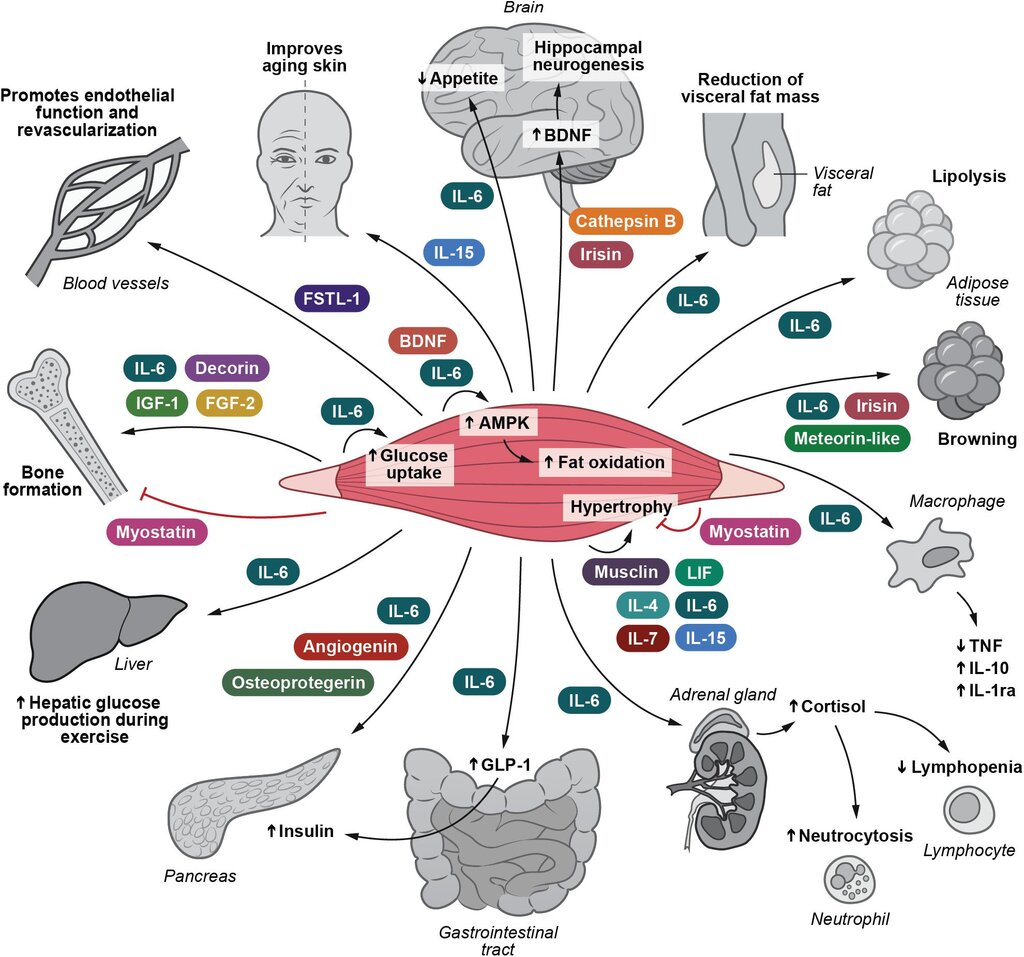
One of the most important benefits is its effect on bone density. Just as muscles get stronger under tension, so do bones. The stress from resistance exercise signals your body to build stronger, denser bones, which is a powerful defense against osteoporosis later in life.
Strength training also revs up your metabolism. Muscle tissue is more metabolically active than fat tissue, meaning it burns more calories even when you're at rest. Building and maintaining muscle helps you manage your weight more effectively.
Finally, it builds functional strength, which is the strength you use in everyday life. From carrying groceries and lifting children to climbing stairs, a stronger body makes daily tasks easier and reduces the risk of injury.
Strength training teaches your body to handle life's physical demands with greater ease and resilience.
How Your Body Gets Stronger
When you lift weights or perform resistance exercises, you're creating tiny, microscopic tears in your muscle fibers. This might sound bad, but it's a natural and necessary part of the process. In response, your body repairs these fibers and adds new proteins, making them thicker and stronger than before. This process is called muscle hypertrophy, and it's how muscles grow in size.
But that's not the only way you get stronger, especially when you're just starting out. Your nervous system also plays a huge role. In the first few weeks of a new program, most of your strength gains come from neuromuscular adaptations. Your brain becomes more efficient at sending signals to your muscles, learning to recruit more muscle fibers at once and coordinate their contractions more effectively.
Think of your brain as a manager and your muscle fibers as employees. At first, the manager might only be able to get a few employees working on a task. With practice, the manager learns how to mobilize the entire team, making the group's effort much more powerful, even before hiring any new employees (building new muscle).
Busting Common Myths
Several misconceptions prevent people from trying strength training. Let's clear a few of them up.
Myth: Strength training will make me bulky. Achieving a bulky, bodybuilder-like physique requires years of highly specific, intense training and a very controlled diet. For most people, especially women, who have lower levels of testosterone, regular strength training builds lean, toned muscle, not excessive bulk.
Myth: It's only for young people. Strength training is arguably more important as we age. We naturally lose muscle mass over time, a condition called sarcopenia, which can lead to weakness and instability. Resistance training is the most effective way to combat this, helping older adults maintain their independence, strength, and balance.
Myth: You need a gym and heavy weights. While gyms offer a wide variety of equipment, you can get an excellent strength workout at home. Exercises that use your own body weight, like push-ups, squats, and planks, are incredibly effective. Simple tools like resistance bands can also add a challenge without needing a full weight rack.
Calisthenics training is a safe, proven way to build functional strength—the kind you need to schlep groceries, pick up a toddler, or sprint for the 7:40 train without tweaking your hamstring.
Incorporating strength training into your routine is a powerful investment in your health. Now that you understand the core principles, let's test your knowledge.
What is the primary physiological process responsible for the increase in muscle size from strength training?
During the first few weeks of a new resistance training program, where do most of an individual's strength gains come from?