Build Strength and Stay Consistent
Strength Training Basics
What Is Strength Training?
Strength training, also known as resistance training, is any physical activity designed to improve muscular fitness by exercising a muscle or a muscle group against external resistance. The goal is simple: to make your muscles stronger.
This doesn't just mean building bigger muscles. The benefits run much deeper. Regular strength training can increase bone density, boost your metabolism, and improve your balance and coordination. Everyday tasks, like carrying groceries or lifting a suitcase, become easier and safer.
How Muscles Get Stronger
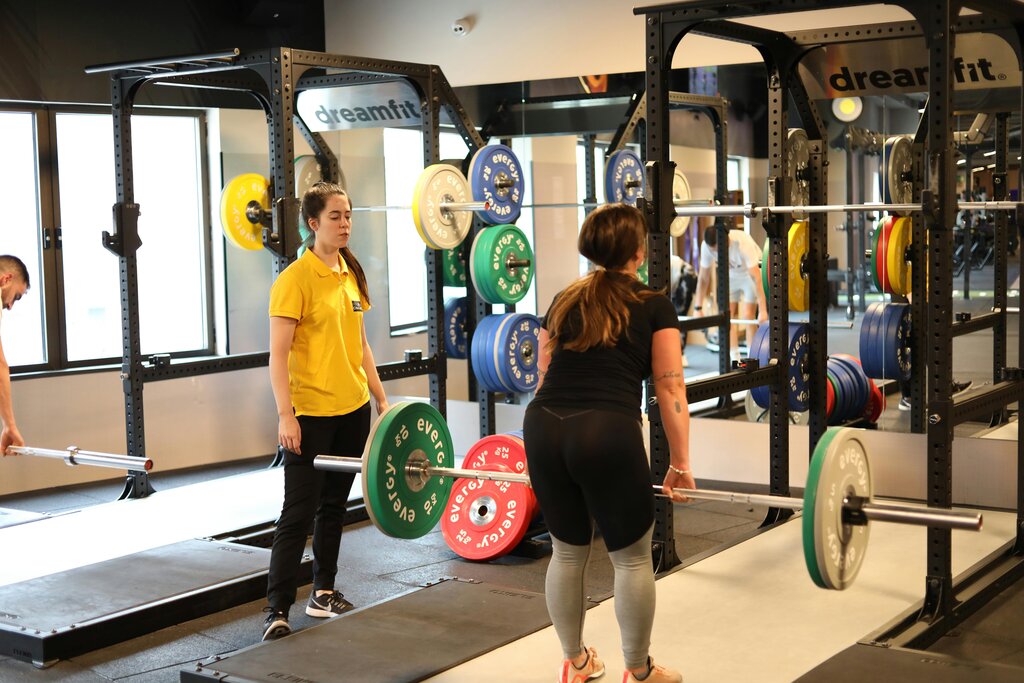
When you challenge your muscles with more resistance than they're used to, you create tiny, microscopic tears in the muscle fibers. This might sound bad, but it's a natural and necessary part of the process. After your workout, your body gets to work repairing these fibers. It doesn't just patch them up; it rebuilds them thicker and stronger than before to better handle that stress in the future. This process of muscle growth is called hypertrophy.
Hypertrophy
noun
The enlargement of an organ or tissue from the increase in size of its cells.
For muscles to keep growing, they need to be challenged continuously. If you always lift the same amount of weight for the same number of repetitions, your body will adapt and have no reason to grow stronger. The key is progressive overload.
Progressive overload means gradually increasing the stress placed on your muscles over time. You can do this by lifting heavier weights, doing more repetitions or sets, or reducing rest time between sets.
The Building Blocks of Movement
A balanced routine works all the major muscle groups. While a detailed anatomy lesson isn't necessary, it helps to know the basics:
- Legs: Quads, hamstrings, glutes, and calves.
- Back: Lats, traps, and lower back muscles.
- Chest: Pectorals.
- Shoulders: Deltoids.
- Arms: Biceps and triceps.
- Core: Abdominals and obliques.
Exercises that target these muscles generally fall into two categories: compound and isolation.

Compound exercises are multi-joint movements that work several muscle groups at once. They're incredibly efficient and mimic real-world movements. A squat, for example, engages your quads, glutes, hamstrings, and core all at the same time.
Isolation exercises, on the other hand, are single-joint movements that target one specific muscle group. Think of a bicep curl, which focuses almost entirely on the biceps. These are great for addressing weaknesses or focusing on a particular muscle.
| Feature | Compound Exercises | Isolation Exercises |
|---|---|---|
| Muscles Worked | Multiple groups at once | One specific group |
| Efficiency | High (more work in less time) | Lower (targets one area) |
| Examples | Squats, Deadlifts, Push-ups | Bicep Curls, Leg Extensions |
| Best For | Building overall strength | Targeting specific muscles |
Tools of the Trade
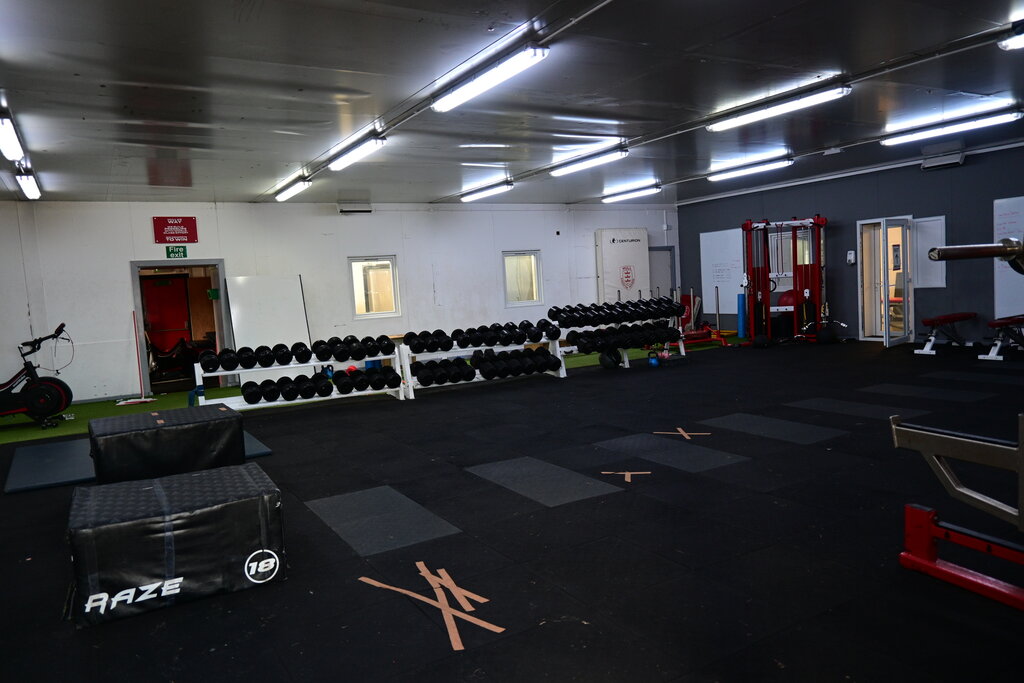
You don't need a fancy gym to start strength training. The
Here are some common tools:
- Bodyweight: Using your own body as resistance is a perfect starting point. Exercises like push-ups, squats, and planks build a solid foundation of strength.
- Free Weights: This category includes dumbbells, barbells, and kettlebells. They aren't fixed to a machine, so they force you to use stabilizer muscles to control the movement, which is great for building functional strength.
- Machines: Equipment like the leg press or chest press machine guides your movement along a fixed path. This can make them safer for beginners learning a new movement or for isolating a muscle without worrying about balance.
- Resistance Bands: These large elastic bands are versatile, portable, and provide resistance that increases as they are stretched. They are excellent for warm-ups, assistance, or adding a different type of challenge to exercises.
Now that you understand the basic principles, you're ready to start thinking about putting them into practice. Let's review the key terms we've covered.
Ready to test your knowledge?
What is the biological process responsible for muscle growth as a result of strength training?
Which of the following is the best example of a compound exercise?
Understanding these fundamentals is the first step toward building a safe and effective strength training routine. By applying these concepts, you can create a plan that helps you get stronger and achieve your fitness goals.