Build Apps Without Code
Introduction to No-Code Development
Building Software Without Code
Traditionally, creating a website, an app, or a piece of software required a specialized skill: programming. It meant learning complex languages and writing line after line of code. No-code development changes that. It's an approach that allows anyone to build applications using visual tools and pre-built components, much like assembling furniture from a kit instead of milling the wood yourself.
No-code platforms have made it possible for students, entrepreneurs, freelancers, and creators to build and test real digital products—without writing a single line of code.
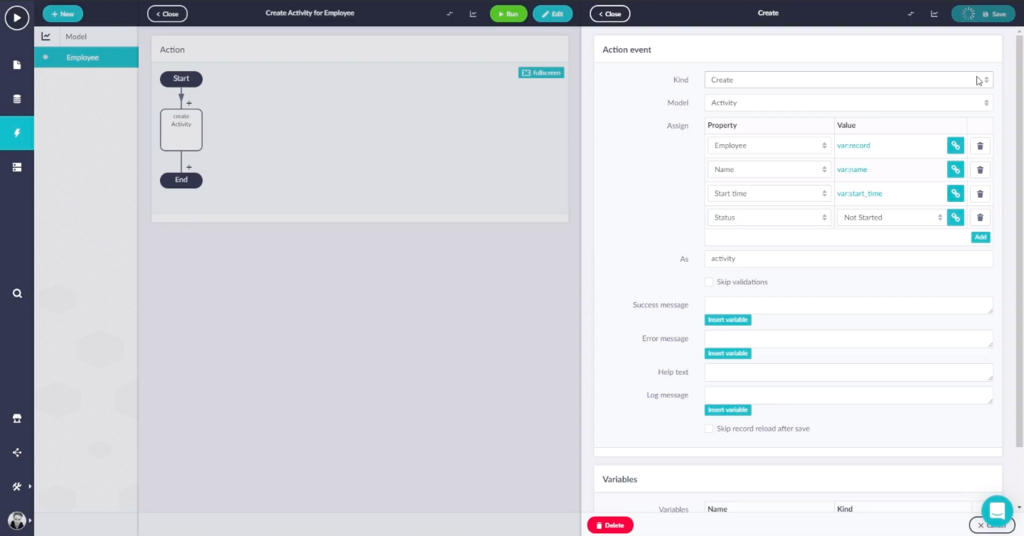
Instead of a blank text editor, you get a drag-and-drop interface. You piece together blocks of functionality, define how they interact, and design the user experience visually. The platform handles the complex code generation behind the scenes, turning your visual design into a fully functional application.
Key Advantages
The shift to no-code opens up software creation to a much wider audience. When you remove the barrier of coding, you unlock several key benefits.
First, it dramatically increases accessibility. Ideas are no longer limited to those who can code or afford to hire developers. Marketers, designers, small business owners, and entrepreneurs can now build their own tools and bring their ideas to life.
Second, development becomes much faster. Building with visual blocks is quicker than writing, testing, and debugging code manually. This speed allows for rapid prototyping and iteration, letting creators test ideas in the market much sooner.
With a no-code development platform, you can launch your app in days or weeks instead of months or years.
Finally, no-code is often more cost-effective. It reduces the reliance on large, specialized development teams, lowering the financial barrier to entry for new projects and businesses. This allows for more experimentation and innovation without the risk of a massive upfront investment.
The No-Code Evolution
The idea of empowering non-programmers isn't new. In the 1980s, spreadsheets like VisiCalc and Lotus 1-2-3 let people perform complex calculations and data modeling without writing a single line of code. Similarly, early desktop publishing software gave individuals the power to design layouts that once required a professional typesetter.
These tools were the spiritual ancestors of today's no-code movement. The true catalyst, however, was the rise of the internet and cloud computing. As more of our lives moved online, the demand for web applications soared. Early website builders in the late 90s and 2000s were a first step, but modern no-code platforms are far more powerful.
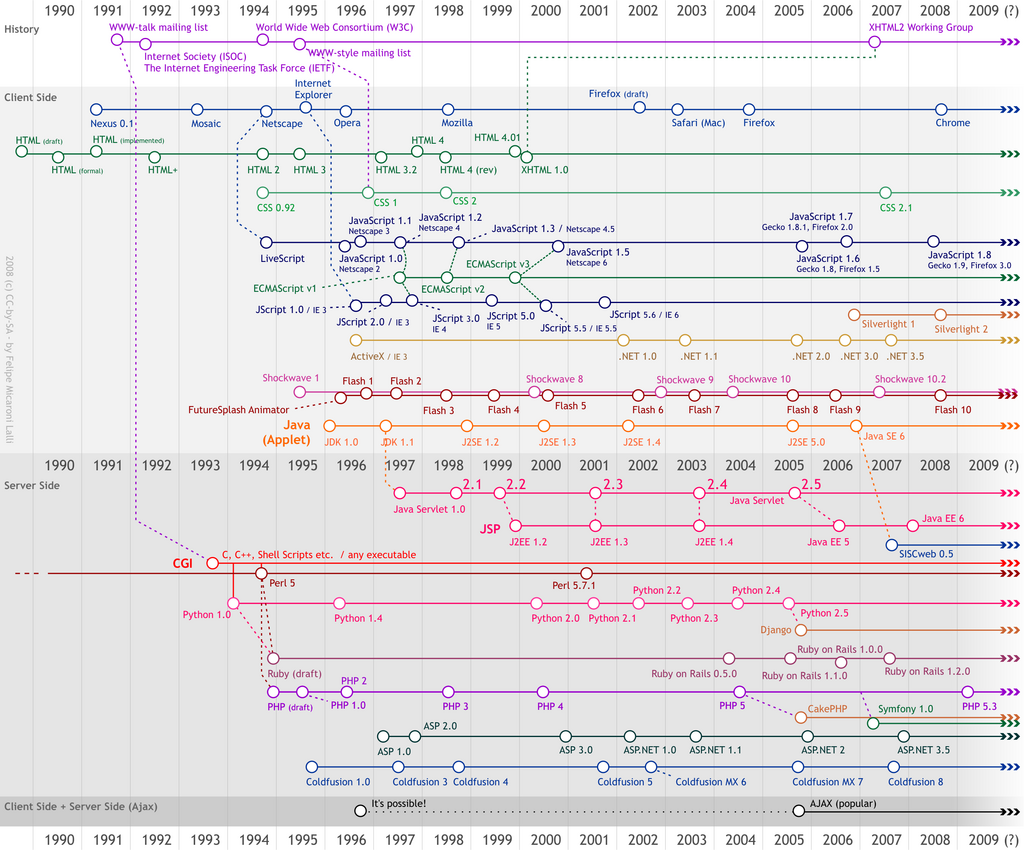
They leverage the power of the cloud to handle hosting, security, and scalability, allowing creators to build sophisticated applications for databases, workflow automation, and customer management with surprising ease.
A New Era for Software
The rise of no-code is fundamentally changing the software industry. It's not about replacing developers; it's about expanding who gets to be a creator. Developers can use these tools to build and deploy faster, while business experts can create the specific tools they need without waiting for engineering resources.
This shift democratizes technology. It creates a world where the person with the best understanding of a problem—whether in marketing, finance, or operations—can build the solution themselves. The result is more tailored software, faster innovation, and a more empowered workforce.
What is the fundamental principle of no-code development?
Which of the following is identified as a major benefit of adopting no-code platforms?