Build and Deploy AI Agents
Introduction to AI Agents
What Is an AI Agent?
An AI agent is a program that can sense its environment, make decisions, and take actions on its own to achieve a specific goal. Think of it as an autonomous entity that can operate without constant human guidance.
An agent perceives, thinks, and acts.
This might sound complex, but you've likely encountered AI agents already. A smart thermostat is a simple one. It senses the room's temperature, decides if it matches your desired setting, and then acts by turning the heat or air conditioning on or off. A Roomba vacuum is another example. It senses walls and furniture, decides on a path, and acts by moving around to clean the floor.
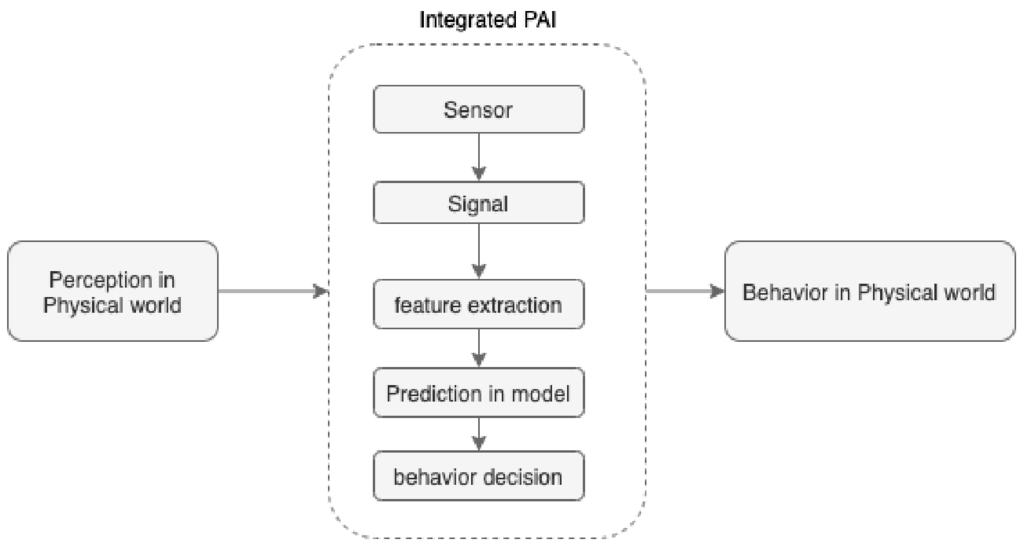
These agents can range from incredibly simple to highly sophisticated. What unites them is this core loop of sensing, thinking, and doing.
The Core Components
Every AI agent, regardless of its complexity, is built on three fundamental components that work together in a continuous cycle.
1. Perception This is how an agent gathers information about its environment. It uses sensors to “see” or “hear” the world around it. For a self-driving car, sensors include cameras, radar, and LiDAR. For a voice assistant like Siri or Alexa, the sensor is a microphone that picks up your voice.
2. Decision-Making This is the agent's “brain.” After perceiving its environment, the agent processes that information to decide what to do next. This can be based on simple pre-programmed rules (e.g., if temperature is below 68°F, then turn on heat) or complex reasoning powered by a large language model (LLM). The goal is to choose the action that will best help it achieve its objective.
3. Action Once a decision is made, the agent executes it through actuators. Actuators are the parts of an agent that affect the environment. For a robot, actuators could be motors that move its arms and legs. For a chatbot, the actuator is the mechanism that generates and displays text on your screen.
Types of AI Agents
Not all agents are created equal. They are often categorized based on how they make decisions. Here are a few common types, from the simplest to the more advanced.
| Agent Type | How It Works | Example |
|---|---|---|
| Simple Reflex Agents | Acts only on the current situation based on if-then rules. | A thermostat that turns on the heat when it gets cold. |
| Model-Based Agents | Keeps track of the state of the world. It uses an internal model to understand how its actions affect the environment. | A self-driving car that remembers a pedestrian is hidden behind a bus and acts cautiously. |
| Goal-Based Agents | Knows its goal and chooses actions to achieve it. It considers the future consequences of its actions. | A GPS navigation system finding the best route to your destination. |
| Learning Agents | Can learn from its experiences and improve its performance over time. | An AI opponent in a video game that adapts to your playstyle and becomes more challenging. |
As you move down the table, each type of agent becomes more intelligent and autonomous, capable of handling more complex and unpredictable situations.
Where We See AI Agents
AI agents are no longer just concepts in science fiction; they're integrated into many parts of our daily lives and industries.
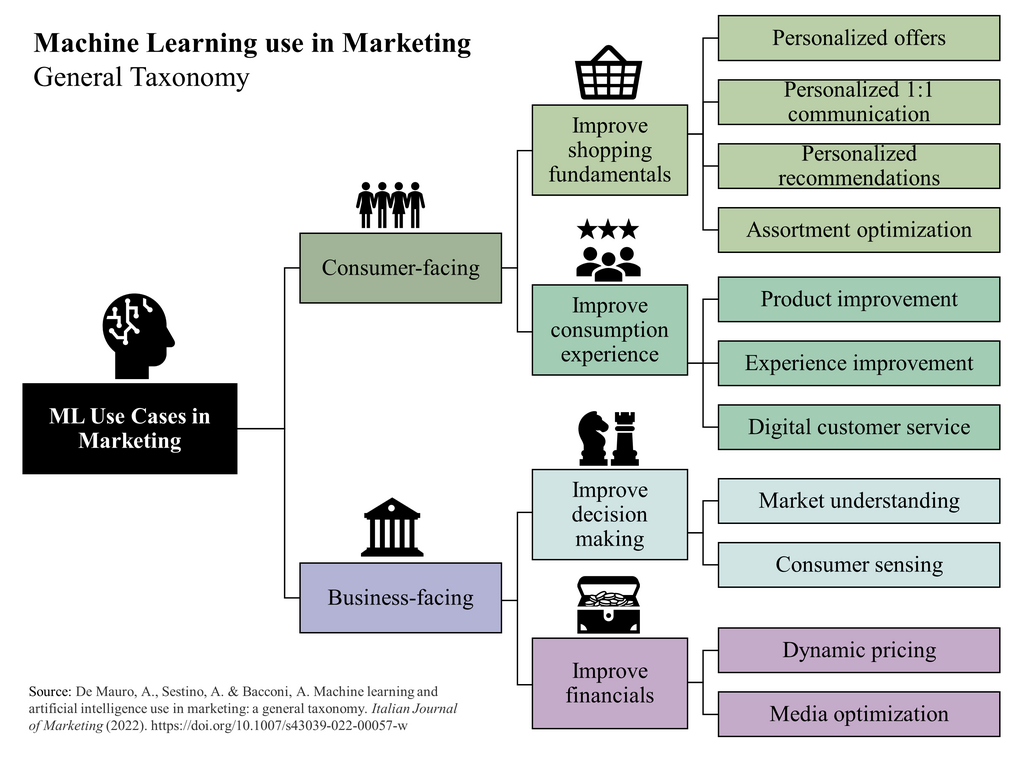
In automation, agents manage tasks like sorting emails, scheduling meetings, or even controlling manufacturing robots on an assembly line. They handle repetitive, rule-based work so humans can focus on more creative problems.
In robotics, agents are the minds that power physical robots. From warehouse robots that fetch and carry packages to rovers exploring Mars, these agents combine perception of the physical world with intelligent action.
Virtual assistants are perhaps the most common agents we interact with. When you ask a smart speaker for the weather or tell your phone to set an alarm, you are giving a command to an AI agent designed to understand language and perform helpful tasks.
They're also crucial in gaming, finance, and healthcare, where they can do everything from controlling non-player characters to detecting fraudulent transactions or analyzing medical scans.
What is the primary function of an AI agent?
A smart thermostat senses that the room temperature has dropped below your desired setting and turns on the heat. The mechanism that turns on the heat is known as the ____.
AI agents are the building blocks of modern artificial intelligence, turning passive programs into active participants in our world.