Build a Smart Gas Meter
Introduction to Smart Gas Metering
The Next Generation of Gas Meters
For over a century, the gas meter at the side of your house did one simple job: measure how much gas you used. A utility worker would visit every month or so, read the dials, and you’d get a bill. This system worked, but it was a one-way street of information.
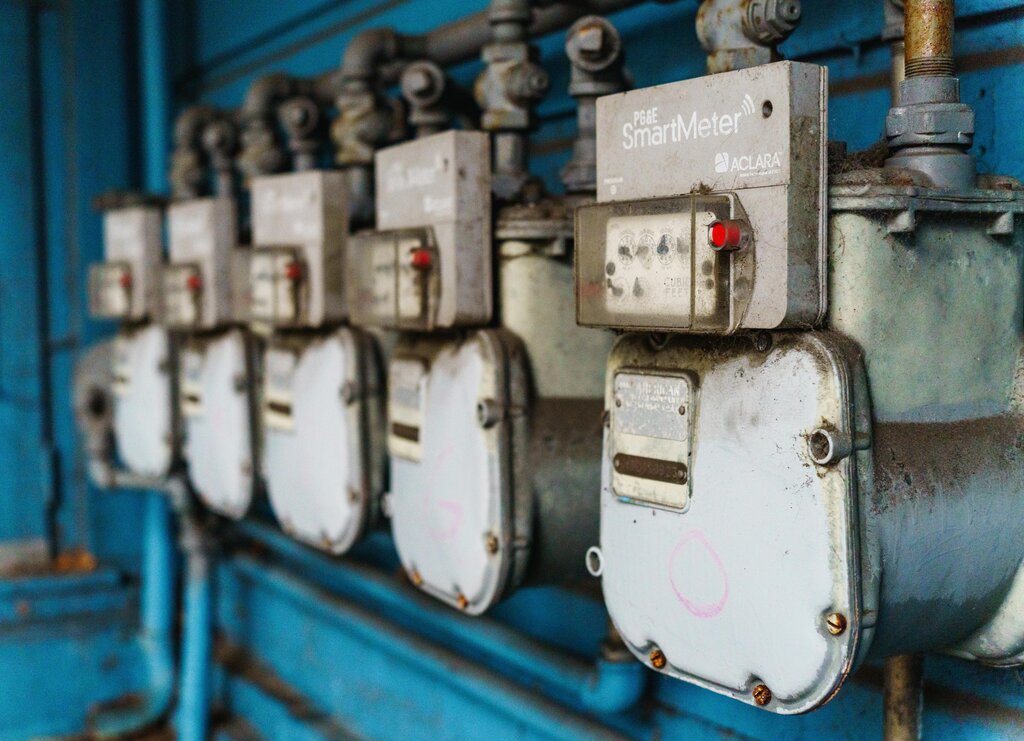
Smart gas meters change that. They don't just measure your gas usage; they communicate it. A smart meter is a digital device that records your gas consumption in real-time and automatically sends that information back to your utility company. This two-way communication is the key difference, transforming a simple measuring device into an active part of the energy grid.
Why Go Smart?
This shift from manual to automatic data collection brings several powerful benefits for both consumers and utility providers.
The most immediate advantage is the end of estimated bills. Your bill reflects exactly what you used, eliminating surprises and the need for corrections later.
Real-time data also empowers you to manage your energy consumption more effectively. By seeing how much gas you use and when, you can make informed decisions to reduce waste and lower your bills. For utility companies, this steady stream of data helps them manage the gas grid more efficiently, predict demand, and respond to outages faster.
Perhaps the most critical improvement is safety. Many smart meters can detect unusual gas flow, which could indicate a leak. Some models are even equipped with automatic shut-off valves that can stop the flow of gas in an emergency, providing a level of protection that was impossible with older, mechanical meters.
How They Work
While the technology is advanced, the core components of a smart meter are straightforward. Each device contains three key parts working together.
Sensors
noun
The parts that physically measure the volume of gas passing through the meter. Modern sensors, often using ultrasonic technology, provide highly accurate measurements.
A microcontroller acts as the meter's brain. It takes the raw data from the sensors, processes it into a readable format (like cubic feet or cubic meters), and stores it. It's a tiny computer dedicated to managing the meter's operations.
Finally, a communication module serves as the meter's connection to the outside world. This module, often using a secure, low-power radio frequency network similar to a cellular signal, transmits the usage data to the utility company. It's the component that makes the meter 'smart,' enabling the two-way flow of information.
Time to check your understanding of smart gas meters.
What is the primary feature that distinguishes a smart gas meter from a traditional one?
Which component in a smart meter is responsible for processing sensor data and managing the meter's operations?
These components work in unison to provide an accurate, safe, and efficient way to manage gas consumption, paving the way for a more responsive and intelligent energy infrastructure.