Build a Professional Cake E-Commerce Website
System Architecture Design
The E-commerce Blueprint
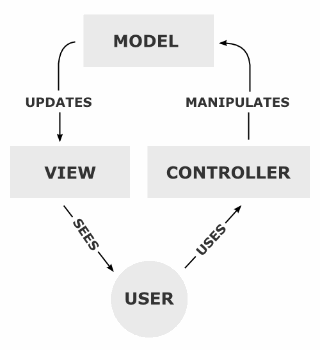
When building an online cake shop, you don't just start throwing ingredients together. You need a recipe and a plan for your kitchen. In software, this recipe is our architecture. We'll use a classic pattern called (MVC) to organize our code, ensuring our application is as well-structured as a multi-layered cake.
Imagine a customer walks into your shop. They see the cakes on display (the View). They tell the baker at the counter what they want (interacting with the Controller). The baker checks the recipe book and ingredient stock (the Model) to fulfill the order. MVC works the same way, keeping the user interface, the business rules, and the data management separate and tidy. This separation makes the application easier to build, test, and maintain as your business grows.
Structuring the Project
To bring our cake shop to life, we'll use a powerful framework that simplifies building Java applications. It provides a sensible default configuration, letting us focus on the unique features of our store. When you create a new Spring Boot project using a build tool like Maven or Gradle, you get a standard directory structure. This is like setting up the different stations in your kitchen: one for mixing, one for baking, and one for decorating.
Our code will be organized into specific packages, each with a clear purpose. This is our layered architecture.
A layered architecture is like stacking a cake. Each layer has its own job but works with the others to create the final product. The presentation layer (frosting) is what the user sees, while the business logic and data layers (cake and filling) do the heavy lifting underneath.
The Controller layer is the front counter. It accepts incoming web requests. The Service layer contains the core business logic, like calculating the price of a custom cake with extra frosting. The Repository (or Persistence) layer is responsible for all communication with the database, like retrieving cake details or saving a new order.
From Browsing to Checkout
Let's map a customer's journey through our cake shop to the backend architecture. Every action a user takes on the website corresponds to a call to one of our API endpoints, which is handled by a Controller.
| User Action | HTTP Request | API Endpoint | Controller Method | Service Logic |
|---|---|---|---|---|
| Views all cakes | GET | /api/cakes | getAllCakes() | Fetch all cake records from the database. |
| Selects one cake | GET | /api/cakes/{id} | getCakeById(id) | Fetch a specific cake's details. |
| Customizes a cake | POST | /api/orders/calculate | calculatePrice(cakeDetails) | Apply rules for size, flavor, toppings to determine cost. |
| Places an order | POST | /api/orders | createOrder(orderDetails) | Validate the order, save it to the database, and trigger a confirmation. |
Consider the logic for customizing a cake. The user selects a sponge type, a filling, a size, and adds a personal message. This request hits the calculatePrice endpoint. The controller passes this information to the OrderService. The service then applies the business rules: a chocolate sponge costs $2 more, a larger size adds 25% to the base price, and a custom message is an extra $5. The service calculates the final price and sends it back. This logic lives entirely in the service layer, keeping the controller clean and the data layer focused only on data. This separation is key to building a scalable and maintainable application.
In the Model-View-Controller (MVC) pattern, which component is analogous to the baker checking the recipe book and ingredient stock in a cake shop?
In a layered Spring Boot architecture, where should the logic for calculating the final price of a custom cake, including extra costs for special ingredients, be placed?
By designing our system with these distinct layers and mapping user actions to clear API endpoints, we create a robust foundation for our e-commerce platform. This structure allows us to add new features or change existing ones with minimal disruption, just like adding a new cake to the menu without redesigning the whole kitchen.