Build a MFT Style Workbench
Understanding Aluminum Extrusion Profiles
The Perfect Building Block
When you think about building something sturdy, you might picture wood beams or steel frames. But for modern workbenches, there’s another material that offers a unique blend of benefits: aluminum extrusion.
So, what is it? Extrusion is a process where a material, in this case, aluminum alloy, is pushed through a die with a specific cross-sectional profile. Imagine squeezing toothpaste out of a tube. The shape of the opening determines the shape of the toothpaste stream. It's the same principle, but with hot aluminum and a steel die. This process allows for the creation of complex shapes with incredible precision.
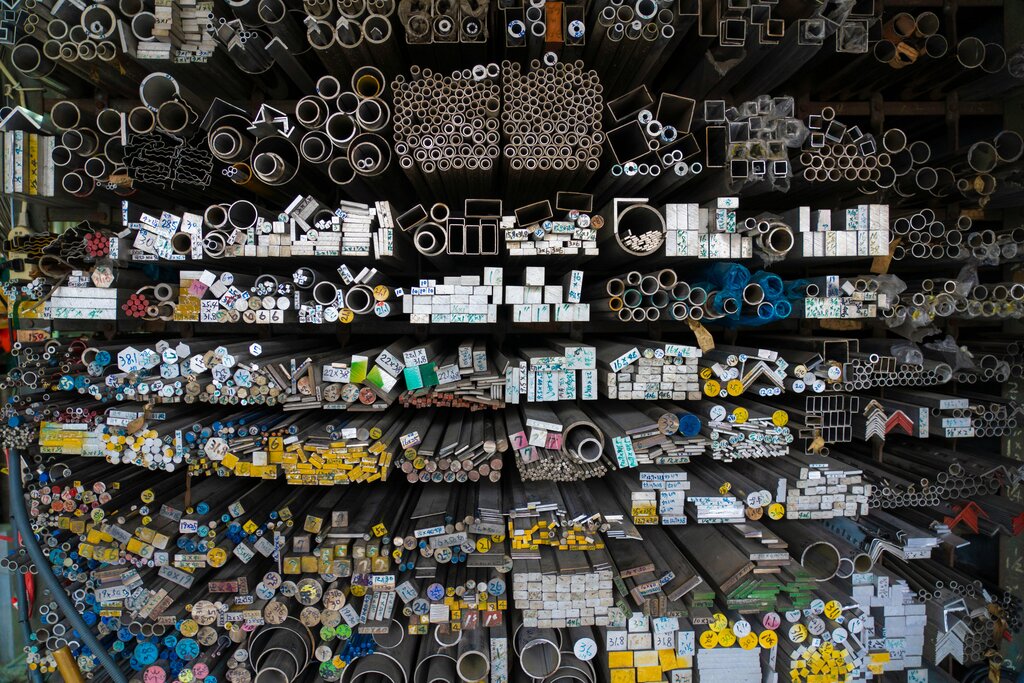
Aluminum itself has fantastic properties for a workshop environment. It's incredibly lightweight, especially compared to steel, making your workbench easier to move or reconfigure. Despite its low weight, it has an excellent strength-to-weight ratio. Finally, aluminum naturally forms a protective oxide layer, making it highly resistant to rust and corrosion. You won't have to worry about spills or humidity damaging the frame of your bench.
The Magic of T-Slots
While you can find aluminum extrusions in simple shapes like squares and rectangles, the real game-changer for workbench construction is the T-slot profile. These extrusions have a T-shaped channel running along one or more sides. This slot isn't just for looks; it's a highly functional feature that unlocks incredible modularity.
The channel is designed to accept special hardware, like T-nuts and T-bolts. A T-nut can be slid into the channel and then turned 90 degrees to lock in place. Once it's locked, you can thread a bolt into it to attach almost anything you can imagine to the frame: shelves, tool holders, vices, fences, or even other pieces of extrusion.
This system means you don't need to drill holes or weld joints. Assembly is as simple as sliding a nut into a channel and tightening a bolt with a hex key. This makes building your workbench fast and straightforward, but more importantly, it makes it endlessly adaptable.
With a T-slot frame, your workbench is never truly finished. It can evolve as your projects and needs change.
Need to add a shelf for your new drill press? Just add two more lengths of extrusion. Want to mount a power strip along the front? Attach it with a couple of T-nuts and brackets. This modularity is the key reason T-slot aluminum extrusions are the preferred choice for custom machine frames, automation systems, and, of course, the ultimate DIY workbench.
Aluminum vs. The Alternatives
How do aluminum extrusions stack up against traditional materials like wood and steel for a workbench frame? Each has its place, but for adaptability, aluminum is in a class of its own.
| Feature | Aluminum Extrusion | Wood | Steel |
|---|---|---|---|
| Weight | Lightweight | Medium-Heavy | Very Heavy |
| Strength | High strength-to-weight | Strong but bulky | Very Strong |
| Modularity | Excellent | Poor (requires drilling/cutting) | Fair (requires drilling/welding) |
| Corrosion | Excellent resistance | Prone to rot/warping | Prone to rust |
| Assembly | Easy (bolts) | Moderate (screws/glue) | Difficult (welding/bolting) |
| Initial Cost | High | Low | Moderate |
While the upfront cost for aluminum profiles can be higher, the long-term value comes from its durability and unmatched flexibility. You're not just building one workbench; you're creating a system that can be reconfigured into countless setups for years to come.
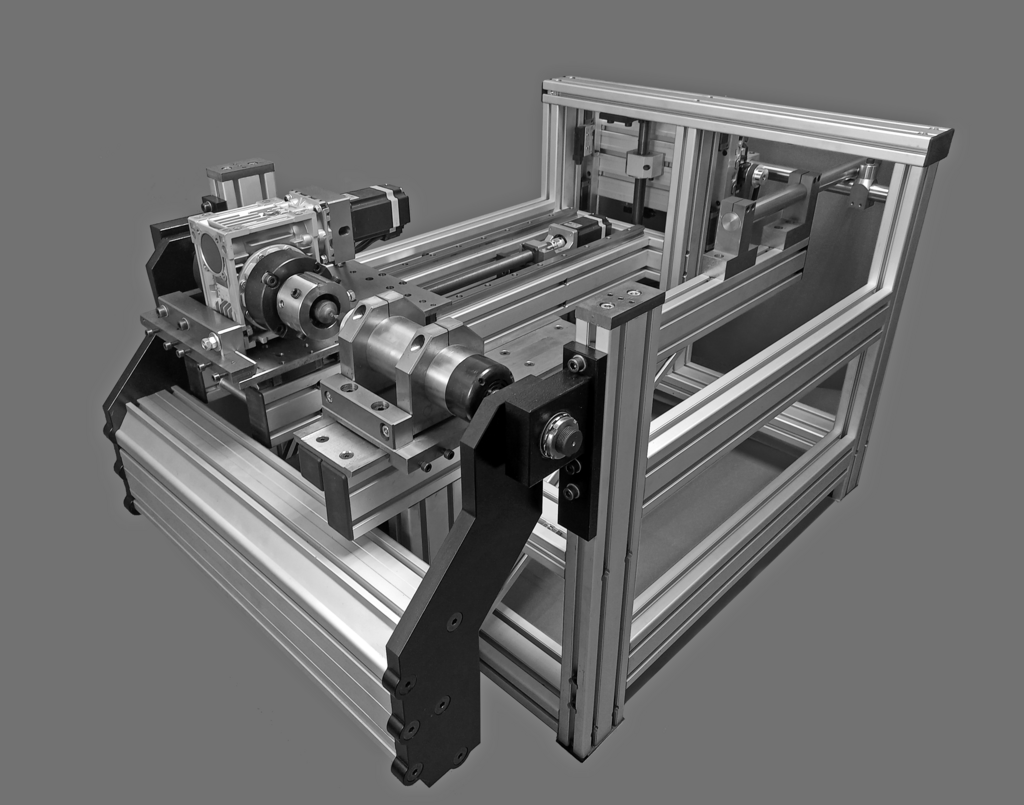
Now that you understand the building blocks, it's time to think about how they fit together.
What is the primary advantage of using T-slot aluminum extrusions for a workbench frame compared to traditional materials like wood or steel?
True or False: The process of creating aluminum extrusions involves melting aluminum and pouring it into a mold, similar to casting.