Build a Functional AI System
Introduction to Artificial Intelligence
What Is Artificial Intelligence?
At its heart, artificial intelligence is the science of making machines smart. It's a broad field in computer science focused on building systems that can perform tasks that normally require human intelligence. This includes things like learning from experience, understanding language, recognizing objects, solving problems, and making decisions.
Artificial intelligence (AI) is a branch of computer science and engineering that focuses on building machines that are capable of learning, solving problems, making decisions, and all other functions that are performed traditionally by the human intellect.
Think of it this way: when you learn to ride a bike, you don't calculate the physics of balance with a formula. You learn through trial and error—you feel it out. AI, particularly a branch called machine learning, tries to get computers to learn in a similar way, by processing information and recognizing patterns on their own.
A Quick Trip Through History
The idea of intelligent machines has been around for centuries, but the modern field of AI officially began in the summer of 1956. A group of scientists gathered at Dartmouth College for a workshop where they coined the term "artificial intelligence" and laid out the field's ambitious goals.
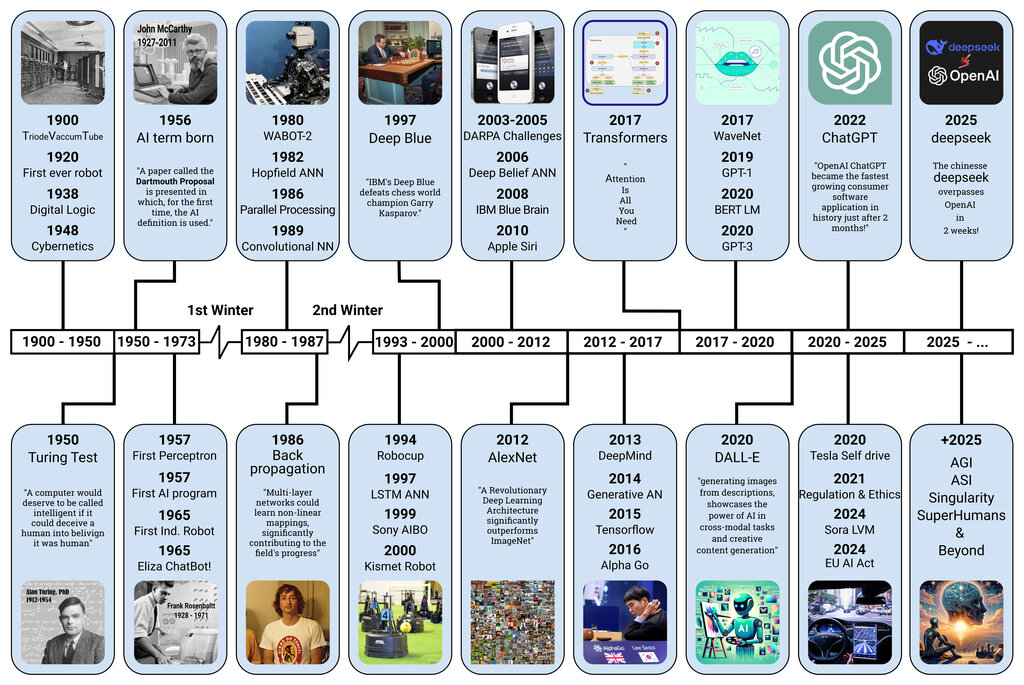
The journey wasn't always smooth. The field went through several "AI winters," periods when funding and interest dried up because progress didn't live up to the hype. But in recent decades, two things changed the game: the explosion of digital data and the development of much more powerful computers. This combination has fueled the rapid advances we see today.
The Different Flavors of AI
AI isn't a single technology; it's an umbrella term for several specialized fields. Think of it like medicine, which has cardiologists, dermatologists, and neurologists. AI has its own specialists, too.
Key Branches of AI:
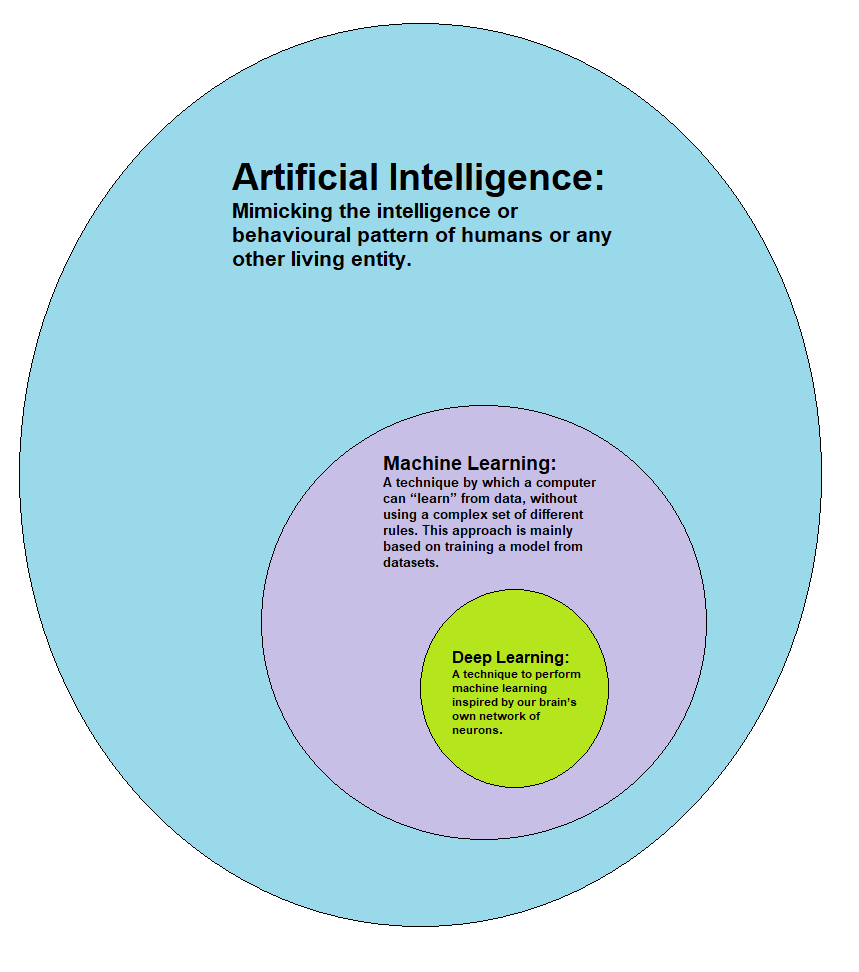
- Machine Learning (ML): Teaching computers to learn from data.
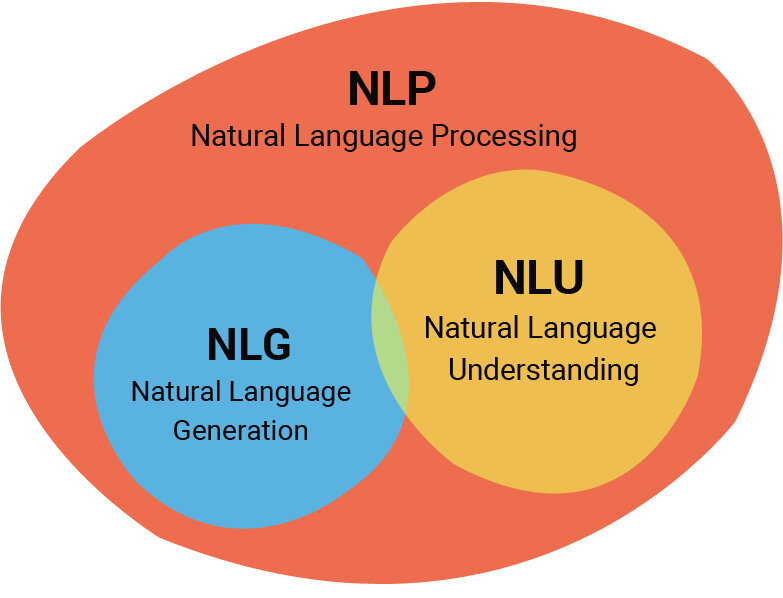
- Natural Language Processing (NLP): Enabling computers to understand and use human language.
- Robotics: Giving AI a physical form to interact with the world.
Machine Learning is the most common type of AI today. Instead of being explicitly programmed for a task, an ML system is trained on a large amount of data. For example, a spam filter learns to identify junk email by analyzing thousands of examples of spam and non-spam messages. It identifies patterns on its own to make future predictions.
Natural Language Processing focuses on the interaction between computers and human language. When you ask a voice assistant like Siri or Alexa for the weather, NLP is what allows it to understand your question and generate a spoken response. It’s also the technology behind translation apps and chatbots.
Robotics is where AI gets physical. This field involves designing and building robots that can perform tasks in the real world. These aren't just humanoid robots from movies; robotics includes everything from self-driving cars and drones to the robotic arms that assemble products in factories and assist in complex surgeries.
AI in the Real World
AI is already woven into the fabric of our daily lives and is transforming industries around the globe.
| Industry | Application of AI |
|---|---|
| Healthcare | Analyzing medical images to detect diseases like cancer earlier and more accurately than humans. |
| Finance | Detecting fraudulent transactions in real-time and providing personalized financial advice through robo-advisors. |
| Retail | Recommending products you might like based on your past purchases and browsing history (think Amazon or Netflix). |
| Transportation | Optimizing traffic flow in cities, powering navigation apps like Google Maps, and developing self-driving vehicles. |
| Entertainment | Creating personalized music playlists (Spotify), powering realistic characters in video games, and even assisting in film editing. |
From navigating your commute to suggesting your next favorite song, AI works behind the scenes to make technology more helpful and intuitive. As the field continues to evolve, its impact will only grow, opening up new possibilities we are just beginning to imagine.
Ready to test your knowledge? This quiz will cover the fundamental concepts of AI we've just discussed.
What is the primary goal of artificial intelligence?
The periods of reduced funding and interest in AI research, often caused by inflated expectations, are known as what?
Understanding these core ideas provides a solid foundation for exploring the more complex and fascinating aspects of artificial intelligence.