Build a Flexible CRM System
CRM Fundamentals
What Is a CRM?
At its heart, Customer Relationship Management (CRM) is a system for managing all your company’s relationships and interactions with customers and potential customers. Think of it as a supercharged address book combined with a detailed diary of every conversation and interaction.
At its core, Customer Relationship Management (CRM) is about cultivating and maintaining enriching relationships with your customers and prospects.
The primary goal is simple: improve business relationships to grow your business. A CRM system helps companies stay connected to customers, streamline processes, and improve profitability. It gives everyone—from sales, customer service, business development, recruiting, marketing, or any other line of business—a better way to manage the external interactions and relationships that drive success.
Core Features
While CRM platforms can vary widely, most are built around a few essential functions. These core features work together to provide a complete picture of your customer relationships.
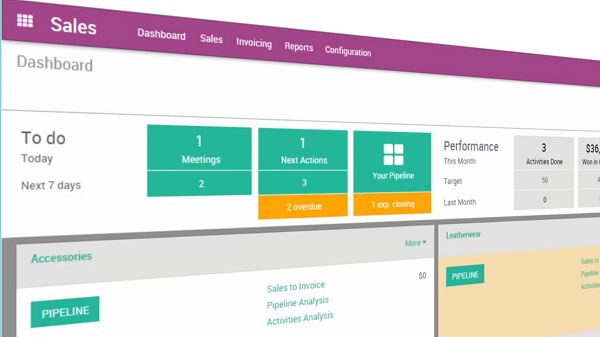
First is Contact Management. This is the foundation. A CRM system organizes all your customer and prospect information in one place. This includes names, email addresses, phone numbers, and social media accounts. But it goes further by also tracking their company, job title, and history of interactions with your business, like every email, phone call, and meeting.
A CRM acts as the central hub for all customer information, including contact details, communication history, preferences, past purchases, and service requests.
Next is Sales Management, also known as opportunity or pipeline management. This feature helps you track potential sales from the first contact to the final deal. It visualizes your sales process, often as a pipeline with stages like "New Lead," "Qualified," "Proposal Sent," and "Won/Lost." This makes it easy to see where every potential customer is in the sales cycle and helps sales teams prioritize their efforts.
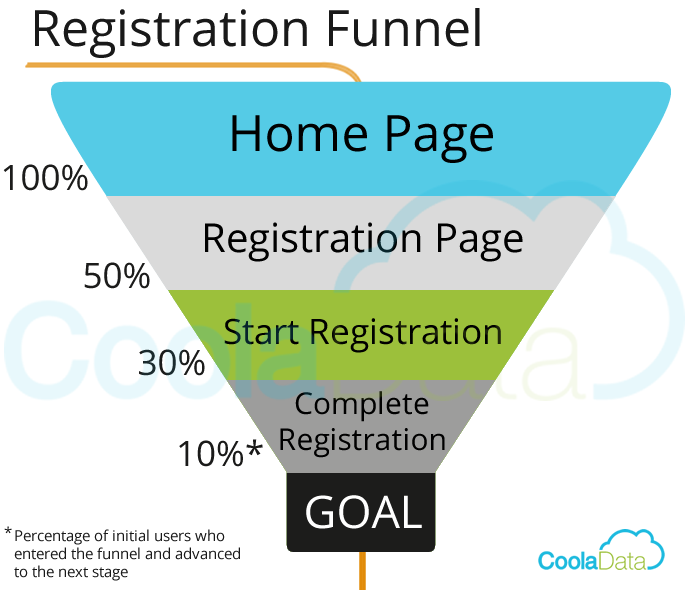
Marketing Automation is another key component. CRMs can automate repetitive marketing tasks. This includes sending out email campaigns, posting on social media, and nurturing leads over time with targeted content. By tracking how people interact with your marketing, the system helps you understand what's working and sends warmer, more qualified leads to your sales team.
Finally, there's Customer Support. After a sale is made, the relationship continues. CRM systems provide tools for managing customer service. They can track issues from the moment a customer reports a problem until it's resolved. This includes managing support tickets, creating a knowledge base for common questions, and analyzing customer feedback to improve your products or services.
Why Use a CRM?
Implementing a CRM system offers clear advantages. By centralizing all your customer data, you create a single source of truth that anyone in the company can access. This breaks down silos between departments like sales, marketing, and support.
This leads to improved customer relationships. When your team has a full history of every customer interaction, they can provide a more personalized and consistent experience. No more asking a customer to repeat their problem to three different people.
A well-implemented CRM empowers you to understand your customers on a deeper level and deliver experiences that make each individual feel like a VIP.
You'll also see enhanced sales performance. With a clear view of their sales pipeline, salespeople can better manage their leads and focus on the most promising opportunities. Automation handles administrative tasks, freeing them up to spend more time selling.
Lastly, a CRM helps streamline business processes. Automating marketing, sales, and service tasks reduces manual work and the chance of human error. It also provides valuable data and analytics, giving you insights into your business performance and helping you make smarter, data-driven decisions.
Now, let's test your understanding of these core CRM concepts.
What is the primary goal of implementing a CRM system?
Which core CRM function is responsible for organizing customer information like names, emails, and past interactions in one place?
Understanding these fundamentals is the first step toward leveraging a CRM to build stronger connections and drive business growth.