Budgeting for Your First Home
Understanding Personal Budgeting
Taking Control of Your Money
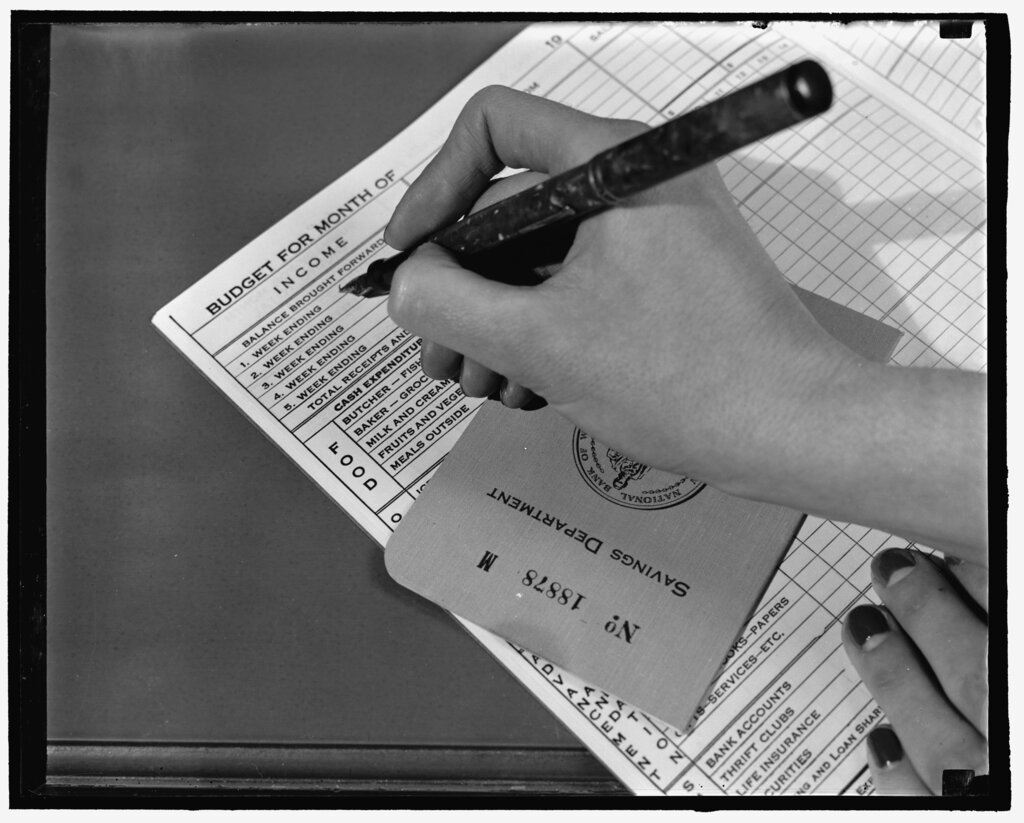
A budget is simply a plan for your money. It's a way to see where your money comes from and where it goes. Thinking about a budget can feel restrictive, like you're putting your finances on a diet. But it's actually the opposite. A budget gives you freedom because it puts you in control. It helps you direct your money toward the things that matter most to you, whether that's saving for a down payment on a house, paying off debt, or just having less financial stress at the end of the month.
budget
noun
An estimate of income and expenditure for a set period of time.
Budgeting isn't about limiting yourself. It's about making your money work for you.
The Building Blocks
Every budget, no matter how simple or complex, is built from the same basic parts. Understanding these will help you build a plan that works for you.
First, there's income. This is all the money you have coming in. For most people, this is their salary from a job, but it can also include side hustle earnings, freelance payments, or any other regular cash flow.
Next, you have your expenses, which fall into a few categories. Fixed expenses are the costs that are the same every month. They're predictable and easy to plan for. Think of things like rent or a mortgage payment, car payments, and insurance premiums.
Variable expenses are the costs that change from month to month. These are still necessities, but the amount you spend can fluctuate. Groceries, gasoline for your car, and utility bills are common examples. One month your electricity bill might be higher, and the next it could be lower.
Finally, there's discretionary spending. This is the fun stuff, but it's also where it's easiest to overspend. It covers all the things you want but don't necessarily need: dining out, concert tickets, new clothes, and streaming subscriptions.
| Expense Type | Description | Examples |
|---|---|---|
| Fixed | Consistent costs each month | Rent, car loan, insurance |
| Variable | Necessary costs that fluctuate | Groceries, gas, utilities |
| Discretionary | Non-essential wants | Dining out, entertainment, shopping |
Once you know what's coming in and what's going out, you can start making intentional choices. You can see exactly where you might be overspending and identify areas where you can cut back to free up cash for your savings goals.
Popular Budgeting Methods
There's no single "best" way to budget. The right method is the one you can stick with. Here are a couple of popular approaches.
The 50/30/20 Rule This is a simple, straightforward guideline for dividing your after-tax income.
- 50% for Needs: Half of your income goes toward fixed and essential variable expenses, like housing, utilities, transportation, and groceries.
- 30% for Wants: This portion is for discretionary spending. It's the money for hobbies, dining out, and other things that make life enjoyable.
- 20% for Savings & Debt: The remaining 20% is dedicated to your financial goals, such as building an emergency fund, saving for a down payment, or paying off high-interest debt.
The Envelope System If you prefer a more hands-on approach, the envelope system might be for you. It works best with cash. You create labeled envelopes for your variable and discretionary spending categories, like "Groceries," "Gas," and "Entertainment." At the beginning of the month, you put your budgeted amount of cash into each envelope. When the money in an envelope is gone, you're done spending in that category until next month. It's a very tangible way to keep your spending in check.
A good budgeting strategy is to follow the 50/30/20 rule (50% for your needs, 30% for your wants, and 20% for savings and debt repayment).
Many people also use budgeting apps or spreadsheets to track their finances automatically. Tools like Mint, YNAB (You Need A Budget), or a simple Google Sheet can link to your bank accounts and categorize your transactions, giving you a clear picture of your financial habits without much manual effort.
Let's test your understanding of these core concepts.
What is the primary purpose of creating a budget?
Your monthly car insurance premium is an example of what kind of expense?
The key is to find a system that helps you feel informed, not overwhelmed. A budget is your roadmap to achieving your financial goals, one step at a time.