Budgeting for Your Dream Home Down Payment
Understanding Personal Finance
Your Money, Your Goals
Personal finance isn't a complex field reserved for experts in suits. It’s the simple act of managing your money to build the life you want. Think of it as a roadmap. You know where you want to go—in this case, buying a home—and personal finance provides the tools to get you there. It all boils down to three core ideas: understanding what you earn, knowing where it goes, and making smart decisions along the way.
Know Your Income
The first step is figuring out exactly how much money you have to work with. This is your income. It might come from a salary, hourly wages, freelance work, or a side hustle. It's easy to think of your income as the number on your employment offer, but the most important figure for budgeting is your net income, or take-home pay. This is the amount that actually hits your bank account after taxes, health insurance, and other deductions are taken out.
Your gross income is your total earnings before anything is taken out. Your net income is what's left after all deductions. Always base your budget on your net income.
If your income is consistent every month, this is straightforward. If it varies, look at your bank statements from the last three to six months to find a reliable average. The goal is to have a clear, realistic number for your monthly income. This is the foundation of your entire financial plan.
Track Your Expenses
Once you know what's coming in, you need to find out what's going out. Expense tracking is the process of recording every dollar you spend. It might sound tedious, but it's the only way to see where your money is truly going. This knowledge is powerful because it reveals spending habits you might not even be aware of.
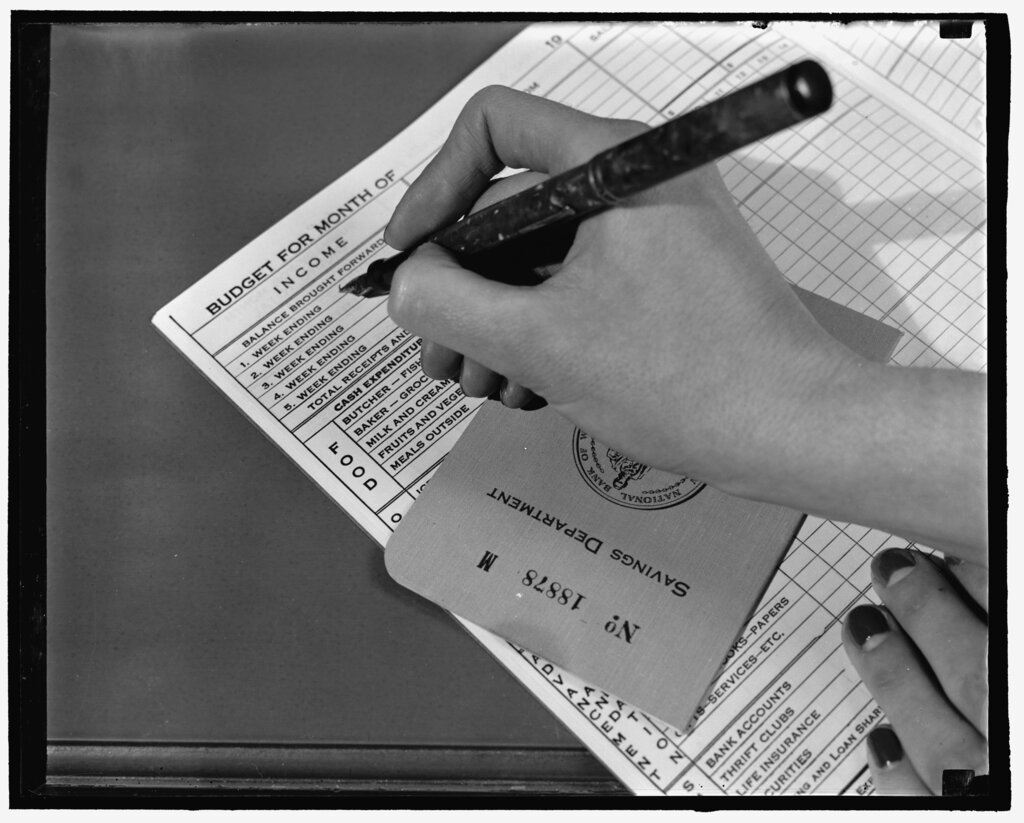
Start by dividing your expenses into two main categories to see things clearly:
- Fixed Expenses: These are the costs that stay the same each month. Think of rent or mortgage payments, car insurance, or a cell phone bill. They're predictable and easy to plan for.
- Variable Expenses: These costs change from month to month. This category includes things like groceries, gas, dining out, and entertainment. This is often where you can find opportunities to save.
You can use a simple notebook, a spreadsheet, or a budgeting app. The tool doesn't matter as much as the habit. After a month of tracking, you'll have a clear picture of your financial life.
Build Your Financial Literacy
Financial literacy is just a fancy term for understanding the basics of money. It’s the knowledge that empowers you to make informed decisions, avoid common pitfalls, and confidently work toward your goals. You don't need to be an expert, but grasping a few key concepts is essential.
Start the process by setting small, actionable goals to help you build financial literacy: research a retirement plan that suits your outlook, schedule time on your calendar to devote to educating yourself and discuss savings strategies with others.
For saving towards a home, some of the most important ideas to understand are:
- Budgeting: Creating a plan for how you will spend your money each month. We'll dive into this next.
- Credit Score: A number that represents your creditworthiness. Lenders use it to decide whether to loan you money and at what interest rate. A higher score generally means better loan terms.
- Interest: The cost of borrowing money. When you save, you earn interest. When you borrow, you pay it.
- Savings: Money set aside in a safe place, like a bank account, for short-term goals. An emergency fund or a down payment are perfect uses for savings.
Understanding these fundamentals is the final piece of the puzzle. With a clear view of your income and expenses, and the knowledge to make good choices, you're ready to start building a budget that works for you.