Budgeting for Your Dream Home Down Payment
Understanding Personal Budgets
What is a Budget?
Think of a budget as a roadmap for your money. It’s a plan that shows you how much money you have coming in and where it’s going out. It’s not about restricting yourself or never buying anything fun. Instead, it’s about understanding your finances so you can make intentional choices with your money.
Budget
noun
A plan for coordinating resources and expenditures; an estimate of income and expenses for a set period of time.
At its core, a budget simply balances what you earn against what you spend. By creating this plan, you take control of your financial life. You decide where your money should go, rather than wondering where it went at the end of the month.
A budget is a personal finance plan outlining how you earn and spend money.
Why Bother with a Budget?
Creating a budget is the first step toward achieving your financial goals. Whether you want to save for a down payment on a house, pay off debt, or build an emergency fund, a budget provides the clarity you need.
It helps you identify areas where you might be overspending and find opportunities to save. This awareness is powerful. It reduces financial stress because you're no longer guessing about your financial health. You have a clear picture, which allows you to plan for the future with confidence.
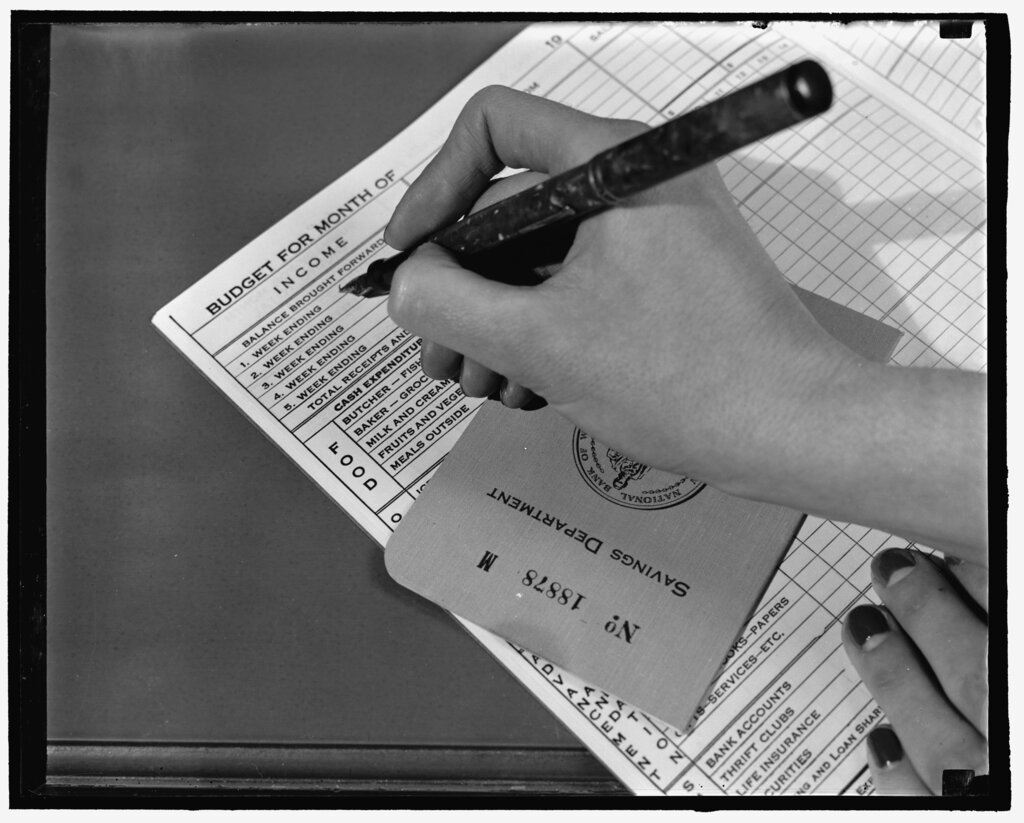
A good budget also helps you prioritize. It ensures you cover your essential needs first, like housing and food. Once those are handled, you can allocate money toward your wants and savings goals in a way that feels balanced and sustainable.
Remember, the point of budgeting is not to stop you from spending money – it’s to make sure your must-haves are covered first so you know how much you have left for the fun stuff.
Common Budgeting Methods
There’s no single “best” way to budget. The right method is the one that works for you. Here are a few popular approaches to consider.
The 50/30/20 Rule: This is a simple framework. You allocate 50% of your after-tax income to needs (like rent and groceries), 30% to wants (like dining out and hobbies), and 20% to savings and debt repayment.
Another method is zero-based budgeting. With this approach, you assign every single dollar a job. Your income minus all your expenses, savings, and debt payments should equal zero. This method is very detailed and ensures no money is wasted.
Finally, there's the envelope system. This is a cash-based method where you divide your spending into categories (e.g., groceries, gas, entertainment) and put a set amount of cash into labeled envelopes for each one. Once an envelope is empty, you stop spending in that category until the next month.
| Method | Best For | Key Feature |
|---|---|---|
| 50/30/20 Rule | Beginners who want a simple guideline. | Easy-to-remember percentages. |
| Zero-Based | People who want maximum control. | Every dollar has a purpose. |
| Envelope System | People who prefer using cash and want a hands-on approach. | Physical limit on spending. |
Aligning Your Budget with Goals
A budget is most effective when it’s tied to what you want to achieve. Your financial goals give your budget purpose and make it easier to follow. If your goal is to save $15,000 for a down payment in two years, your budget needs to reflect that.
Start by defining your goals. Make them specific and give them a timeline. How much do you need to save, and by when? Once you have that number, you can work backward to figure out how much you need to set aside each month.
Your budget then becomes the tool to make that happen. You can look at your spending, particularly in the 'wants' category, and decide where you can cut back to free up money for your savings goal. The budget isn't just tracking money; it's actively directing it toward the life you want to build.
Now, let's test your understanding of these core budgeting concepts.
What is the primary purpose of creating a budget, according to the text?
Which budgeting method requires your income minus all your expenses and savings to equal zero?
Understanding what a budget is and how it works is the first, most important step in taking control of your financial future.