Budgeting for Your Dream Home Down Payment
Understanding Personal Finances
Where Your Money Comes From
Before you can tell your money where to go, you need a clear picture of where it’s coming from. This is your income. For most people, the main source is a paycheck from a job, but money can flow in from various places. Understanding these streams is the first step toward managing your finances.
Think of your income in two main categories: active and passive. Active income is what you earn from the work you do directly, like a salary or tips. Passive income is money you make from assets you own, with little to no daily effort required. This could be anything from rental income to earnings from a business you don't actively manage.
| Income Type | Description | Examples |
|---|---|---|
| Active Income | Money earned from work you perform. | Salary, hourly wages, tips, freelance payments. |
| Passive Income | Money earned from your assets. | Rent from a property, stock dividends, book royalties. |
Knowing your total income from all sources gives you the starting number for any financial plan.
Where Your Money Goes
Just as important as knowing what comes in is knowing what goes out. Your expenses are everything you spend money on. It’s easy to lose track of small purchases, but they add up. To truly control your finances, you need to see the complete picture of your spending.
Expenses generally fall into two buckets: fixed and variable.
Fixed Expense
noun
A cost that stays the same amount each month. These are predictable and often essential.
Fixed expenses are the foundation of your budget. They are the bills you know are coming and can plan for easily.
Variable Expense
noun
A cost that changes from month to month. These expenses are often influenced by your daily choices and habits.
Variable expenses are where you have the most power to make changes. Cutting back on dining out or finding a cheaper grocery store can directly impact how much money you have left at the end of the month. Let's look at some common examples of each.
| Fixed Expenses | Variable Expenses |
|---|---|
| Rent or Mortgage | Groceries |
| Car Payment | Gasoline |
| Insurance Premiums | Dining Out |
| Phone Bill | Entertainment |
| Subscription Services | Utilities (Gas/Electric) |
| Loan Repayments | Shopping |
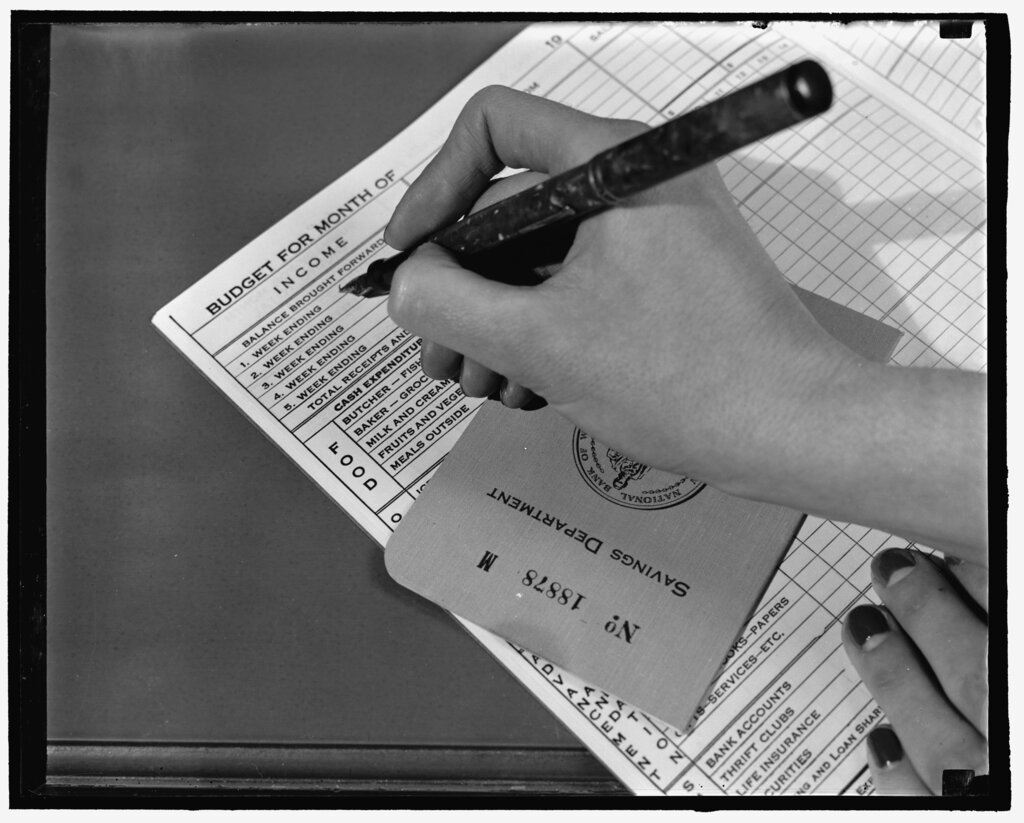
Putting It All Together
Understanding your income and expenses is the core of financial literacy. It’s not about complex charts or risky investments; it’s simply about knowing the flow of money in your life. When you know exactly what you earn and what you spend, you gain control.
Financial literacy gives you the power to make informed decisions instead of letting your finances happen to you.
This knowledge is your foundation. Once you have it, you can start building a plan, or budget, that aligns with your goals. Whether you're saving for a down payment on a house, planning for retirement, or just want to feel more secure, it all begins with these simple, powerful concepts.
Ready to check your understanding?
If you receive a monthly paycheck from your job, what type of income is it considered?
Which of the following is the best example of a fixed expense?
By mastering these basics, you're setting yourself up for success. You now have the fundamental building blocks to create a personalized budget.