Budgeting for Your Down Payment
Understanding Personal Budgeting
Your Money's Roadmap
A budget is simply a plan for your money. It’s a way to see exactly how much is coming in and where it’s all going. Think of it like a roadmap. You wouldn't start a long road trip without looking at a map, and the same idea applies to your finances. A budget guides your spending and saving, helping you navigate toward your financial goals, whether that’s saving for a down payment on a house or just feeling more in control of your daily expenses.
The main point of a budget isn't to restrict you—it's to empower you. It gives you permission to spend, but in a way that aligns with what you truly want.
By creating a budget, you replace financial uncertainty with a clear plan. You'll know if you can afford that weekend trip or if you should hold off for a bit. This clarity helps reduce stress and makes it easier to handle unexpected costs, like a car repair or a medical bill, because you've planned for them. Ultimately, budgeting is the first step toward building a solid financial future.
The Building Blocks
Every budget, no matter how simple or complex, is built from three core components. Understanding these is key to making a plan that works for you.
1. Income: This is all the money you have coming in. For most people, this is a monthly paycheck from a job. But it can also include income from a side business, freelance work, or any other source. The first step in budgeting is always to know your total take-home pay.
2. Expenses: These are all the things you spend money on. Expenses can be broken down into two types:
- Fixed Expenses: These are costs that stay the same each month, like rent or a mortgage, car payments, and insurance premiums.
- Variable Expenses: These costs change from month to month, such as groceries, gas, dining out, and entertainment.
3. Savings: This is the money you set aside for the future. It's what's left after you subtract your expenses from your income. Crucially, saving shouldn't be an afterthought. A good budget treats saving as a non-negotiable expense, ensuring you're consistently putting money toward your goals.
A Simple Rule to Start
Getting started with budgeting doesn't have to be complicated. One of the most popular and straightforward methods is the 50/30/20 rule. It provides a simple framework for dividing your after-tax income.
A good budgeting strategy is to follow the 50/30/20 rule (50% for your needs, 30% for your wants, and 20% for savings and debt repayment).
Here's how it breaks down:
-
50% for Needs: Half of your income goes toward essential expenses. This category includes housing, utilities, transportation, groceries, and insurance. These are the must-haves you need to live.
-
30% for Wants: This portion is for everything that makes life more enjoyable but isn't strictly necessary. Think dining out, hobbies, streaming subscriptions, and vacations.
-
20% for Savings & Debt Repayment: The final 20% is dedicated to your financial goals. This includes building an emergency fund, saving for retirement, investing, or paying off debt faster than the minimum payments.
This rule is a guideline, not a strict law. If your needs take up more than 50% of your income, you might need to adjust the other categories. The goal is to find a balance that works for your situation.
Tools for the Job
You don't have to track everything with a pen and paper unless you want to. Today, there are countless tools designed to make budgeting easier. Many banking apps now have built-in budgeting features that automatically categorize your spending.
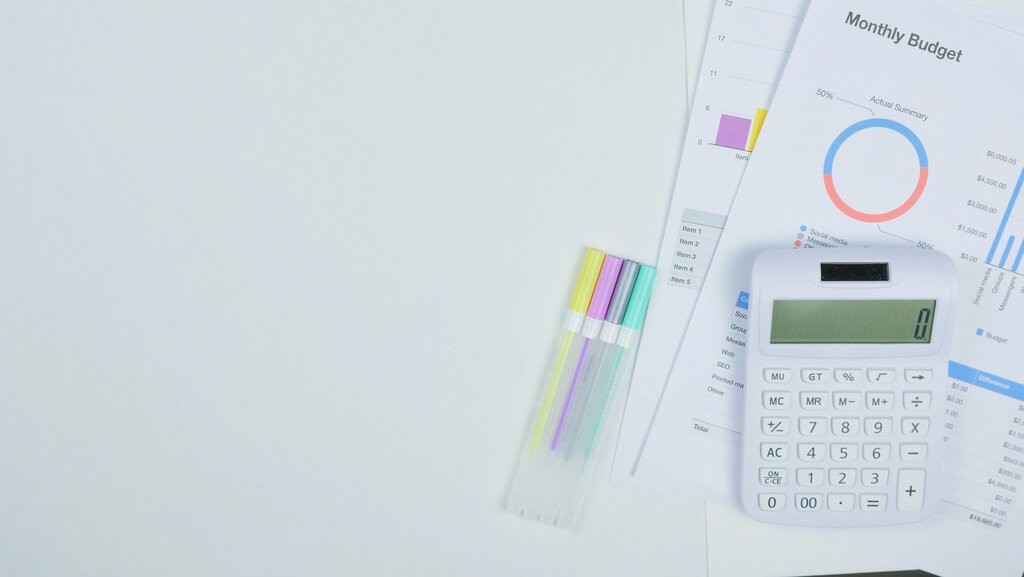
Dedicated budgeting apps offer even more powerful features, like setting spending goals, tracking bills, and monitoring your progress over time. Some popular options sync all your financial accounts in one place, giving you a complete picture of your finances.
The best tool is the one you'll actually use. Whether it's a simple spreadsheet, a notebook, or a feature-rich app, the key is consistency. Find a method that fits your lifestyle and start tracking.
What is the primary purpose of creating a personal budget?
Which of the following is the best example of a 'fixed expense'?
With these basics, you have a solid foundation for creating a personal budget that helps you take control of your money and work toward your financial goals.