Budgeting for Your Down Payment
Understanding Personal Finance
What is Personal Finance?
Personal finance is simply the way you manage your money. It's about making smart decisions with your income and savings to reach your life goals. Think of it like planning a road trip. You wouldn't just start driving without a map or a destination. You'd figure out where you're going, how much gas you'll need, and where you'll stop along the way. Your financial life works the same way.
Managing your money helps you prepare for unexpected events, avoid debt, and afford the things that matter to you, whether that's a vacation, a house, or a comfortable retirement. It's not about being rich; it's about being in control.

The Building Blocks
Every financial plan is built from a few key components. Understanding these five elements is the foundation for making informed decisions.
| Component | What It Is |
|---|---|
| Income | All the money you receive, like your salary or wages. |
| Expenses | The money you spend on things like rent, food, and fun. |
| Savings | Money you set aside for future needs or goals. |
| Investments | Using money with the goal of making it grow over time. |
| Debt | Money you owe to others, like student loans or credit card balances. |
The relationship between these parts is what matters. Ideally, your income is greater than your expenses, leaving you with money to save and invest. Debt can complicate this picture, as it's an expense that you must pay back, often with interest.
Setting Financial Goals
Your financial choices should be guided by your goals. Without a target, it's easy to overspend or miss opportunities. Goals give your financial management a purpose.
They can be broken into two main types:
- Short-term goals: Things you want to achieve within a year or two, like saving for a new laptop or a weekend trip.
- Long-term goals: Major milestones that take several years to reach, such as buying a home, paying for education, or retiring.
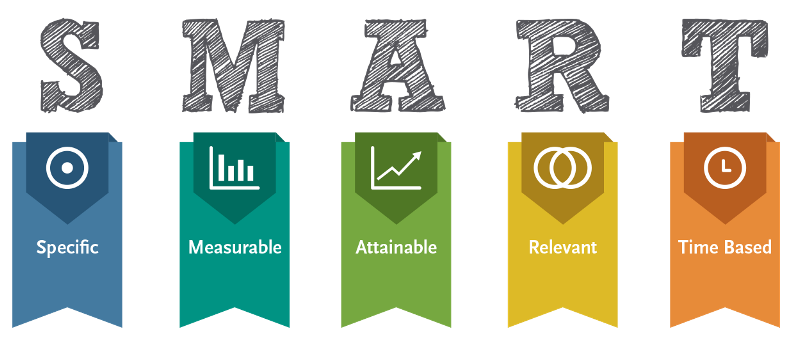
Clearly defining your goals is the first step toward achieving them. It helps you prioritize what's important and stay motivated.
The Power of Financial Literacy
Financial literacy is the knowledge and skill to manage your financial resources effectively for a lifetime of financial well-being. It's not about complex formulas or predicting the stock market. It’s about understanding the basics we've just covered so you can make confident decisions.
Start the process by setting small, actionable goals to help you build financial literacy: research a retirement plan that suits your outlook, schedule time on your calendar to devote to educating yourself and discuss savings strategies with others.
The more you know, the better equipped you'll be to navigate life's financial challenges and opportunities. This knowledge is the key to turning your goals into reality.
What is the primary purpose of personal finance?
For a healthy financial situation, your income should ideally be ________ your expenses.