Budgeting for Your Down Payment
Understanding Personal Budgeting
Giving Your Money a Plan
A budget is simply a plan for your money. It’s not about restricting yourself or never buying anything fun. It’s about understanding where your money goes so you can direct it where you want it to go. Think of it like a roadmap. You wouldn't start a cross-country trip without a map or GPS. A budget is the GPS for your financial life, helping you navigate from where you are to where you want to be, like saving for a down payment on a house.
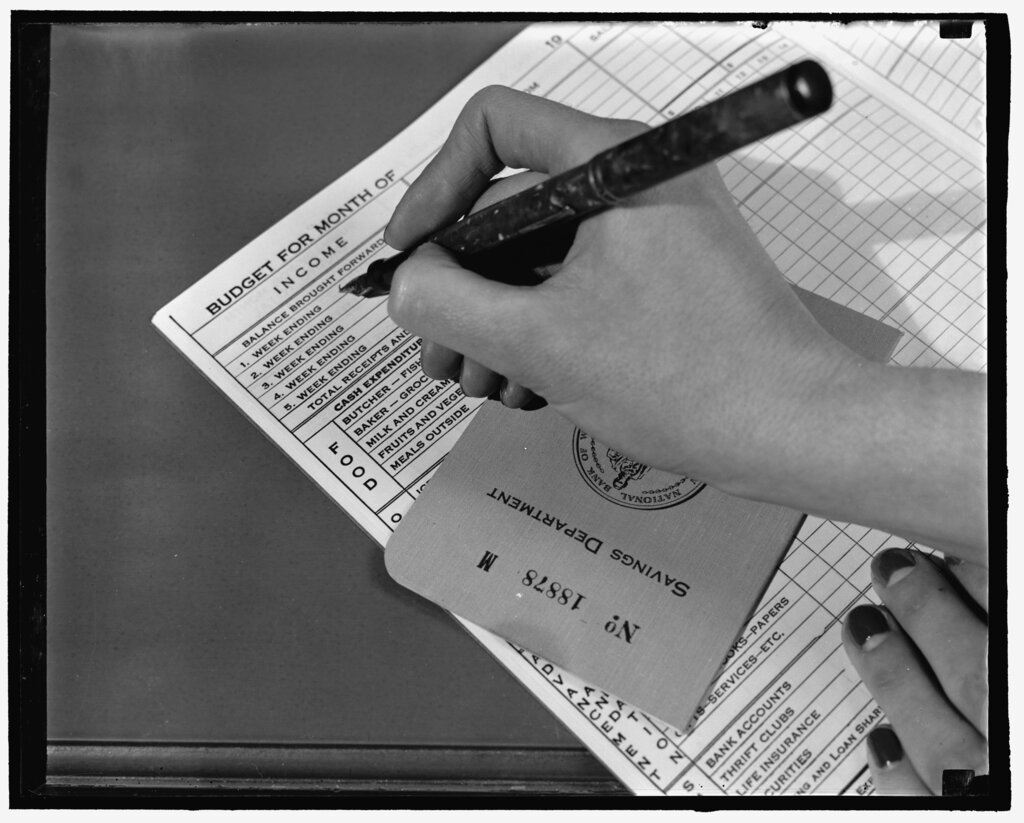
The goal is to answer a simple question: Is more money coming in than going out? By creating a plan, you gain control and can make conscious decisions about your spending.
The Building Blocks
Every budget, whether it's scribbled on a napkin or managed in an app, has the same basic parts. It all starts with what's coming in and what's going out.
First, you have income. This is all the money you receive, usually from your job after taxes. It’s the total amount you have to work with each month.
Next, you have expenses, which are everything you spend money on. We can break these down into a few categories to make them easier to manage.
Fixed Expenses: These are the predictable costs that stay the same every month. Think of them as your financial bedrock. Examples include rent or mortgage payments, car payments, and insurance premiums.
Variable Expenses: These are necessary costs, but the amount changes from month to month. You know you'll have to pay for them, but you might not know the exact amount. This includes things like groceries, gasoline for your car, and utility bills like electricity or water.
Discretionary Spending: This is often called 'wants' or 'fun money.' It’s the spending you have control over and could cut back on if needed. This category includes things like eating out, subscriptions to streaming services, concert tickets, and hobbies.
| Expense Type | Description | Examples |
|---|---|---|
| Fixed | Stays the same each month | Rent, car loan, insurance |
| Variable | Changes each month | Groceries, gas, utilities |
| Discretionary | 'Wants' or non-essentials | Dining out, movies, shopping |
Why It's Worth the Effort
So, why go through the trouble of tracking all this? Because maintaining a budget brings major benefits. The most important one is financial control. When you know where your money is going, you're in the driver's seat. There are fewer surprises and less stress at the end of the month.
A budget helps you intentionally set aside money for what's important to you. Instead of just hoping you’ll have enough left over for savings, you make it a priority. It transforms saving from an afterthought into a deliberate action. This is how big goals, like buying a home, become achievable. You build them into your plan, one month at a time.
Remember, the point of budgeting is not to stop you from spending money – it’s to make sure your must-haves are covered first so you know how much you have left for the fun stuff.
Now that you know the basics, let's see what you've learned.
What is the primary purpose of creating a budget, as described in the text?
Which of the following is the best example of a variable expense?
Understanding these core concepts is the first step. By simply creating a plan, you put yourself in a powerful position to manage your money effectively.