Budgeting for Your Down Payment
Understanding Personal Finance
The Basics of Your Money
Personal finance isn't about complicated charts or becoming a stock market genius. It's simply the practice of managing your money to reach your goals. Think of it as creating a roadmap. Before you can decide on a destination, like saving for a down payment, you need to know your starting point and what resources you have for the journey.
The two most important pieces of this puzzle are understanding what you earn and what you spend. Getting a clear picture of these two things is the first, most powerful step toward taking control of your financial life.
Know Your Income
Your income is all the money that flows into your bank account. For most people, this is a regular paycheck from a job, but it can also include side hustle earnings, freelance payments, or any other cash you receive. When looking at your paycheck, it's crucial to distinguish between two numbers: gross income and net income.
Gross income is the total amount of money you earn before anything is taken out. Net income, often called take-home pay, is what’s left after deductions like taxes, social security, and health insurance premiums are subtracted.
Net Income
noun
The amount of money you actually receive after all deductions have been taken from your gross income.
Let's look at a simple example. If your gross monthly salary is $4,000, your paycheck stub might look something like this:
| Description | Amount |
|---|---|
| Gross Pay | $4,000.00 |
| Federal Taxes | -$480.00 |
| State Taxes | -$200.00 |
| Social Security | -$248.00 |
| Health Insurance | -$150.00 |
| Net Pay (Take-Home) | $2,922.00 |
When you build a budget or a savings plan, always use your net income. It’s the real amount of money you have available to work with each month.
Track Your Expenses
Once you know what's coming in, the next step is to figure out where it's all going. Tracking your expenses is the process of recording every dollar you spend. It might sound tedious, but it's the only way to get an honest look at your financial habits. You can’t change what you don’t measure.
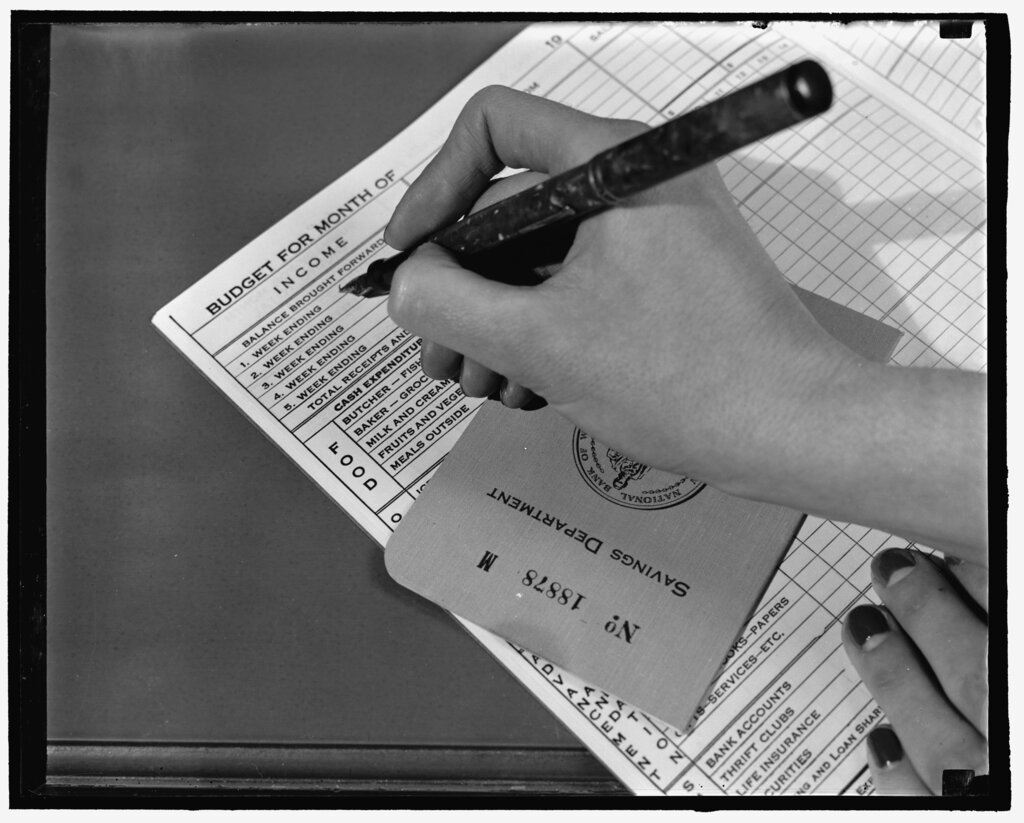
Start by categorizing your spending. A simple way to do this is to separate your expenses into two buckets: needs and wants.
Needs are essential for living and working. These are your non-negotiable costs. Wants are everything else. They're the things that improve your quality of life but aren't strictly necessary for survival.
| Needs (Essentials) | Wants (Discretionary) |
|---|---|
| Rent or Mortgage | Dining Out |
| Groceries | Streaming Subscriptions |
| Utilities (Electric, Water) | Hobbies |
| Transportation to Work | New Clothes |
| Insurance Payments | Vacations |
For one month, track every single purchase. Use a budgeting app, a simple spreadsheet, or a notebook. At the end of the month, add up your spending in each category. The results can be eye-opening and are the key to building a realistic budget.
Build Your Financial Literacy
Understanding your income and expenses is the foundation of financial literacy, which is simply the knowledge and skills to manage your financial resources effectively. It's not about knowing everything, but about having the confidence to make informed decisions about your money.
Financial wellness isn’t just about saving more; it’s about creating habits and strategies that help you stay confident and secure about your future.
Improving your financial literacy is an ongoing process. It means learning about basic concepts like budgeting, saving, debt, and credit. By understanding how money works, you empower yourself to build a solid financial foundation and work toward bigger goals, like saving for a home.
Now, let's test your knowledge on these foundational concepts.
Gross income is your total earnings before any deductions are taken out, while net income is the actual amount of money you take home.
Which of the following is the best example of a 'want' rather than a 'need'?
Getting a handle on these basics is the first step on your financial journey. By consistently managing your income and tracking your expenses, you're building the skills needed for a secure future.