Budgeting for Your Down Payment
Assess Financial Situation
Know Where You Stand
Before you can plan a trip, you need to know your starting point. The same is true for your finances. To save for a big goal like a down payment, you first need a clear picture of your current financial situation. This means getting honest about how much money comes in and where it all goes.
Let's start with what you earn. Your total monthly income is the foundation of your financial assessment. Add up all the money you bring in each month from every source. This includes your primary job, any side hustles, freelance work, or other regular payments you receive.
Crucially, you should use your net income, not your gross income. Net income is what’s left after taxes, health insurance premiums, and other deductions are taken out of your paycheck. This is the actual amount you have available to spend and save, so it's the only number that gives you a realistic view.

Trace Your Spending
Now for the other side of the equation: your expenses. This is often where people find the biggest surprises. To get a true sense of your spending, you’ll need to track every dollar for about a month. Go through your bank and credit card statements, and don't forget cash purchases.
Group your expenses into two main categories: fixed and variable.
Fixed Expenses
other
Costs that are generally the same amount each month and are difficult to change in the short term. They are the predictable pillars of your financial life.
Fixed expenses are the regular, predictable bills you pay. Think of things like your rent or mortgage, car payments, insurance premiums, and loan repayments. You know they're coming and you know how much they'll be.
Variable Expenses
other
Costs that change from month to month based on your usage and choices. These are the expenses where you have more day-to-day control.
Variable expenses are the costs that fluctuate. This category includes groceries, gasoline, utilities (which can change based on the season), and personal care items. These are necessary, but the amount you spend can vary.
| Category | Description | Examples |
|---|---|---|
| Fixed Expenses | Consistent, predictable costs | Rent/Mortgage, Car Payment, Insurance, Subscriptions |
| Variable Expenses | Costs that change monthly | Groceries, Gas, Utilities, Dining Out |
Find Your Discretionary Spending
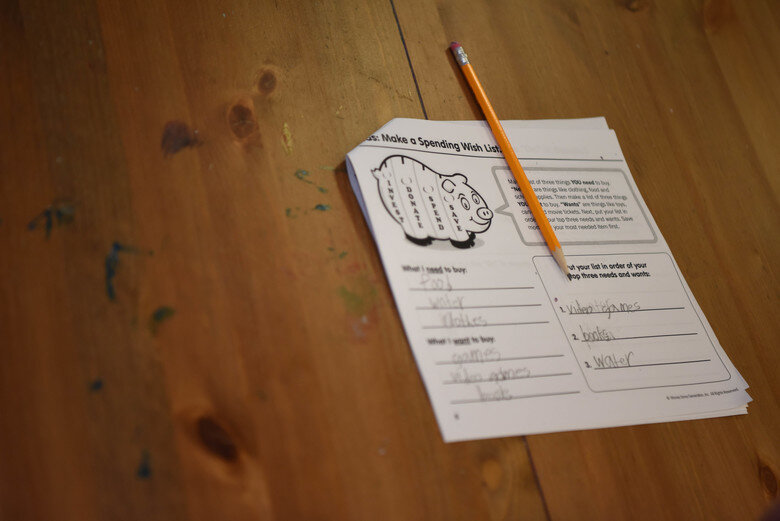
Once you've listed all your fixed and variable expenses, you can identify your discretionary spending. This isn't a separate category of bills but rather the portion of your variable expenses that are wants rather than needs. It’s the money spent on things you enjoy but could live without if necessary.
Discretionary spending includes things like concert tickets, streaming services, new clothes, dining out, and hobbies. It’s not about judging these purchases, but simply about understanding where your flexible spending is.
By adding up your total monthly income and subtracting all your expenses (both fixed and variable), you'll see what’s left over. This final number, along with your list of discretionary spending, reveals how much you can potentially redirect toward your down payment savings.
With this clear financial snapshot, you're no longer guessing. You're ready to build a realistic savings plan based on real numbers.