Budgeting for Your Down Payment
Understanding Personal Finances
Know Your Money Flow
Think of your financial life like a river. Money flows in from your income sources, and it flows out through your expenses. To manage your finances well, you first need to understand this flow. Where is the money coming from, and where is it going? This isn't about judgment; it's about clarity. Gaining a clear picture of your cash flow is the first step toward building a solid budget and achieving your financial goals.
Where Your Money Comes From
For most people, the main source of income is a paycheck from a job. When you look at your pay stub, you'll see your gross pay (the total amount you earned) and your net pay (what you actually take home after taxes and other deductions). Your net pay is the number you should use for your budget, as it's the actual amount you have available to spend or save.
But a job might not be your only source of income. You could also have:
- Side Hustles: Money from freelance work, a part-time business, or driving for a ride-sharing service.
- Investment Income: Earnings from things like dividends or interest.
- Other Sources: This could be anything from child support to rental income from a property you own.
Take a moment to list all the money you have coming in each month. This total amount is the foundation of your budget.
Where Your Money Goes
Now let's look at the other side of the equation: expenses. This is everything you spend money on. It's helpful to break your expenses into two main categories: fixed and variable.
fixed expenses
other
Costs that are the same amount each month. They are predictable and consistent.
Fixed expenses are the pillars of your budget. They are regular, predictable bills that you pay every month. Because they don't change, they are easy to plan for.
Common examples include:
- Rent or mortgage payments
- Car loan payments
- Insurance premiums (car, health, renters)
- Subscription services (like streaming platforms or gym memberships)
- Student loan payments
variable expenses
other
Costs that change from month to month depending on your usage or choices.
Variable expenses are where you have the most control. These are the costs that fluctuate based on your habits and choices. One month you might spend more on groceries because you hosted a dinner party, and the next you might spend less.
Examples include:
- Groceries and dining out
- Gas for your car
- Entertainment
- Shopping for clothes or household goods
- Utilities like electricity and water (these can be somewhat predictable, but often vary based on season and usage).
| Expense Type | Key Feature | Examples |
|---|---|---|
| Fixed | Consistent & predictable | Rent, Car Payment, Insurance |
| Variable | Fluctuates & controllable | Groceries, Gas, Entertainment |
The Power of Tracking
How can you figure out where all your money is going, especially with those tricky variable expenses? You have to track your spending. This might sound tedious, but it's the most powerful step you can take to understand your financial habits.
You don't need a complicated system. You can use a dedicated budgeting app, a simple spreadsheet, or even just a notebook. For one month, write down every single thing you buy. That morning coffee, the pack of gum, the online purchase—everything. No amount is too small.
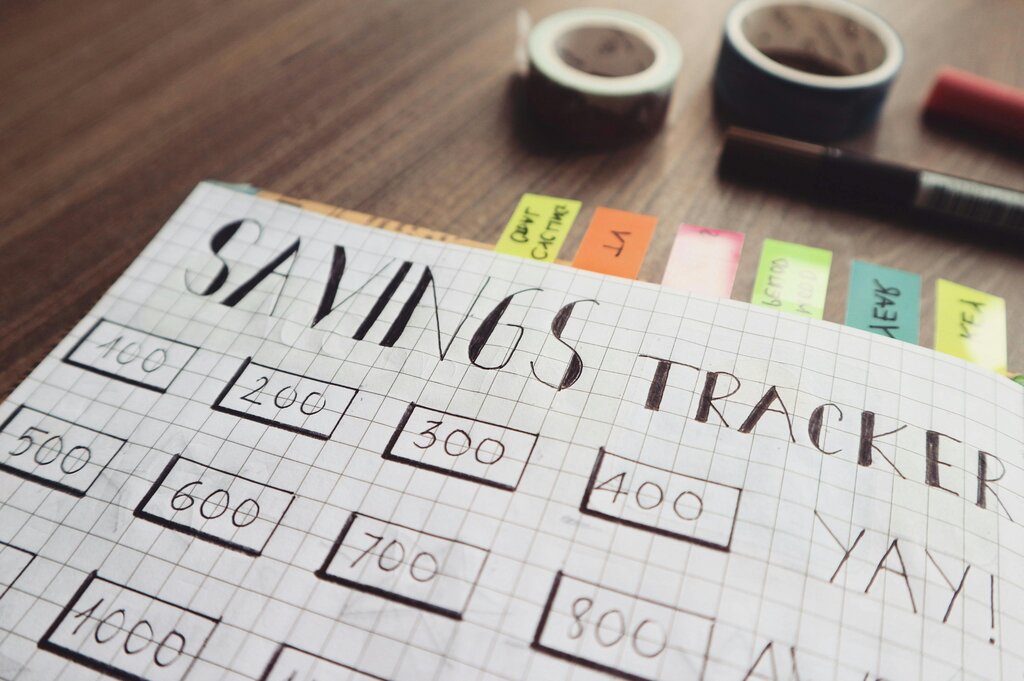
At the end of the month, add it all up and categorize your purchases. You’ll likely be surprised by what you find. Maybe you're spending more on takeout than you realized, or perhaps a few small daily purchases are adding up to a significant amount. This isn't about making you feel guilty; it's about giving you data. Once you see the patterns, you can make informed decisions about your spending and build a budget that truly works for you.
When creating a personal budget, which figure from your paycheck should you use as the amount you have available to spend or save?
Which of the following is the best example of a fixed expense?