Budgeting for Your Down Payment
Understanding Personal Finance
Know Where Your Money Goes
Getting a handle on your finances starts with a simple question: Where is your money actually going? It's easy to lose track. A coffee here, a subscription there, and suddenly your bank account is lower than you expected. The first step toward any financial goal is to see your habits clearly.
This isn't about judging your spending. It's about gathering information. For one month, track every dollar you spend. You can use a dedicated app, a spreadsheet, or just a small notebook. The tool doesn't matter. What matters is honesty. Write down everything, from your rent payment to that pack of gum you bought at the gas station.

At the same time, track your income. For most people, this is just their regular paycheck. But if you have side hustles or other income sources, be sure to include them. At the end of the month, you'll have a clear picture of what came in and what went out. This is the foundation for everything else.
Fixed vs. Variable Expenses
Once you've tracked your spending, you can sort it into two simple categories: fixed and variable. This distinction is the key to creating a budget that works.
Fixed expenses are the same amount every month. They are predictable and consistent. Think of things like your rent or mortgage, car payment, or a student loan payment. These are usually your biggest financial commitments.
Variable expenses change from month to month. This category includes things like groceries, gas for your car, entertainment, and dining out. You have more control over these costs.
| Fixed Expenses | Variable Expenses |
|---|---|
| Rent / Mortgage | Groceries |
| Car Payment | Utilities (Gas/Electric) |
| Insurance Premiums | Gasoline |
| Loan Payments | Dining Out |
| Subscription Services | Entertainment |
| Cell Phone Bill (if flat) | Shopping |
Why does this matter? Because your power to save and make changes lies in your variable expenses. You can't easily change your rent payment, but you can decide to cook at home more often to lower your dining out costs. Knowing where you have flexibility is essential for creating a budget and freeing up cash for your goals.
Your Financial Safety Net
Life is unpredictable. A car breaks down, a pet gets sick, or you unexpectedly lose your job. An emergency fund is money set aside specifically for these kinds of surprises. It's a buffer between you and a financial disaster, preventing you from having to go into debt to cover an unexpected cost.
Think of an emergency fund as your personal financial fire extinguisher. You hope you never need it, but you'll be incredibly glad it's there if you do.
Most experts recommend saving 3 to 6 months' worth of essential living expenses. That sounds like a lot, and it is. Don't let the big number discourage you. The most important thing is to start.
Begin by saving a small, achievable amount, like $500 or $1,000. Put this money in a separate savings account so you're not tempted to spend it. Once you hit that first goal, you can work on building it up over time. Any amount is better than nothing.
Taming Your Debt
Debt can feel like a huge weight holding you back from your goals. High-interest debt, like from credit cards or personal loans, is particularly damaging because it grows so quickly. A portion of your payment goes to interest instead of reducing what you actually owe, making it harder to get ahead.
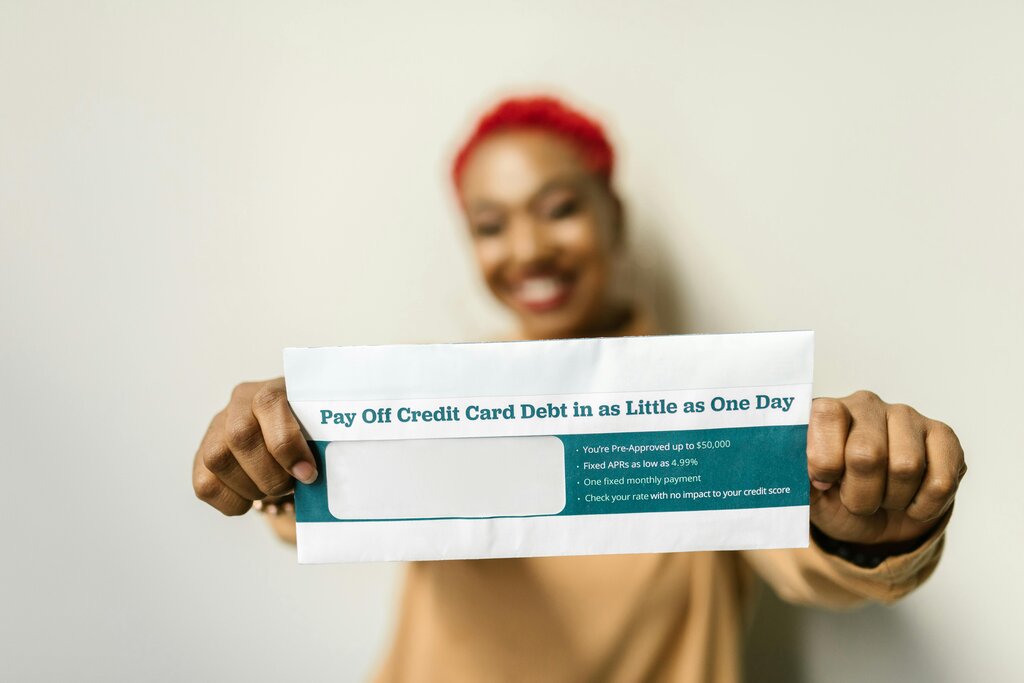
Managing debt is about having a plan. Two popular strategies are the debt snowball and the debt avalanche.
With the debt snowball, you list your debts from the smallest balance to the largest. You make minimum payments on everything except the smallest debt, which you attack with any extra money you have. Once it's paid off, you roll that payment amount into the next-smallest debt. This method gives you quick wins and builds momentum.
With the debt avalanche, you list your debts by interest rate, from highest to lowest. You make minimum payments on all debts but focus on paying off the one with the highest interest rate first. This method saves you the most money on interest over time, though it might take longer to get your first win.
| Method | Strategy | Best For... |
|---|---|---|
| Debt Snowball | Pay off smallest balance first | Building psychological momentum |
| Debt Avalanche | Pay off highest interest rate first | Saving the most money on interest |
Neither method is universally better. The best plan is the one you can stick with. The key is to be consistent and make more than the minimum payments whenever possible.
What is the primary goal of tracking all your income and expenses for one full month?
Which of the following is considered a variable expense?
These concepts are the building blocks of a solid financial life. By understanding where your money goes, preparing for emergencies, and managing debt, you can start building a budget that helps you reach your goals.