Budgeting for Your Down Payment
Understanding Personal Finance
What is Personal Finance?
Personal finance is simply the management of your money. It covers how you earn, save, spend, and invest your financial resources to achieve your goals. Think of it less as a complex subject for experts and more as a practical skill for everyday life. It’s about making conscious decisions with your money, whether that’s buying groceries, saving for a vacation, or planning for retirement.
Having a good handle on your finances isn't about becoming wealthy overnight. It's about gaining control, reducing stress, and building a life that aligns with your values. When you understand your financial situation, you're better equipped to handle unexpected events, like a car repair or a medical bill, without derailing your long-term plans.
The Power of Financial Literacy
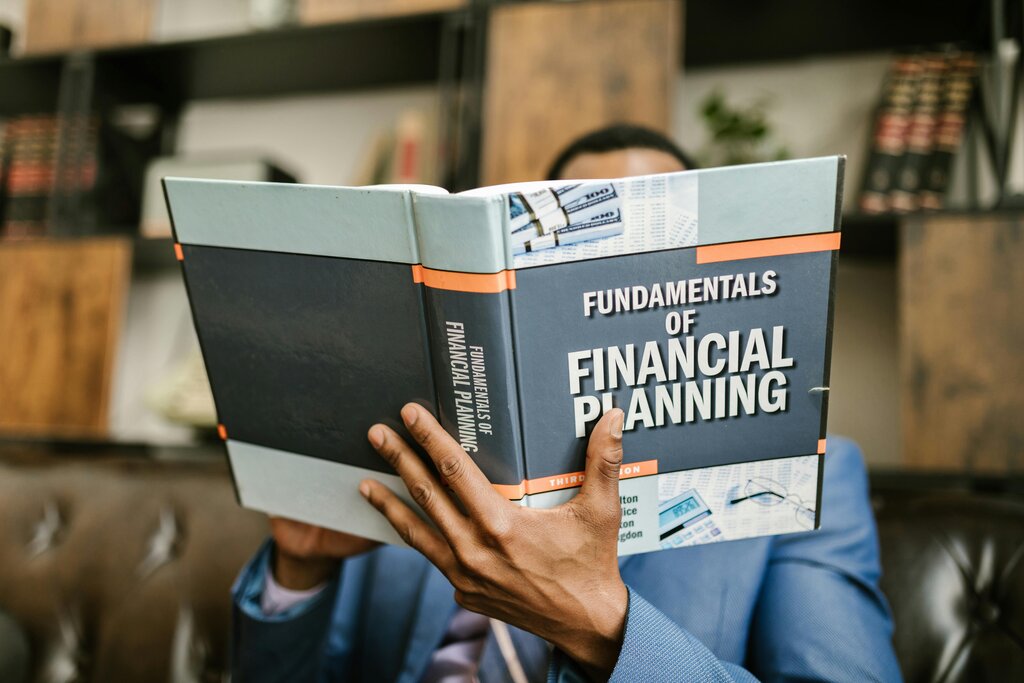
Financial literacy is the knowledge and confidence to make informed financial decisions. It’s the foundation upon which good personal finance is built. Without it, navigating the world of banking, credit, and investments can feel overwhelming.
Being financially literate means you understand the consequences of your choices. You can compare different savings accounts, grasp how credit card interest works, and recognize a good financial opportunity when you see one. This knowledge empowers you to ask the right questions and avoid common pitfalls, turning your financial goals from vague dreams into achievable targets.
Start the process by setting small, actionable goals to help you build financial literacy: research a retirement plan that suits your outlook, schedule time on your calendar to devote to educating yourself and discuss savings strategies with others.
Income and Expenses
At its core, managing your money comes down to understanding two things: what’s coming in and what’s going out. Your income is all the money you receive, most commonly from a salary or wages. It can also include earnings from freelance work, a side business, or other sources.
Expenses are everything you spend money on. To make sense of them, it helps to group them into categories. This practice reveals where your money is actually going, which is often surprising. Common expense categories include:
| Category | Examples |
|---|---|
| Housing | Rent or mortgage, utilities, property taxes |
| Transportation | Car payment, insurance, gas, public transit |
| Food | Groceries, dining out, coffee shops |
| Personal Care | Haircuts, toiletries, gym membership |
| Debt Payments | Student loans, credit card payments |
| Entertainment | Subscriptions, movies, hobbies, travel |
Some expenses are fixed, meaning they cost the same amount each month, like rent. Others are variable, changing from month to month, like your grocery bill or how much you spend on gas. Knowing the difference is key to planning ahead.
The Role of Budgeting
Budgeting often gets a bad rap. People think it’s about restriction and cutting out all the fun from life. But a budget is simply a plan for your money. It's a tool that helps you direct your income toward your most important goals. It provides clarity and puts you in the driver’s seat of your financial life.
Instead of wondering where your money went at the end of the month, a budget gives you a clear picture. It helps you see if your spending aligns with your priorities. Maybe you want to travel more, save for a down payment, or pay off debt. A budget is the roadmap that shows you how to get there.
A budget doesn’t limit your freedom; it gives you freedom. It’s a plan to make your goals a reality.
With this foundation, you have the essential concepts needed to start taking control of your financial future. Understanding these basics is the first and most important step.