Budgeting for Your Down Payment
Understanding Personal Finance
What Is Personal Finance?
Personal finance is simply the way you manage your money. It covers how you earn, save, spend, and invest. It's not about complex charts or Wall Street jargon. It’s about making conscious decisions with your money to build the life you want, whether that means saving for a down payment on a house, planning for retirement, or just feeling more secure day-to-day.
Think of it as creating a roadmap for your money. Without a map, you might wander aimlessly. With one, you can navigate toward your goals efficiently. The first step in drawing that map is understanding where you are right now.
Know Your Numbers
To manage your money effectively, you need to know exactly how much is coming in and where it’s going. This starts with two key components: income and expenses.
Income is any money you receive. For most people, this is a paycheck from a job. But it can also include earnings from a side hustle, freelance work, or any other source.
Expenses are everything you spend money on. These can be broken down into two main types:
- Fixed Expenses: These costs are consistent and predictable each month. Think of rent or a mortgage, car payments, and insurance premiums. You know exactly how much they'll be and when they're due.
- Variable Expenses: These costs change from month to month. This category includes things like groceries, gas, dining out, and entertainment. They're often the easiest places to make adjustments when you're trying to save.
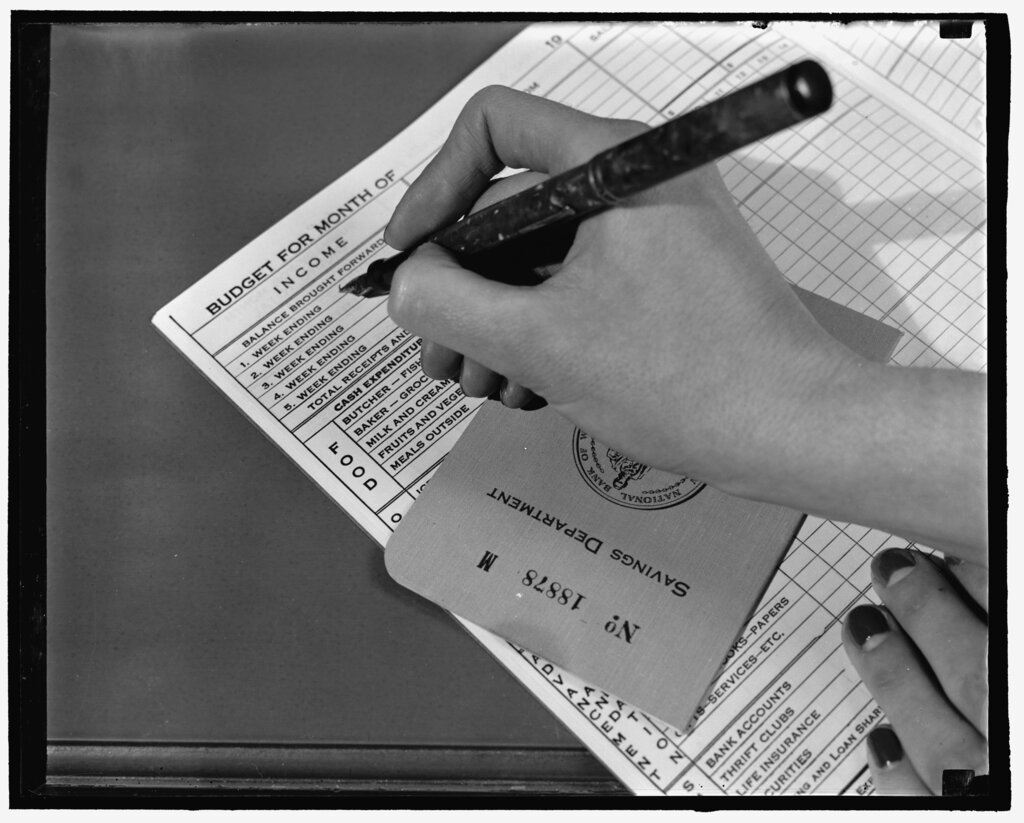
The only way to get a true picture of your finances is to track everything for a month or two. Use a notebook, a spreadsheet, or a budgeting app. The tool doesn't matter as much as the habit. You might be surprised to see where your money is actually going. That daily coffee or subscription service you forgot about can add up.
Knowing where your money goes is the first step to telling it where to go instead.
Becoming Financially Literate
Once you understand your own financial picture, you can start building your financial literacy. This isn't about becoming an expert overnight. It's about learning the basic principles that empower you to make smart choices.
Financial Literacy
noun
The ability to understand and effectively use various financial skills, including personal financial management, budgeting, and investing.
Financial literacy helps you understand concepts like interest, how credit works, and why saving early is so powerful. It gives you the confidence to create a budget that works for you, rather than just following a generic template. One of the most popular starting points for budgeting is a simple, memorable guideline.
One of the foundational principles in budgeting is the 50/30/20 rule, which suggests allocating 50% of your income to necessities, 30% to wants, and 20% to savings and debt repayment.
This rule provides a simple framework to guide your spending and saving. Let's break it down:
- 50% for Needs: Half of your take-home pay goes toward essentials. This includes housing, utilities, transportation, and groceries.
- 30% for Wants: This portion is for lifestyle choices—things that make life more enjoyable but aren't strictly necessary. Think dining out, hobbies, and vacations.
- 20% for Savings & Debt: The final 20% is for your financial goals. This is where you'll build your down payment, pay off debt, and save for the future.
This isn't a rigid law, but a flexible guide. If your 'Needs' take up more than 50%, you might need to reduce your 'Wants' to hit that 20% savings goal. The point is to be intentional with your money, which is the core of personal finance.
What is the primary purpose of personal finance, as described in the text?
Which of the following is the best example of a fixed expense?
By understanding where your money comes from and where it goes, you've taken the most important step in your financial journey. You now have the foundational knowledge to start building a budget that will help you reach your goal of buying a home.