Budgeting for Your Down Payment
Understanding Personal Budgets
What is a Budget?
A budget is simply a plan for your money. It's a way to see how much money you have coming in and decide how you'll spend it. Think of it as a roadmap for your finances. Without a map, you might wander aimlessly. With one, you can steer your money toward the things that matter most to you, whether that's saving for a house, paying off debt, or just feeling more secure.
A budget gives every dollar a job. It puts you in the driver's seat of your financial life.
The goal isn't to restrict you from spending. It’s to make sure you're spending on what's truly important and that your essential costs are covered first. It brings clarity and intention to your financial habits.
The Building Blocks of a Budget
Every budget, no matter how simple or complex, is made up of the same basic parts. Understanding these components is the first step to creating a plan that works for you.
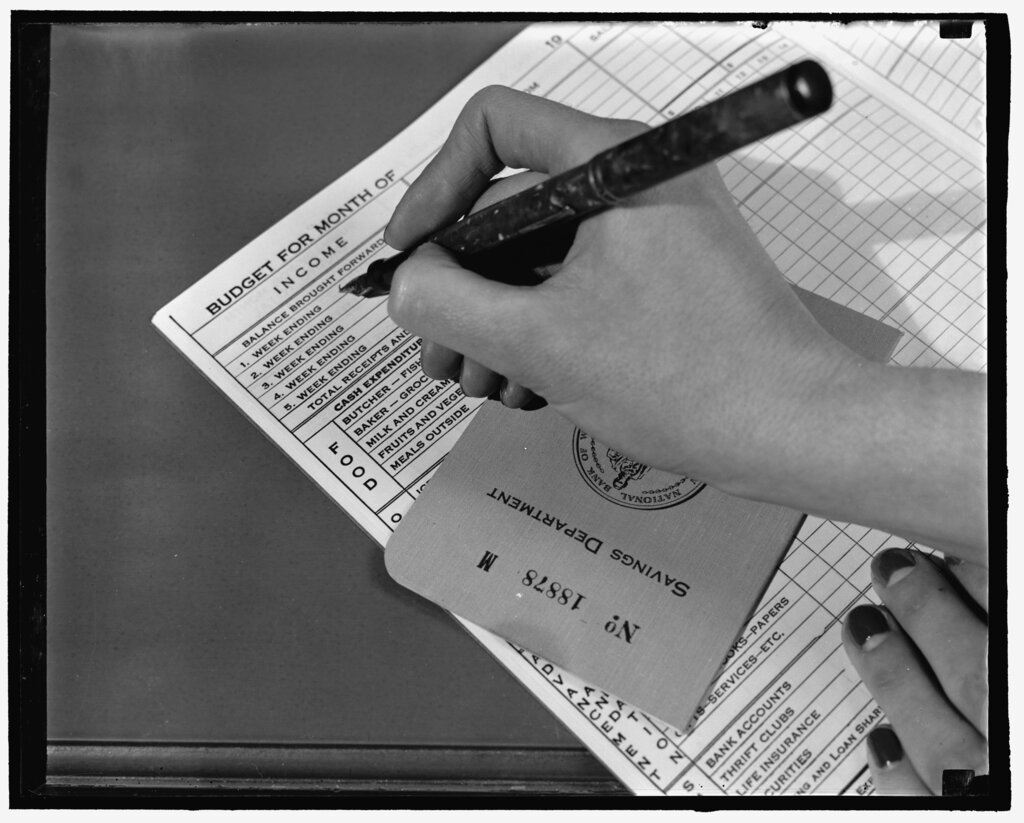
Your budget will balance your income—all the money you earn—against your expenses, which is all the money you spend. Expenses can be broken down into a few key types:
| Category | Description | Examples |
|---|---|---|
| Income | Money you receive regularly. | Paycheck, freelance earnings, side hustle income. |
| Fixed Expenses | Costs that are the same each month. | Rent/mortgage, car payment, insurance premiums. |
| Variable Expenses | Costs that change from month to month. | Groceries, gas, entertainment, dining out. |
| Savings & Goals | Money set aside for the future. | Emergency fund, retirement, down payment, debt repayment. |
By tracking these categories, you get a clear picture of where your money is going. This awareness is powerful. It allows you to see if your spending aligns with your values and goals.
Popular Budgeting Methods
There's no single "best" way to budget. The right method is the one you can stick with. Here are a couple of popular approaches to consider.
One of the foundational principles in budgeting is the 50/30/20 rule, which suggests allocating 50% of your income to necessities, 30% to wants, and 20% to savings and debt repayment.
The 50/30/20 Rule is a straightforward guideline for beginners. It divides your after-tax income into three buckets:
- 50% for Needs: Covers your essential living expenses like housing, utilities, transportation, and groceries.
- 30% for Wants: This is for lifestyle choices—things you enjoy but could live without, like hobbies, dining out, or vacations.
- 20% for Savings & Debt: This portion goes toward financial goals, such as building an emergency fund, saving for retirement, or paying down high-interest debt.
Another common approach is Zero-Based Budgeting. This method is more hands-on. The idea is to assign a job to every single dollar you earn. Your income minus your expenses should equal zero at the end of the month.
This doesn't mean you spend everything. "Expenses" in this system include your savings, investments, and debt payments. You're simply planning where every dollar will go ahead of time, leaving no money unassigned. This method requires more detail but gives you maximum control over your finances.
With zero-based budgeting, your income minus your expenses (including savings) equals zero. Every dollar has a purpose.
Choosing a method depends on your personality. If you want simplicity, the 50/30/20 rule is a great starting point. If you prefer detailed control, zero-based budgeting might be a better fit.
Ready to check your understanding?
What is the primary purpose of creating a budget?
According to the 50/30/20 budgeting rule, which category would your monthly rent or mortgage payment fall into?
Understanding these core concepts is the first step toward building a solid financial foundation. A budget is a tool, and now you know what it's made of and the different forms it can take.