Budgeting for a Down Payment
Understanding Personal Finance
Getting Started with Personal Finance
Managing your money doesn't need to be complicated. At its core, personal finance is simply about understanding what you earn, what you spend, and making conscious choices to reach your goals. Whether you're saving for a down payment on a house or just want to feel more in control, it all starts with these fundamentals.
Think of it as building a foundation. Before you can construct a house, you need a solid base. The same is true for your finances. Mastering these basics will give you the stability and confidence to build a secure financial future.
Know Your Income
The first step is knowing exactly how much money you have coming in. This is your income. For most people, this is a salary from a job, but it can also include earnings from a side hustle, freelance work, or other sources.
It's important to distinguish between your gross pay (the total amount your employer pays you) and your net pay (what you actually take home after taxes and other deductions). Your budget should always be based on your net income, because that's the money you truly have available to spend or save.
Net Income
noun
The amount of money you receive after taxes and other deductions, like health insurance or retirement contributions, are taken out of your gross pay. This is also called take-home pay.
If your income varies from month to month, like a freelancer's or a server's, look at your earnings over the past six to twelve months. Calculate a monthly average to use as a baseline for your budget. It's often wise to budget based on your lowest-earning month to ensure you can always cover your essential costs.
Track Your Expenses
Once you know what's coming in, you need to find out where it's going. Tracking your expenses is the single most effective way to understand your spending habits. It's an eye-opening exercise that reveals exactly how much you spend on everything from coffee to car insurance.
Start by categorizing your expenses. A simple way to do this is to separate them into two groups: fixed and variable.
Fixed expenses are consistent costs that don't change much from month to month, like your rent. Variable expenses fluctuate depending on your usage or choices, like your grocery bill.
| Fixed Expenses | Variable Expenses |
|---|---|
| Rent or Mortgage | Groceries |
| Car Payment | Gas/Transportation |
| Insurance Premiums | Utilities (can vary) |
| Subscriptions (Netflix, etc.) | Dining Out & Entertainment |
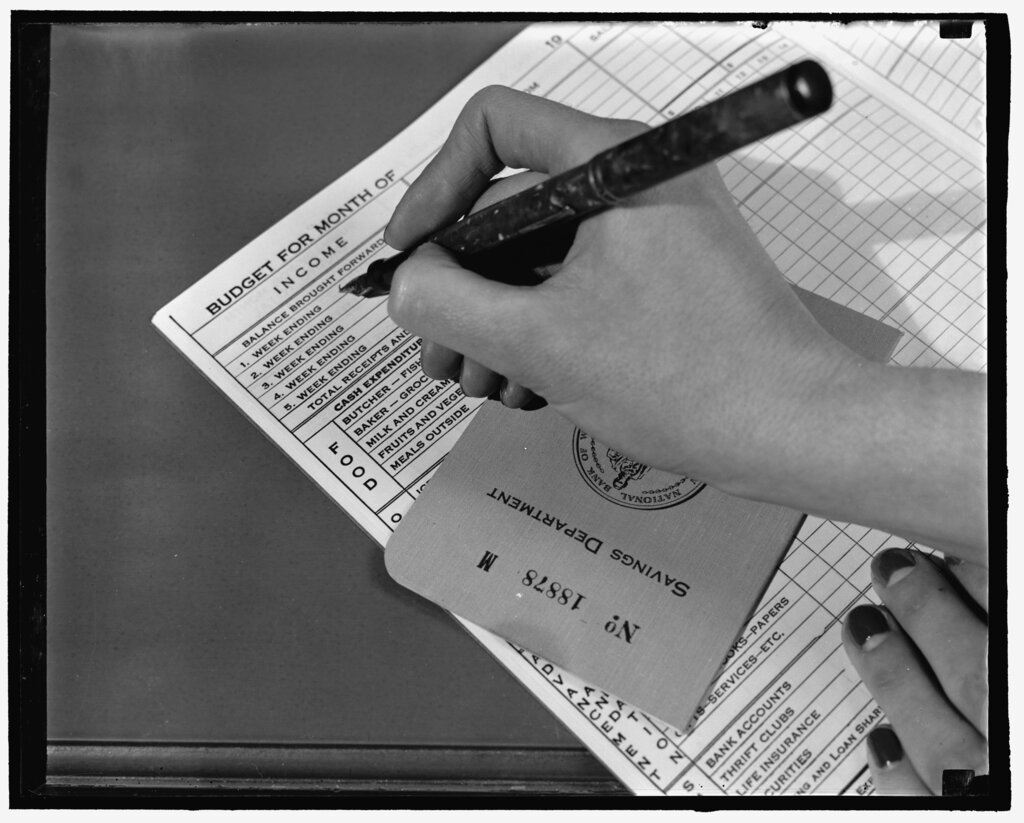
You don't need fancy software. You can track your spending with a dedicated app, a simple spreadsheet, or even a physical notebook. The tool doesn't matter as much as the habit. Try to record your purchases daily for at least one month to get a clear picture of your financial life.
Why Financial Literacy Matters
Understanding your income and tracking your expenses are the first two pillars of financial literacy. This isn't about memorizing stock market terms; it's about having the knowledge and skills to make smart decisions with your money. When you know where your money comes from and where it goes, you are in control.
This control is the foundation of financial planning. It allows you to create a realistic budget, set achievable savings goals, and build the life you want. Without this basic understanding, it's nearly impossible to make meaningful progress toward long-term goals like saving for a major purchase.
Create a personalized budget to track spending, set monthly spending goals, and stay in control of everyday finances.
Now that you understand these core concepts, let's test your knowledge.
When creating a personal budget, which type of income should you base your calculations on?
If you work as a freelancer and your income changes each month, what is a wise strategy for creating a budget?