Budgeting for a Down Payment
Understanding Personal Finance
The Building Blocks of Your Money
Personal finance is simply the way you manage your money. It’s about understanding what you earn, what you spend, and what you do with the rest. Think of it like building a house. Before you can design the rooms, you need a solid foundation. This foundation consists of four key parts: income, expenses, savings, and debt.
Where Your Money Comes From
Your income is all the money that flows into your bank account. For most people, the primary source is a salary from a full-time job. This is often called earned income because you trade your time and skills for it.
But income can come from many places. You might have a side hustle, like driving for a ride-share service or selling crafts online. You could earn money from investments, such as interest from a savings account or dividends from stocks. Other sources might include gifts, rental income from a property, or government benefits.
| Income Type | Example |
|---|---|
| Earned Income | Salary from a job, tips, freelance work |
| Portfolio Income | Stock dividends, interest from savings |
| Passive Income | Rent from a property, royalties from a book |
| Non-recurring | A cash gift, an inheritance |
Knowing all your income streams helps you see the full picture of the money you have available.
Where Your Money Goes
Expenses are everything you spend money on, from your morning coffee to your monthly rent. To get a handle on your finances, it’s helpful to split them into two categories: fixed and variable.
Fixed Expense
noun
A cost that stays the same from month to month, making it predictable and easy to plan for.
Common fixed expenses include:
- Rent or mortgage payments
- Car loan payments
- Insurance premiums (health, auto, renters)
- Phone and internet bills
- Subscription services (like streaming platforms or gym memberships)
These costs are regular and consistent, forming the baseline of your monthly spending.
Variable Expense
noun
A cost that changes from month to month depending on your usage, needs, and choices.
Variable expenses are more flexible, but they can also be harder to predict. Examples include:
- Groceries and dining out
- Gasoline and public transportation
- Entertainment and hobbies
- Utilities (like electricity and water, which can fluctuate)
- Shopping for clothes or household items
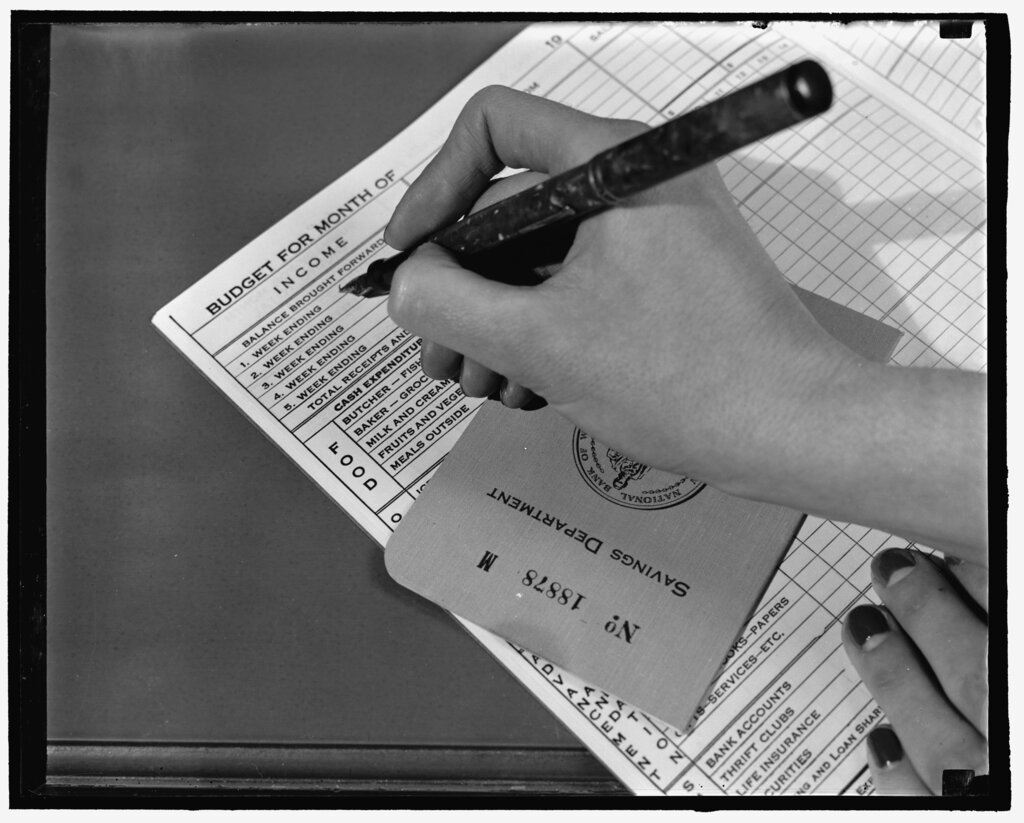
Understanding the difference between fixed and variable expenses is the first step toward controlling where your money goes.
The Importance of Saving
Savings is the money you set aside instead of spending. It’s not just leftover cash; it's a crucial tool for financial health and security. There are two main reasons to save.
First, saving creates a financial safety net. An emergency fund is money reserved for unexpected life events, like a sudden job loss, a medical bill, or an urgent home repair. Without this cushion, a surprise expense could force you into debt.
Second, saving helps you reach future goals. Whether you want to buy a car, make a down payment on a house, pay for education, or travel, you’ll need to save for it. Putting money aside regularly turns big aspirations into achievable targets.

Managing Debt Effectively
Debt is money you owe to someone else. It can range from a credit card balance to a student loan or a mortgage. While some debt can be a useful tool (like a mortgage to buy a home), unmanaged debt can become a major financial burden.
Effective debt management starts with understanding how interest works. Interest is the cost of borrowing money. High-interest debt, like that from credit cards or payday loans, can grow quickly and become difficult to pay off.
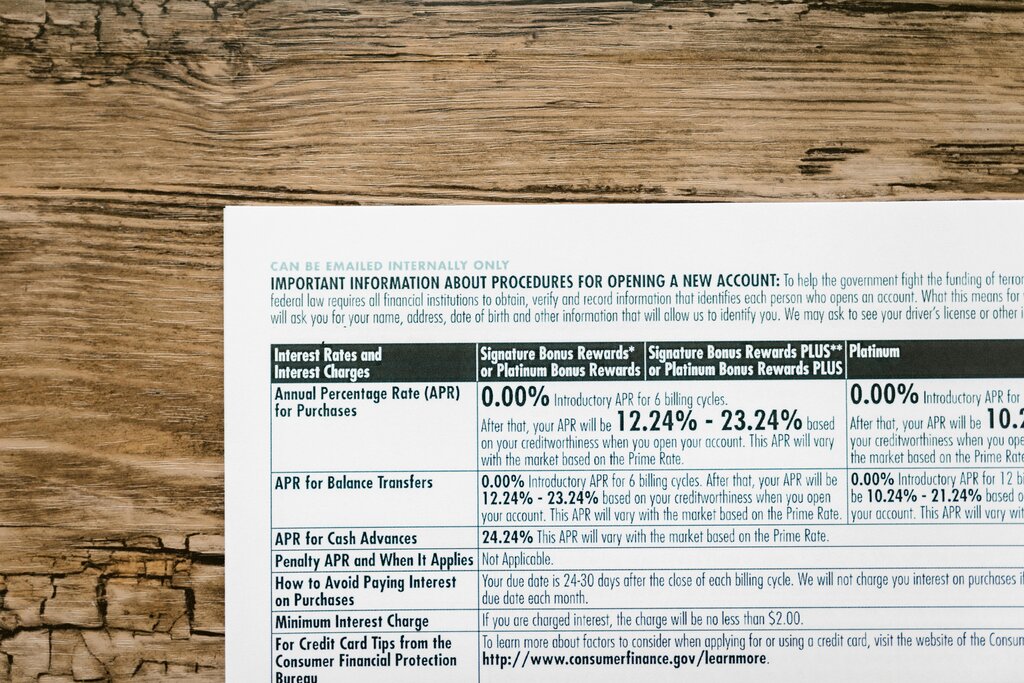
A common strategy for managing debt is to focus on paying down high-interest balances first while making minimum payments on everything else. This approach, sometimes called the debt avalanche method, can save you the most money in interest over time.
Another approach is the debt snowball, where you pay off the smallest debts first to build momentum. The best strategy depends on your personality and financial situation. The most important thing is to have a plan and stick to it.
The most effective approach is to focus on establishing and maintaining healthy financial habits, like making all your payments on time and keeping your balances low.
With a clear view of your income, expenses, savings, and debt, you have the foundation you need to take control of your financial future.