Budgetary Control for Production Excellence
Budgetary Control Fundamentals
What Is Budgetary Control?
Think of a budget as a financial road map for a business. It sets out the expected income and expenses over a certain period. Budgetary control is the process of using that map to guide the journey. It's not just about creating the budget; it's about constantly comparing the actual results with the planned figures and making adjustments along the way.
In short, budgetary control is the process of making a plan and then checking to see if you're sticking to it.
This process ensures that a company's financial goals are guiding its day-to-day activities. When a department spends more than planned, budgetary control flags the issue so managers can figure out why and what to do next. It turns the budget from a static document into an active management tool.
The Objectives of Budgeting
Why do organizations put so much effort into this? Budgetary control serves several key purposes:
- Planning: It forces managers to think ahead and set clear targets for revenue, expenses, and production output. This proactive approach helps anticipate challenges before they arise.
- Coordination: A budget gets everyone on the same page. The production team knows how much they can spend on materials, and the sales team knows the revenue targets they need to hit. It aligns the actions of different departments toward a common goal.
- Control: This is the heart of the process. By comparing actual performance against the budget, managers can monitor activities, identify problems, and take corrective action. It's the mechanism for keeping the company on track.
By employing techniques such as Zero-Based Budgeting (ZBB), Activity-Based Budgeting (ABB), and Performance-Based Budgeting (PBB), higher education institutions can ensure that resources are allocated to areas that directly support their strategic goals.
Budgeting on the Factory Floor
In a production setting, budgetary control is essential. Manufacturing involves many moving parts and costs, from raw materials to labor and electricity. A budget provides the financial guardrails to keep this complex system efficient and profitable.
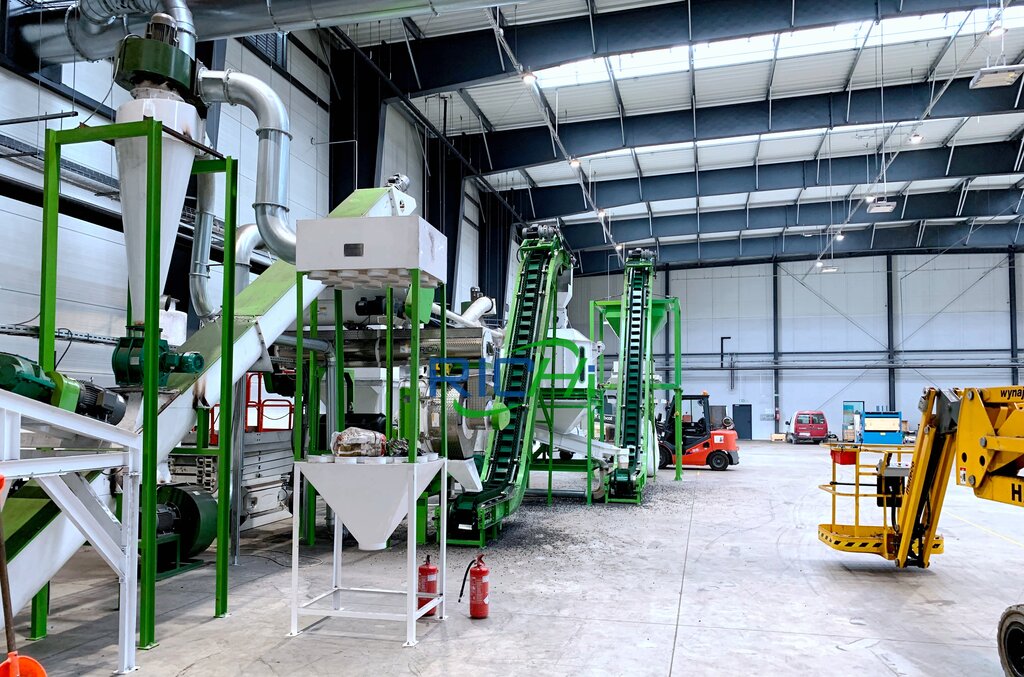
One of its main roles is resource allocation. The production budget specifies how much money is available for materials, staffing, and overhead. A manager can't simply order the highest quality materials or hire extra staff without considering the financial plan. This ensures that resources are used wisely and in line with the company's overall strategy.
Budgetary control is also a critical tool for performance evaluation. How do you know if a factory floor is running efficiently? By comparing its actual costs to the budgeted costs. If the department spends less than budgeted while meeting quality standards, it's a sign of high performance. If it consistently goes over budget, it signals a problem that needs investigation.
| Cost Category | Budgeted Cost | Actual Cost | Variance |
|---|---|---|---|
| Raw Materials | $50,000 | $52,000 | $2,000 Over |
| Direct Labor | $30,000 | $29,000 | $1,000 Under |
| Overhead | $15,000 | $16,000 | $1,000 Over |
This comparison, known as variance analysis, helps managers pinpoint exactly where things are going right or wrong. It shifts the focus from guessing to data-driven decision making. For example, the table above shows that while labor costs were well-managed, something caused material and overhead costs to be higher than planned. This gives managers a specific area to investigate.
Ultimately, this continuous cycle of planning, acting, and reviewing empowers managers to make smarter strategic decisions. It provides the financial clarity needed to run a production operation effectively and steer it toward its long-term goals.
Ready to check your understanding?
What is the primary function of budgetary control?
In a manufacturing environment, budgetary control is essential for performance evaluation. How is this typically done?
By mastering these fundamentals, you can see how a budget is much more than a simple accounting exercise. It's a vital tool for managing production and achieving organizational success.