Budget Podcast Setup For Beginners
Podcasting Basics
What is a Podcast?
At its heart, a podcast is like a radio show that you can listen to whenever you want. The name itself is a mashup of "iPod" and "broadcast," which hints at its origins in the early 2000s. Unlike live radio, podcasts are pre-recorded audio files, usually released as a series of episodes. You can download them or stream them from the internet directly to your phone or computer.
Think of it like a TV series for your ears. Each episode can be a standalone story or part of a larger, ongoing narrative. You subscribe to a show, and new episodes automatically appear in your podcast app, ready for your commute, workout, or quiet evening at home.
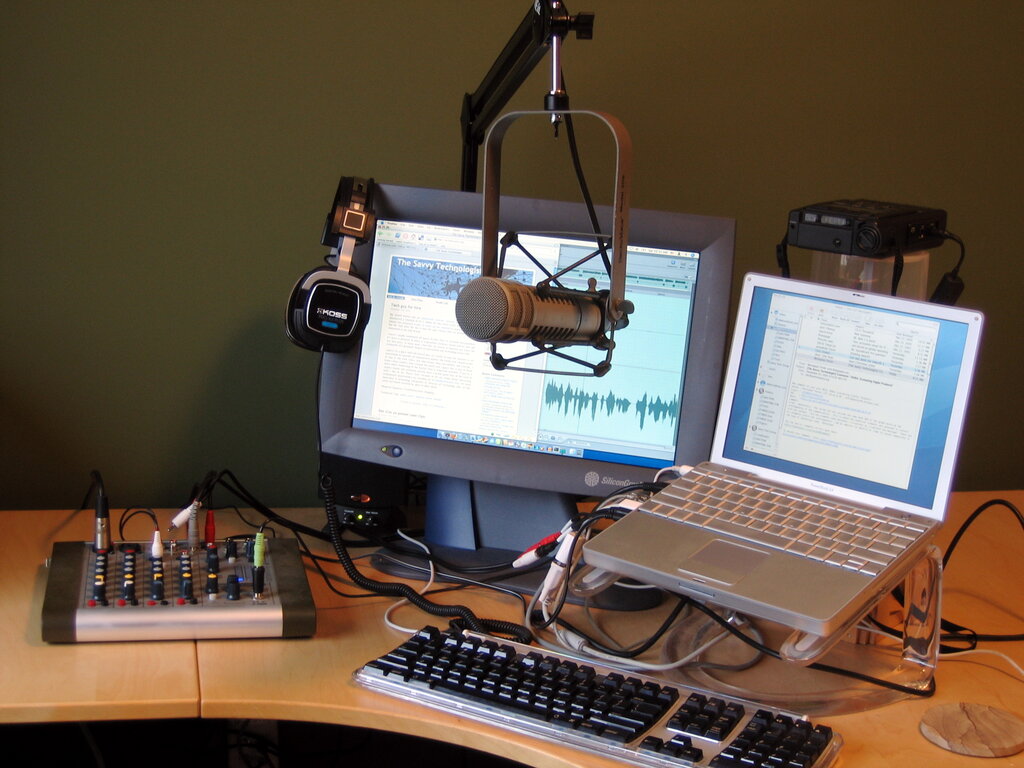
This on-demand nature is what makes podcasting so powerful. It allows creators to find and connect with niche audiences all over the world who share a specific interest, whether it's ancient history, video games, or urban gardening.
Common Podcast Formats
Just like movies have genres, podcasts have formats. The format you choose shapes the listener's experience and helps you deliver your message effectively. While there are countless variations, most podcasts fall into a few main categories.
| Format | Description | Great For... |
|---|---|---|
| Interview | A host (or co-hosts) interviews a different guest each episode. | Getting expert opinions, hearing diverse stories, and learning from others' experiences. |
| Solo / Monologue | A single host speaks directly to the audience. | Sharing personal expertise, telling stories, commentary, and building a strong connection with listeners. |
| Narrative | A highly edited and produced show that tells a single story over an episode or a full season. | Investigative journalism, historical deep dives, fiction, and creating an immersive audio world. |
| Panel / Co-hosted | A group of hosts discusses a topic. | Lively debates, sharing different viewpoints, and creating a fun, conversational dynamic. |
An interview show brings new perspectives with every guest. A solo show allows for a deep, personal connection between the host and the listener. Narrative podcasts, like Serial or This American Life, often use sound effects and music to weave compelling, movie-like stories. And panel shows feel like you're sitting in on a fun and insightful conversation between friends.
The Pillars of a Great Podcast
No matter which format you choose, every successful podcast is built on three essential pillars. Getting these right is more important than having the most expensive microphone.
1. Content: What is your show about? Your content is the core of your podcast. It's your topic, your unique perspective, and the value you provide to your listeners. Is your show funny, educational, inspiring, or a mix? Great content comes from passion and expertise. It's about finding a subject you can talk about endlessly and in a way that keeps people engaged.
2. Audience: Who are you talking to? You aren't podcasting into a void. You're speaking to a specific person. Before you record, picture your ideal listener. What are their interests? What do they want to learn or feel? Understanding your audience helps you tailor your content, tone, and language to connect with them directly.
3. Consistency: When can people hear from you? Consistency builds habits and trust. A podcast that releases a new episode every Tuesday morning becomes a reliable part of a listener's weekly routine. It doesn't matter if you publish daily, weekly, or monthly, as long as you stick to a predictable schedule. This keeps your audience engaged and coming back for more.
Focusing on great content for a specific audience and delivering it consistently is the fundamental recipe for podcasting success.
With these basics in mind, you have a solid foundation for understanding the podcasting world. It's a medium built on focused content, a clear audience, and a reliable schedule.