Budget Interior Design Mastery
Introduction to Budget Interior Design
Start with a Plan, Not a Cart
Great interior design doesn't start in a store. It begins with a thoughtful plan. A budget isn't a creative limitation; it's a tool that forces you to be resourceful and intentional. Instead of asking "what can I buy?", you'll start asking "what can I achieve?" This shift in perspective is the key to creating a space you love without overspending.
Crafting a realistic budget involves diligent research and strategic planning.
Your budget should be realistic. Think about what you can comfortably set aside for this project. It's not about picking a random number, but about understanding what's feasible for your finances. This number will guide your decisions and help you prioritize what truly matters.
Discover Your Style
Before you change anything, you need a vision. What's your personal style? Are you drawn to clean, simple lines (minimalist), or do you prefer a more eclectic, cozy vibe (bohemian)? Maybe you like the raw, unfinished look of industrial design.
Knowing your preferences prevents you from buying items that look good in the store but feel out of place in your home. It's the difference between a collection of random objects and a cohesive, personal space.
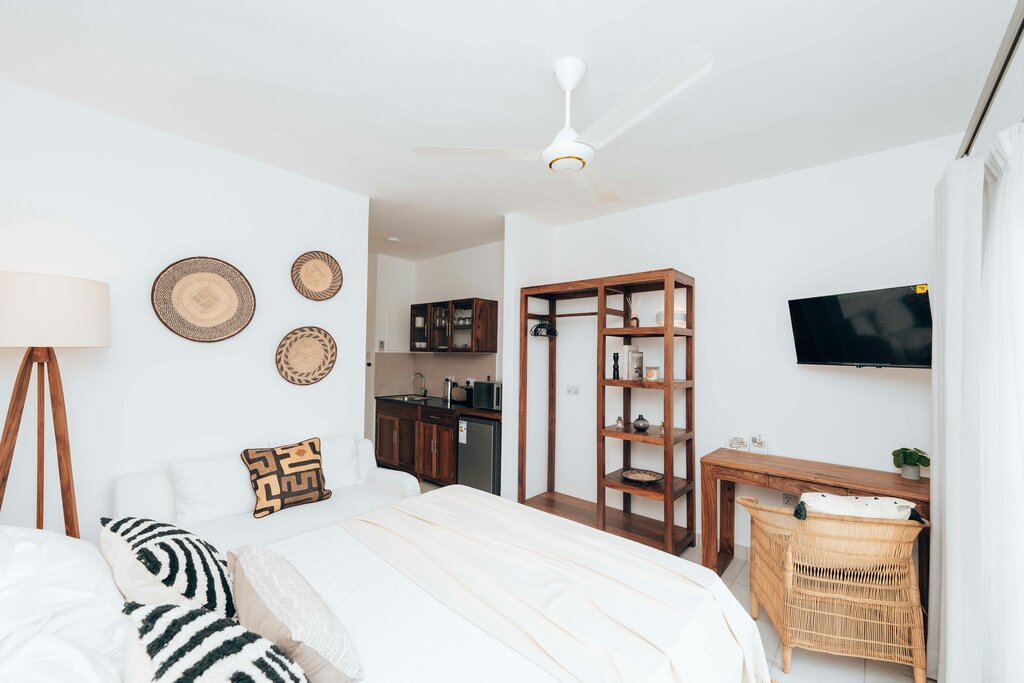
To find your style, look for inspiration everywhere. Browse websites like Pinterest, flip through magazines, or even look at your own closet. The colors and textures you're drawn to in your clothing often reflect the kind of environment you'll find comfortable and appealing. Save images that catch your eye and look for common themes.
Assess and Plan Your Space
Now, turn a critical eye to your current space. Don't just see the clutter; analyze the layout. How do you use the room? Does the furniture arrangement make sense? Is there a natural flow for walking, or do you have to navigate an obstacle course?
Take measurements of the room and your existing furniture. A simple sketch can reveal problems you might not notice day-to-day, like a couch that's too big for the wall or a walkway that's too narrow.
Planning isn't just about furniture. Consider lighting, storage, and how you want the room to feel. Is it a social hub or a quiet retreat? Your plan should reflect the room's purpose.
Good design is functional. A beautiful room that doesn't work for your lifestyle will only cause frustration.
Prioritize for Impact
With a limited budget, you can't do everything at once. The trick is to focus on changes that provide the most visual impact for the least amount of money.
Paint is a classic example. A fresh coat of paint can dramatically change the look and feel of a room for a relatively low cost. Other high-impact, low-cost areas include textiles (like pillows, curtains, and rugs), lighting fixtures, and decluttering. You might be surprised how much better your space looks simply by removing things rather than adding them.
Sustainable interior design is the thoughtful integration of eco-friendly materials and sustainable practices into the creation of interior spaces.
A budget-friendly approach and an eco-friendly one often go hand in hand. Instead of buying new, consider repurposing furniture you already own. A coat of paint or new hardware can give an old dresser a new life.
Shopping secondhand is another great option. Thrift stores and online marketplaces are full of unique, high-quality pieces at a fraction of the cost of new items. Also, consider energy-efficient choices, like LED light bulbs, which save money on your utility bills over time.
By focusing on a smart plan, understanding your style, and making impactful, sustainable choices, you can create a home that feels both personal and well-designed, no matter the size of your budget.
Ready to check your understanding? This quiz will cover the core ideas for planning your interior design project on a budget.
What is the primary role of a budget in an interior design project?
According to the principles discussed, what is the best first step after setting a budget?